
Views: 269 Author: iHot Cosmetics Publish Time: 2026-10-12 Origin: Site


Content Menu
● Understanding Post-Pregnancy Chloasma Before Choosing Skincare
● Whitening Cream vs Kojic Acid Serum for Fading Post-Pregnancy Chloasma: Key Differences
>> Why the Ingredient List Matters More Than the Product Name
● How Kojic Acid Works—and What the Evidence Actually Shows
● When a Brightening Cream May Be the Better Fit
● When a Kojic Acid Serum May Be Worth Considering
● Breastfeeding and Postpartum Skincare: A Separate Safety Decision
● The Essential Step Both Products Need: Sun Protection
>> A Manageable Evening Routine
● A Practical 8–12-Week Tracking Plan
● The OEM/ODM Perspective: What Brands Should Test Before Making Claims
>> Turning Genuine Customer Feedback Into Better Products
● Choose a Suitable Formula, Not a Stronger-Sounding Label
>> 1. Is kojic acid serum better than whitening cream for postpartum melasma?
>> 2. Will post-pregnancy chloasma disappear naturally?
>> 3. Can I use kojic acid while breastfeeding?
>> 4. Can I combine a brightening cream and kojic acid serum?
>> 5. How long should I wait before judging results?
>> 6. Do I still need sunscreen if I mostly stay indoors?
>> 7. Does GMP certification prove a product treats melasma?
At iHot Cosmetics, Guangzhou Aihuo Biotechnology Co., Ltd., we believe effective skincare starts with informed choices—not exaggerated promises. According to our company information, we bring more than 10 years of skincare, personal care, and hair care manufacturing experience, with a 70,000-square-meter ISO-certified facility, 15 automated production lines, a Class 100,000 cleanroom, and GMP-certified manufacturing. Our OEM/ODM solutions support more than 2,000 brands worldwide.
When comparing whitening cream vs kojic acid serum for fading post-pregnancy chloasma, the most important question is not which texture sounds stronger. It is which complete formula suits your skin, your breastfeeding status, and your daily routine.
The practical answer: a moisturizing brightening cream may suit dry or easily irritated skin, while a kojic acid serum may offer a targeted ingredient approach. Neither format automatically works better, and neither replaces consistent sun protection.
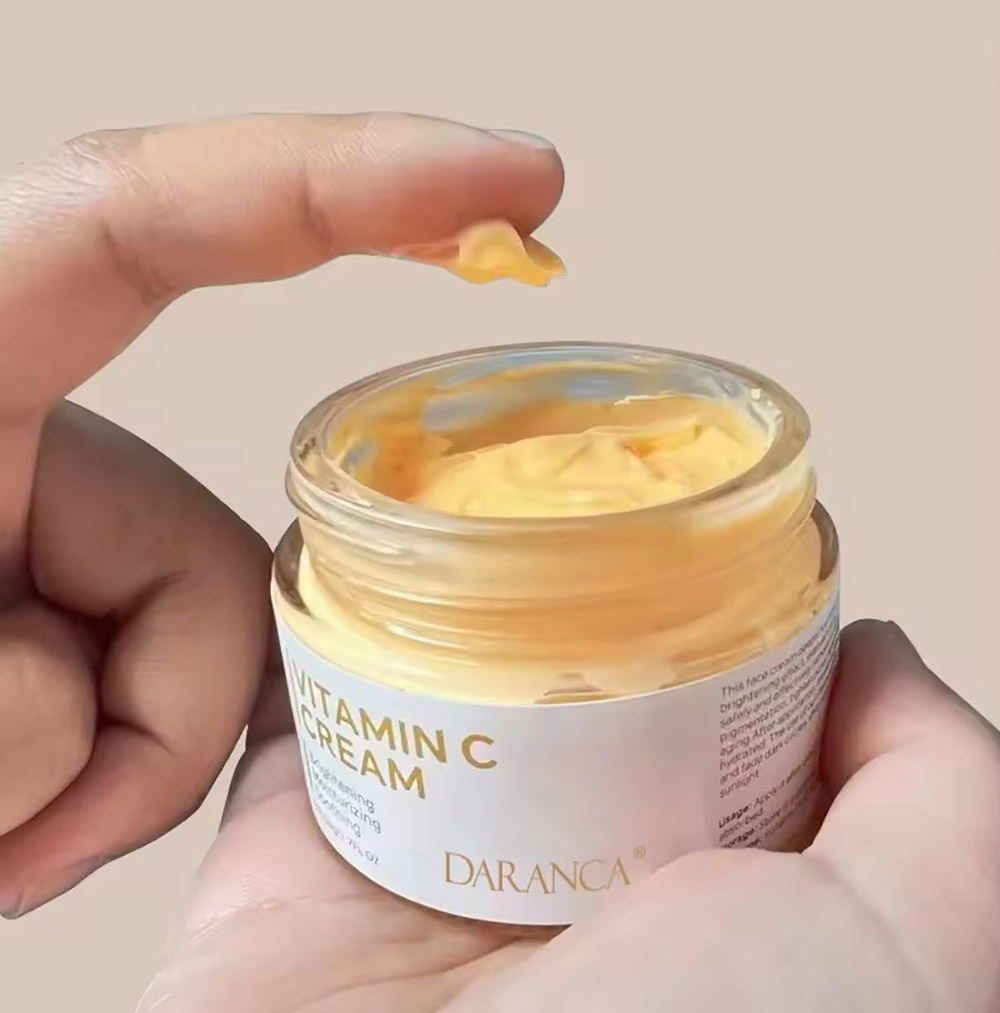
Chloasma is another name for melasma, often used when pigmentation appears during pregnancy. It typically produces brown or gray-brown patches on the cheeks, forehead, upper lip, or other facial areas.
Pregnancy-related hormonal changes can contribute to its development. Sun exposure and visible light can worsen pigmentation.
After delivery, some patches gradually fade as pregnancy-related triggers change. Others persist and require ongoing management. There is no reliable deadline that applies to everyone.
Importantly, not every postpartum dark spot is melasma. Acne-related marks, irritation, and other skin conditions can look similar. A dermatologist can confirm the diagnosis, particularly when pigmentation is changing, unusual, or difficult to identify.
The goal is to reduce uneven pigmentation while preserving healthy skin—not to change your natural skin color.
"Whitening cream" describes a marketed product category. "Kojic acid serum" identifies an ingredient and a product format. These are not directly equivalent categories: a brightening cream can also contain kojic acid.
| Comparison | Whitening or brightening cream | Kojic acid serum |
|---|---|---|
| What the name tells you | Intended cosmetic benefit and texture | Featured ingredient and texture |
| Possible ingredients | Niacinamide, vitamin C, kojic acid, or other brightening ingredients | Kojic acid, sometimes combined with other ingredients |
| Main practical advantage | Can combine moisturization and tone-evening care | Can provide a lightweight, targeted application step |
| Main limitation | The label does not establish effectiveness | The featured ingredient does not establish whole-formula effectiveness |
| Important safety question | What is in the complete formula? | What concentration, supporting ingredients, and directions are used? |
| Best basis for choosing | Skin needs, evidence, tolerability, and adherence | The same—not serum format alone |
A serum is not necessarily more concentrated, more absorbable, or more effective than a cream. Those properties depend on formulation and testing.
Two products labeled "whitening cream" may have completely different benefits and risks.
Likewise, two kojic acid serums may differ in concentration, fragrance, solvents, supporting ingredients, and packaging.
Compare the complete ingredient list and use instructions. Avoid choosing solely because a product promises "maximum strength," "instant whitening," or "permanent melasma removal."
Consistency matters more than adding multiple aggressive products at once.
Kojic acid inhibits tyrosinase, an enzyme involved in melanin production. This provides a scientific rationale for its use in products addressing uneven pigmentation.
Clinical research has evaluated kojic acid alone and in combination with other treatments. However, the evidence does not establish that every commercial kojic acid serum outperforms every brightening cream.
An important distinction is often lost in marketing: results from a combination containing kojic acid, hydroquinone, or a corticosteroid cannot be attributed to kojic acid alone.
Similarly, a study involving adults with melasma does not automatically establish safety or effectiveness specifically for breastfeeding mothers.
A 2025 comparative study evaluated 5% cysteamine cream and 2% kojic acid cream in people with melasma and reported comparable effectiveness.
That finding supports kojic acid as a potentially useful option. It does not prove that a kojic acid serum is superior to a cream, and it should not be presented as postpartum-specific evidence.
A broader systematic review of topical melasma treatments also highlights the value of photoprotection and the stronger evidence supporting certain medical treatments.
For consumers, the takeaway is straightforward: ingredient research is useful, but a finished product still needs its own substantiation.
A cream may be practical when your skin feels dry, tight, or uncomfortable, particularly if you want a simpler evening routine.
Depending on its formulation, it can combine moisturization with ingredients intended to improve the appearance of uneven tone.
Consider a cream when:
- You prefer fewer skincare steps.
- Your current routine leaves skin feeling dry.
- You need a texture that layers comfortably with sunscreen.
- A lightweight serum requires a separate moisturizer anyway.
However, a rich texture is not proof of gentleness. Fragrance, sensitizing ingredients, or an unsuitable active combination may still cause problems.
From a formulation perspective, a useful cream must balance skin feel, ingredient compatibility, stability, and realistic instructions—not simply include a long list of fashionable actives.
A kojic acid serum may appeal to someone who prefers a lightweight treatment step and already uses a suitable moisturizer.
It may also make it easier to introduce one targeted product rather than replacing an entire routine.
Before purchasing, check:
1. Whether the ingredient list clearly identifies kojic acid.
2. Whether the product provides understandable directions.
3. Whether the manufacturer supplies appropriate safety information.
4. Whether fragrance or other ingredients have previously irritated your skin.
5. Whether the claims describe gradual cosmetic improvement rather than a guaranteed cure.
More is not automatically better. Concentration must be considered alongside formulation, local regulatory requirements, and individual tolerability.
Kojic acid can cause irritation or contact dermatitis. A product that repeatedly stings, itches, or produces redness is not "working harder"; it may be unsuitable.
"After pregnancy" does not necessarily mean "no reproductive safety considerations." You may be breastfeeding, trying to conceive again, or managing another pregnancy.
Do not assume kojic acid is breastfeeding-safe because it is described as natural. Pregnancy- and lactation-specific evidence is limited, so discuss the complete formula with a qualified healthcare professional.
Ask specifically about hydroquinone, retinoids, and any prescription ingredients. Pregnancy guidance and breastfeeding guidance are not interchangeable.
Azelaic acid is another ingredient worth discussing with your clinician. LactMed considers topical azelaic acid low risk during breastfeeding because systemic absorption is limited, while noting that direct breastfeeding studies are lacking.
Whatever topical treatment is selected, prevent infant contact with treated skin. Follow ingredient-specific medical advice, and do not apply pigmentation treatments to the nipple or breast.
"Postpartum-friendly" should describe a carefully assessed product—not an unsupported marketing badge.
Neither a brightening cream nor a kojic acid serum can compensate for repeated exposure that worsens melasma.
The American Academy of Dermatology recommends broad-spectrum, water-resistant sunscreen with SPF 30 or higher. Tinted sunscreen containing iron oxides can provide additional protection against visible light, which may worsen melasma, especially in darker skin tones.
1. Cleanse gently if needed.
2. Apply a suitable moisturizer.
3. Apply sunscreen according to its directions.
4. Use a wide-brimmed hat and seek shade outdoors.
5. Reapply sunscreen at least every two hours outdoors, and after swimming or sweating as directed.
Select a tint and texture you will actually wear. A theoretically excellent sunscreen offers little practical benefit if you consistently skip it.
1. Remove sunscreen and cleanse gently.
2. Use one clinician-approved pigmentation product as directed.
3. Add moisturizer when needed.
4. Avoid introducing several exfoliating or brightening products simultaneously.
A short, repeatable routine is often more useful than an elaborate schedule that causes irritation or becomes impossible to maintain.
Use eight to twelve weeks as an observation framework—not a promise that melasma will disappear within that period.
Photograph your skin without makeup, using consistent lighting, distance, and camera settings.
Record the product names, application schedule, sunscreen use, and any existing irritation.
Follow product directions and introduce one new product at a time.
Test a new product on a small area before broader use, recognizing that this does not guarantee it will never cause a reaction.
Stop using the product and seek advice if persistent burning, swelling, significant redness, or worsening pigmentation develops.
Compare photographs rather than relying only on memory.
Assess three outcomes:
- Has pigmentation become less noticeable?
- Is your skin comfortable?
- Can you maintain the routine?
If improvement is limited, seek dermatological assessment rather than automatically increasing concentration or adding more actives.
At iHot Cosmetics, our manufacturing perspective emphasizes a distinction that matters to both brands and consumers: manufacturing credentials and product efficacy are different forms of evidence.
GMP and ISO credentials can support confidence in relevant manufacturing systems. They do not independently prove that a particular formula fades postpartum melasma.
A responsible product-development brief should address:
- Ingredient identity and market-specific compliance.
- Finished-product stability and packaging compatibility.
- Microbiological quality and appropriate preservative testing.
- Tolerability assessment suited to the intended use.
- Evidence supporting the exact cosmetic claims.
- Clear labeling, directions, and cautions.
An ingredient study should not become a finished-product success rate. Likewise, customer photographs should not imply clinical proof without standardized conditions and appropriate consent.
For future product development, useful feedback includes reports about texture, dryness, pilling under sunscreen, packaging convenience, and application consistency.
These observations can guide formulation improvements. They cannot establish treatment efficacy by themselves.
If verified reviews become available, publish them accurately and identify relevant context, such as duration of use and accompanying sunscreen habits. Never invent testimonials or imply that individual experiences represent guaranteed results.
The cream-versus-serum decision becomes easier when you separate texture preference, ingredient evidence, and reproductive safety.
For dry or easily irritated skin, a well-formulated moisturizing cream may be easier to maintain. For someone who prefers a lightweight treatment step, a kojic acid serum may be worth discussing with a clinician.
For brands developing an uneven-tone skincare range, contact iHot Cosmetics with your target market, intended customer profile, texture preferences, packaging requirements, and proposed claims. Request a tailored OEM/ODM brief covering formulation options, testing needs, and documentation before moving to production.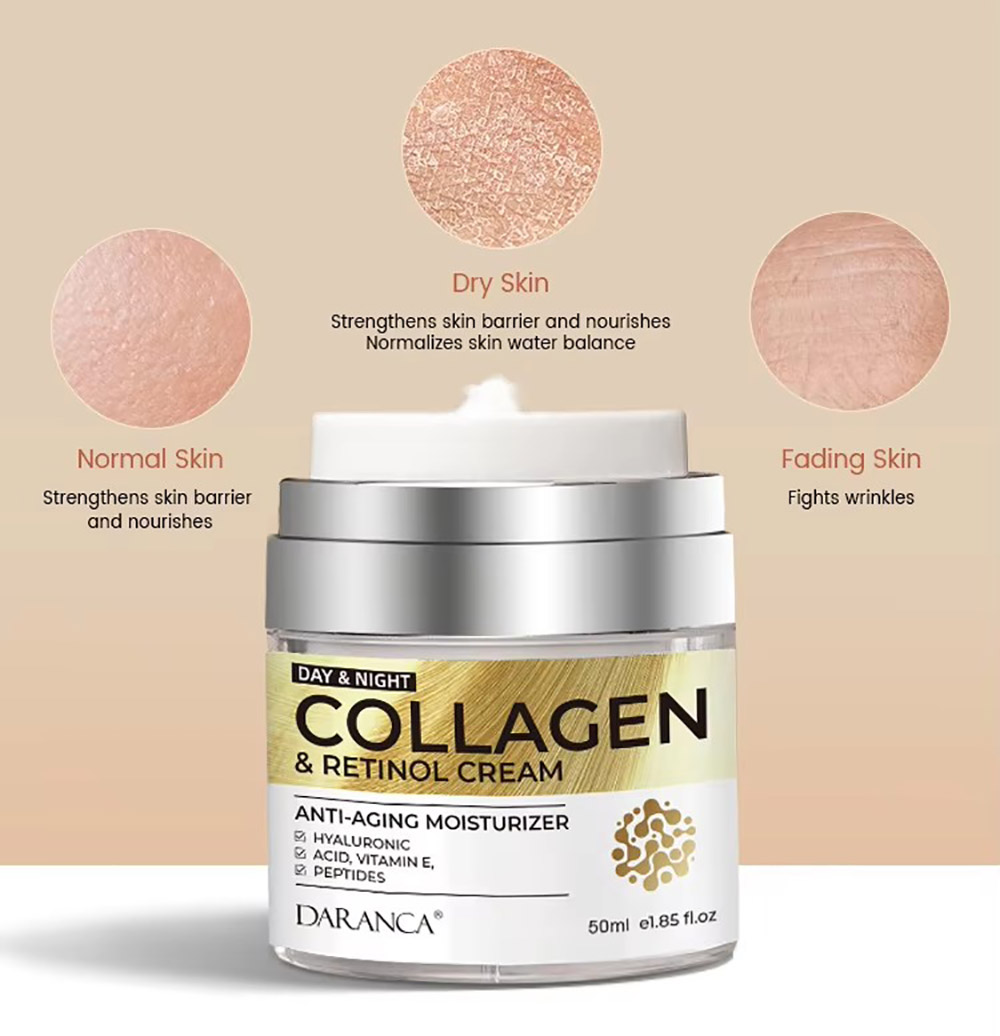
Not automatically. A cream may contain kojic acid too. Compare complete formulas, tolerability, supporting evidence, and breastfeeding considerations rather than format alone.
It can fade after delivery, but some cases persist. Sun protection remains important, and persistent pigmentation may benefit from dermatological evaluation.
Do not assume it is safe based on the ingredient's origin. Ask a healthcare professional to assess the complete formula because lactation-specific evidence is limited.
Sometimes, but combining products may duplicate ingredients and increase irritation. Start with a simple routine and obtain advice before layering multiple pigmentation treatments.
Improvement is gradual and variable. An eight-to-twelve-week review can help assess progress, but it is not a guaranteed response timeline.
Daily sun protection remains part of melasma care. Consider your actual daylight exposure; tinted sunscreen containing iron oxides can add visible-light protection.
No. It concerns manufacturing standards. Treatment or cosmetic-performance claims require separate, relevant evidence for the specific product.
1. Company information supplied by iHot Cosmetics / Guangzhou Aihuo Biotechnology Co., Ltd.
Source of the stated experience, certifications, facility size, production capacity, cleanroom classification, and brand relationships. These are company-provided claims, not independently audited findings. A company-published profile also describes the facility and production lines. [cosmeticsinhot]
2. American Academy of Dermatology. "Melasma: Diagnosis and Treatment."
Supports diagnosis, possible fading after pregnancy, treatment options, and the role of sun protection. [aad]
3. American Academy of Dermatology. "Melasma: Self-Care."
Supports SPF 30 or higher, outdoor reapplication, gentle skincare, and tinted sunscreen containing iron oxides for visible-light protection. [aad]
4. American Academy of Dermatology. "Dermatologist-Approved Pregnancy Skin Care."
Supports pregnancy-specific skincare review and discussion of medications and skincare with obstetric and dermatology professionals. [aad]
5. British Association of Dermatologists. "Melasma."
Supports persistence and recurrence, photoprotection, and avoiding hydroquinone and retinoid creams during pregnancy. [bad.org]
6. National Library of Medicine. Drugs and Lactation Database (LactMed®). "Azelaic Acid."
Supports the low-risk lactation assessment, limited systemic absorption, lack of direct breastfeeding studies, and precautions against infant contact. [ncbi.nlm.nih]
7. "Self-Applied Topical Interventions for Melasma: A Systematic Review and Meta-Analysis of Data from Randomized, Investigator-Blinded Clinical Trials." *British Journal of Dermatology*, 2022; 187(3):309 onward.
Supports the comparative evidence framework and the contribution of photoprotection to treatment effectiveness. [academic.oup]
8. "Topical Treatments for Melasma and Their Mechanism of Action." *The Journal of Clinical and Aesthetic Dermatology*.
Supports kojic acid's mechanism, combination-treatment distinctions, and irritation/contact dermatitis considerations. [jcadonline]
9. "Comparison of the Effectiveness and Safety of 5% Cysteamine and 2% Kojic Acid in Patients with Melasma." 2025.
Supports the recent comparative finding discussed in the evidence section; it does not establish serum superiority or postpartum-specific outcomes. [pmc.ncbi.nlm.nih]
Hot Tags: China, Global, OEM, private label, manufacturers, factory, suppliers, manufacturing company


