
Views: 255 Author: iHot Cosmetics Publish Time: 2026-11-27 Origin: Site


Content Menu
● Why Clarifying Shampoo Formulation Matters to Buyers
● What Is a Clarifying Shampoo? Core Function Explained
● Clarifying vs. Chelating Shampoo: The Key Formulation Difference
● Surfactant System: Balancing Cleansing and Comfort
● Chelating Agents and Acids: Choosing the Right Option
● Conditioning Support: Preventing the "Stripped" Feel
● Expert Insight: Our Development Checklist for Buyers
● Common Buyer Mistakes to Avoid
● Why Brands Choose iHot Cosmetics
● FAQ
Buyers should know three things about clarifying shampoo formulation. The surfactant system sets the cleaning power, the chelating agents decide whether hard-water minerals come off, and the conditioning support decides whether the hair feels stripped afterward. At iHot Cosmetics (Guangzhou Aihuo Biotechnology Co., Ltd.), we have developed skin care, personal care and hair care products for more than 10 years. This guide covers what we tell brand owners before a clarifying shampoo project starts.
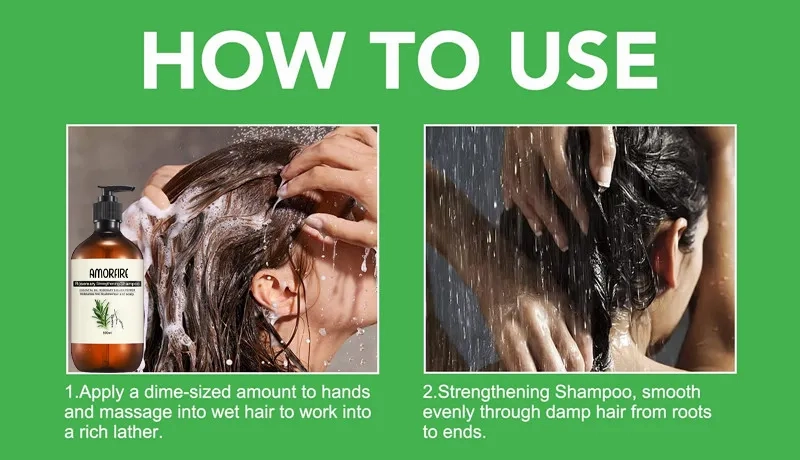
The shampoo market is large and still growing. One analyst projects growth from $30.9 billion in 2024 to $52.7 billion by 2034, a CAGR of about 5.5% [Global Insight Services]. Demand for sulfate-free and paraben-free formulas is rising in the same period, and consumers increasingly want products matched to their own hair concerns.
Clarifying shampoo is a niche inside this market, but it is a high-repeat one. Consumers use it for styling-product residue, sebum, dry shampoo, silicones and hard-water deposits. A weak formula leads to returns and poor reviews. A balanced one earns loyal repeat buyers.
From our experience with 2,000+ brands, most failed clarifying launches share two causes. The brief was vague, or the formula cleaned well but felt harsh.
A clarifying shampoo uses stronger cleansing surfactants to lift away residue that regular shampoos leave behind [Ulta]. Surfactants attract both oil and water, so they lift oil and product off the hair and rinse it away.
It is meant for occasional use. Overuse of strong surfactants can strip natural oils [Ulta]. Many guides suggest every 2–4 weeks for most hair types [HairTrait]. Heavy styling-product users or people with oily scalps may use it weekly.
This is the most common point of confusion for new buyers. The two products solve different problems.
| Factor | Clarifying shampoo | Chelating shampoo |
|---|---|---|
| Main target | Oil, sebum, styling product, silicones | Calcium, magnesium, iron, copper and other minerals |
| Main mechanism | Higher levels of cleansing surfactants | Chelating agent binds metal ions, plus surfactants |
| Typical actives | Anionic or plant-derived surfactants | Disodium EDTA, tetrasodium EDTA, citric acid, sodium phytate |
| Risk if overused | Dryness and stripping | Dryness, less so if conditioning agents are added |
Sources for the table: [deSal][Crystal Aguh MD][XJ Beauty].
Many modern products combine both approaches. One cosmetic chemist notes that chelating agents form bonds with metal ions in water, which makes the water behave more softly on hair [Allure]. Dermatologists quoted by CNN also recommend citric acid or EDTA when hard water is the specific concern [CNN Underscored].
Our advice: decide first whether your customer's main problem is buildup, minerals, or both. Then choose the formula direction.
The surfactant system is the core of the formula. These are the main options:
- Sulfate-based anionic surfactants (such as sodium laureth sulfate) give strong cleaning and foam at low cost. They can dry out hair if the formula is not balanced.
- Plant-derived or coconut-based surfactants clean more gently and fit clean-beauty positioning.
- Amphoteric co-surfactants raise mildness and foam quality.
- Mixed systems are the practical choice for most brands. They keep cleaning strong but cut tightness.
Dermatologists recommend gentler, sulfate-free surfactants combined with actives for buildup and hard-water deposits, so the scalp is not left feeling stripped [CNN Underscored]. Natural and organic shampoos are also forecast to grow at about 6.4% a year through 2035, according to one market report [Market Research Future].
Each option has trade-offs:
1. Disodium EDTA is widely used, effective and cost-efficient.
2. Tetrasodium EDTA is another common option, with a different pH and solubility profile.
3. Citric acid helps with minerals and supports a mildly acidic pH.
4. Sodium phytate or gluconolactone suit brands that want an alternative positioning.
EDTA is less harsh than strong surfactants, but it can still have a drying effect [Allure]. That is why the conditioning package matters. Ingredient and claim rules differ by market, so we check regulatory fit for your target country at the start of each project.
Dermatologists recommend hydrating ingredients such as glycerin, panthenol and hydrolyzed proteins to minimize dryness after clarifying [CNN Underscored]. We add them at the design stage, because adding them after a failed stability or sensory test costs time.
Practical formula checks:
- Match pH to the scalp, usually mildly acidic.
- Test the rinse feel in both soft and hard water.
- Check clarity and viscosity after heat and cold cycles.
- Pair the shampoo with a rich conditioner or mask in the line.
This is the pre-launch process we use with OEM/ODM clients. It is based on our experience, not on a published standard.
1. Define the target consumer. Examples are swimmers, heavy stylists, oily-scalp users and hard-water regions.
2. Pick the direction. Choose clarifying, chelating, or a combined product.
3. Set claims early. Decide on "sulfate-free," "removes buildup" or "hard water" before formulation.
4. Run lab samples and adjust for foam, feel and rinse.
5. Run stability and compatibility tests with the final packaging.
6. Pilot batch on an automated line, then scale.
- Treating clarifying and chelating as the same thing. The claim and the formula then don't match.
- Using too much surfactant to chase foam, which hurts comfort.
- Skipping frequency guidance on the label. Many clarifying shampoos are meant for weekly or occasional use [Olaplex].
- Ignoring color-treated hair. This group needs gentler cleansing and a color-safe positioning.
- Underestimating raw-material cost swings. Surfactant prices are volatile, which can affect your margins in the short term [Market Research Future].
- GMP-certified with more than 10 years of experience.
- 70,000 m² ISO-certified facility with 15 automated production lines.
- 100,000-class cleanroom for consistent filling.
- Full OEM/ODM service from formula to packaging, trusted by 2,000+ brands.
Whether you want a gentle sulfate-free clarifier or a hard-water chelating shampoo, we can help you set a practical formulation and sampling brief.
Ready to start? Contact iHot Cosmetics with your target market, hair type and claims. We will recommend a formula direction and send samples.
1. How often should consumers use clarifying shampoo?
Most guidance says every 2–4 weeks. Oily scalps or heavy styling-product users may go weekly [HairTrait][Olaplex].
2. Is clarifying shampoo the same as chelating shampoo?
No. Clarifying shampoo mainly removes oil and product with surfactants. Chelating shampoo adds an agent such as EDTA to bind minerals [deSal].
3. Can clarifying shampoo be sulfate-free?
Yes. Plant-based or gentler surfactants can be paired with actives for buildup, which suits sensitive or color-treated users [CNN Underscored].
4. What ingredients reduce dryness after clarifying?
Glycerin, panthenol and hydrolyzed proteins [CNN Underscored].
5. Do I need a chelating agent for hard water?
Usually yes. Chelating agents such as citric acid or EDTA are the recommended approach for hard-water buildup [CNN Underscored].
6. Can iHot make a custom clarifying shampoo under my brand?
Yes. We offer OEM/ODM development, from formula and sampling to filling and packaging.
- [Shampoo Market Analysis and Forecast to 2034 – Global Insight Services]
- [Shampoo Market Share, Size, Trends, Growth Forecast – Market Research Future]
- [Clarifying Shampoo 101 – Ulta]
- [The best clarifying shampoos, according to dermatologists – CNN Underscored]
- [11 Best Clarifying Shampoos – Allure]
- [Chelating vs Clarifying Shampoo – deSal]
- [Clarifying vs Chelating Shampoo – Crystal Aguh MD]
- [Chelating Shampoo vs Clarifying Shampoo – XJ Beauty]


