
Views: 231 Author: iHot Cosmetics Publish Time: 2026-08-20 Origin: Site


Content Menu
● Why Choosing the Right Skin Care Manufacturer Matters
● iHot Cosmetics: Global OEM/ODM Partner for U.S. Skincare Brands
>> What Makes iHot Cosmetics Different?
>> OEM Skin Care Manufacturing
● The U.S. Compliance Reality: What Brand Owners Should Know
>> Avoid Unintended Drug Claims
● How iHot Cosmetics Supports Product Quality
>> Our Quality-Oriented Process
>> What Experienced Buyers Often Ask
● Product Categories for Private Label and Custom Development
>> Body Care
● Choosing Between a U.S. Supplier and a Global Manufacturer
● Expert Checklist Before You Place an Order
>> 1. Define the Product Brief
>> 2. Confirm Manufacturing Fit
>> 3. Review Samples Carefully
>> 4. Plan Compliance Before Marketing
>> 5. Build a Scalable Relationship
● Why Brands Choose iHot Cosmetics
● Start Your Custom Skincare Project
● FAQ
>> 1. What is the difference between OEM and ODM skincare manufacturing?
>> 2. Can iHot Cosmetics support U.S. skincare brands?
>> 3. What skincare products can be customized?
>> 4. How should I evaluate a skincare manufacturer?
>> 5. Does FDA registration mean a cosmetic product is FDA approved?
>> 6. What should I prepare before asking for a quote?
When brands search for the top skin care products manufacturers and suppliers in USA, they are usually looking for more than a factory. They need a reliable long-term partner that can develop compliant formulas, protect brand quality, scale production, and support a smooth route to the U.S. market.
At iHot Cosmetics (Guangzhou Aihuo Biotechnology Co., Ltd.), we support global skincare, personal care, and hair care brands with end-to-end OEM/ODM manufacturing. With more than 10 years of industry experience, a 70,000-square-meter ISO-certified facility, 15 automated production lines, and 100,000-class cleanroom production environments, we help brands turn product ideas into market-ready cosmetic solutions.
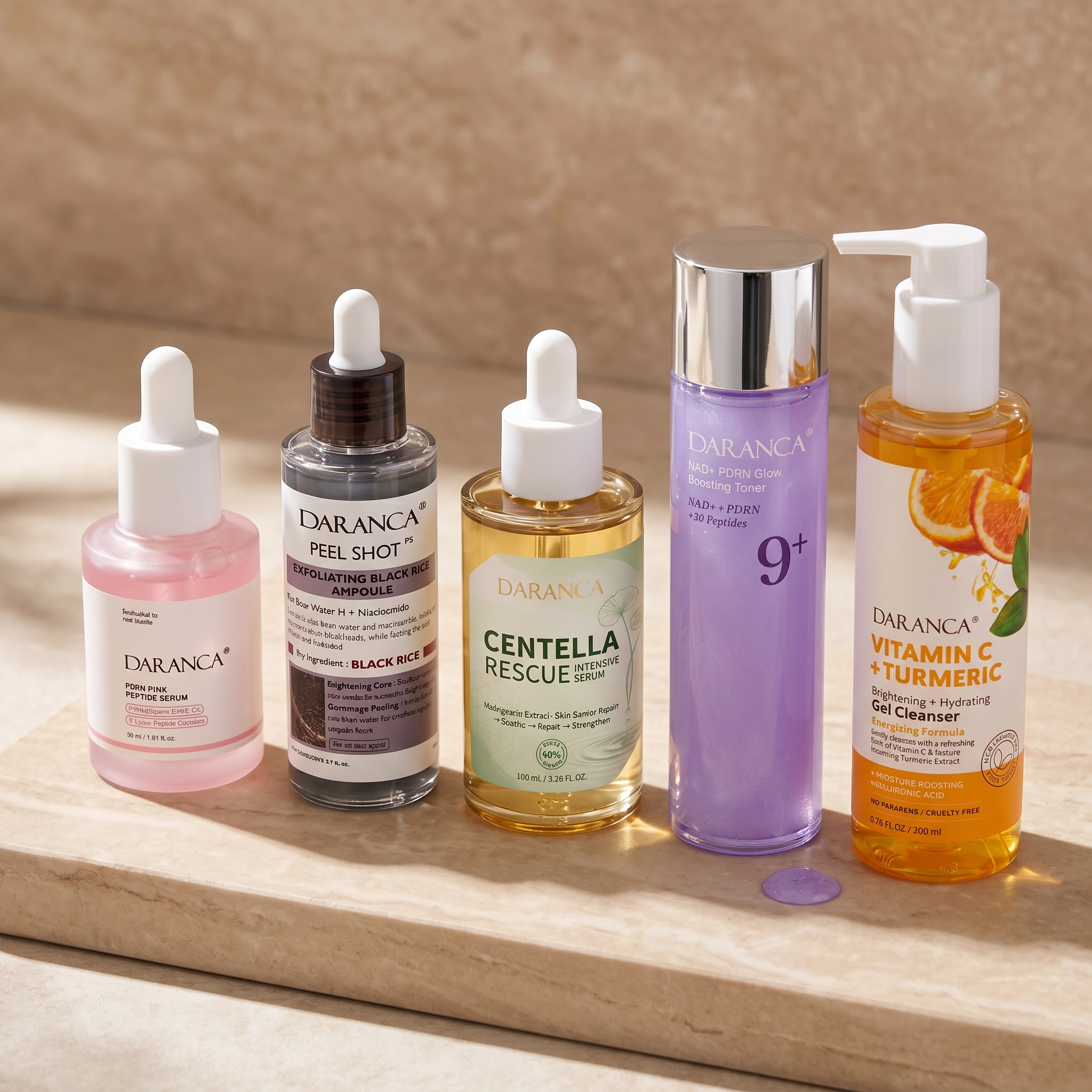
The U.S. beauty and personal care market remains highly competitive, with strong demand for skincare products that are effective, well-designed, safe, and transparent. The market was estimated at USD 109.56 billion in 2025 and is forecast to grow substantially through 2033. This creates opportunity, but it also raises the standards brands must meet.
A strong skincare manufacturer should do more than fill bottles. The right supplier helps reduce avoidable risks in formula development, raw-material sourcing, packaging compatibility, documentation, production consistency, and quality control.
For startup brands, the wrong manufacturing decision can lead to delays, unstable formulas, packaging leakage, inconsistent texture, compliance problems, or expensive reformulation. For established brands, a weak supplier can threaten customer trust and retail relationships.
The best skin care products manufacturers and suppliers in USA-oriented markets therefore share several traits:
- Reliable quality-management systems
- Clear OEM and ODM capabilities
- Scalable production capacity
- Professional formulation support
- Traceable raw-material sourcing
- Flexible packaging solutions
- Transparent communication
- Knowledge of U.S. cosmetic compliance expectations
iHot Cosmetics is a China-based skincare, personal care, and hair care manufacturer serving brands worldwide, including businesses targeting the U.S. market. We combine manufacturing infrastructure with practical product-development support, making us a strong choice for brands seeking a dependable alternative to local-only sourcing.
We have earned the trust of more than 2,000 brands by focusing on product quality, collaborative development, responsive service, and scalable manufacturing.
Our manufacturing approach is designed around the real challenges brand owners face: moving quickly without sacrificing quality, creating differentiation without unnecessary complexity, and maintaining consistency as order volumes grow.
| Capability | What It Means for Your Brand |
|---|---|
| More than 10 years of experience | Practical knowledge across skincare, hair care, and personal care categories |
| 70,000 m² ISO-certified factory | Capacity to support established brands and growing product portfolios |
| 15 automated production lines | Efficient production planning and stronger batch consistency |
| 100,000-class cleanrooms | Controlled production conditions for sensitive cosmetic manufacturing processes |
| Full OEM/ODM service | Support from concept and formulation through production and packaging |
| Trusted by 2,000+ brands | Experience working with diverse product concepts, packaging styles, and market needs |
Our team understands that a skincare product is not simply a formula. It is a complete brand experience. The texture, fragrance, visual presentation, dispensing format, carton design, ingredient story, and product performance should all work together.
OEM manufacturing is ideal when your brand already has a formula, product concept, specification, or clear benchmark product. Our role is to manufacture according to agreed standards while helping manage practical production details.
Our OEM skincare manufacturing services may include:
- Formula evaluation and feasibility review
- Raw-material procurement
- Sample preparation
- Bulk manufacturing
- Filling and packing
- Private-label support
- Quality-control procedures
- Packaging coordination
- Export-oriented documentation support
OEM is often a good solution for brands that have an established product direction and want a capable manufacturer with the operational capacity to execute it consistently.
ODM is a better fit for brands that have a market vision but need formulation and product-development support. We work with clients to create products that align with their positioning, target customer, price point, packaging concept, and desired sensory experience.
Typical ODM projects include:
- Hydrating facial serums
- Brightening essences
- Facial cleansers
- Moisturizing creams
- Sunscreen-adjacent cosmetic products, subject to market-specific requirements
- Body lotions
- Body scrubs
- Hand creams
- Scalp-care products
- Hair masks
- Leave-in hair treatments
- Men's grooming products
- Baby and family personal care products
A manufacturer can produce a beautiful product, but brands still need a disciplined approach to U.S. market readiness. The Modernization of Cosmetics Regulation Act of 2022, commonly called MoCRA, strengthened FDA oversight of cosmetics distributed in the United States. It includes requirements related to facility registration, product listing, safety substantiation, adverse-event reporting, and other responsibilities.
For example, manufacturers and processors generally must register applicable facilities with the FDA and renew registration every two years. Responsible persons must list marketed cosmetic products and update listings annually when required.
This does not mean every skincare product follows the same regulatory path. Product claims matter. A product marketed only to cleanse, moisturize, beautify, or improve appearance may be treated differently from a product that claims to treat disease, alter body structure, or affect body function.
One of the most common mistakes in skincare marketing is making claims that can shift a cosmetic product into drug-regulated territory.
Be cautious with claims such as:
- "Treats acne"
- "Heals eczema"
- "Eliminates psoriasis"
- "Repairs damaged skin cells"
- "Stimulates collagen production"
- "Reverses aging"
- "Regrows hair"
- "Blocks UV radiation" without meeting applicable sunscreen requirements
Instead, cosmetic-focused language can be more appropriate when supported by the product's intended use:
- "Helps skin feel hydrated"
- "Improves the appearance of dry skin"
- "Leaves skin looking smoother"
- "Supports a refreshed-looking complexion"
- "Helps reduce the appearance of dullness"
- "Nourishes the feel of hair"
A responsible manufacturing partner should encourage brands to review product claims, labels, and marketing materials carefully before launch.
Quality is not a final inspection step. It begins before production, with formula planning, material standards, supplier controls, packaging selection, and process discipline.
FDA cosmetic GMP guidance emphasizes that manufacturing and storage facilities should be appropriately designed, maintained, and operated in sanitary conditions. It also highlights the importance of orderly equipment placement, materials storage, cleaning, and maintenance.
At iHot Cosmetics, our product-development and production workflow is built to support consistent outcomes.
1. Product consultation
We discuss your product category, target user, sales market, positioning, ingredients, fragrance preferences, packaging, and price expectations.
2. Formula recommendation or development
Our team recommends suitable existing solutions or develops an ODM concept based on your brief.
3. Sample review
You evaluate texture, appearance, fragrance, skin feel, and overall product direction before moving forward.
4. Packaging compatibility planning
We help align the formula with suitable jars, tubes, pumps, droppers, bottles, or other packaging formats.
5. Production confirmation
Once specifications are approved, we coordinate raw materials, packaging components, manufacturing schedules, filling, and packing.
6. Quality checks and final delivery preparation
Finished products undergo applicable production and quality-control procedures before shipment.
From a brand-owner perspective, the most useful factory questions are not only "What is your MOQ?" or "What is your price?"
Ask these questions early:
- Can you provide samples before mass production?
- What testing or quality checks apply to this product type?
- How do you manage batch consistency?
- Can the formula work with our preferred packaging?
- What are the lead times for samples and bulk orders?
- Can you support custom fragrance, color, texture, and active ingredients?
- Which documents can you provide for the target market?
- How do you handle formula confidentiality and private-label protection?
- What happens if packaging materials are delayed or changed?
- Can you support future production scale-up?
These questions help brands compare suppliers based on long-term value rather than headline pricing alone.
iHot Cosmetics provides flexible solutions across several fast-moving beauty categories.
- Facial cleansers
- Toners
- Essences
- Facial serums
- Moisturizers
- Face creams
- Sleeping masks
- Clay masks
- Sheet-mask solutions
- Eye creams
- Lip care
- Makeup-removing products
- Body lotion
- Body butter
- Body wash
- Shower gel
- Hand cream
- Foot cream
- Body scrub
- Deodorant products
- Intimate-care products
- Bath products
- Shampoo
- Conditioner
- Hair masks
- Hair oils
- Scalp serums
- Leave-in treatments
- Styling products
- Hair-growth appearance support products with carefully reviewed cosmetic claims
- Men's grooming products
- Baby-care products
- Feminine-care products
- Fragrance and body-mist concepts
- Travel-size personal care collections
The phrase "top skin care products manufacturers and suppliers in USA" can mean two different things. Some buyers want a factory physically located in the United States. Others want a manufacturer that can reliably supply products to U.S. brands.
A global manufacturing partner can offer meaningful advantages when it has established infrastructure, experienced technical teams, adaptable production lines, and export experience.
| Decision Factor | U.S.-Based Factory | Global Manufacturer Such as iHot Cosmetics |
|---|---|---|
| Local visits | Often easier | May require virtual audits or international travel |
| Production cost | May be higher | Can offer more cost-efficient production structures |
| Product customization | Varies by supplier | Broad OEM/ODM options can support custom development |
| Production capacity | Varies widely | Larger facilities may support growing volume |
| Lead-time planning | Potentially shorter domestic logistics | Requires earlier planning for international freight |
| Supplier communication | Same time zone possible | Requires responsive project management and clear documentation |
| Manufacturing scope | Can be specialized | Often supports multiple skincare and personal-care categories |
The best choice depends on your business model, launch schedule, desired level of customization, target quantity, logistics plan, and regulatory responsibilities.
Before selecting a skincare supplier, use this decision framework.
A clear brief should include:
- Product category
- Target customer
- Key product benefit
- Desired texture
- Fragrance direction
- Ingredient preferences
- Packaging format
- Estimated order quantity
- Target retail price
- Launch timeline
- Intended market
The clearer the brief, the faster a manufacturer can recommend viable options.
Do not assume every factory is equally strong in every category. Ask about their actual experience with your product type, especially for complex emulsions, anhydrous formulas, scalp care, sensitive-skin concepts, or packaging-sensitive formulas.
Evaluate samples using real user feedback. Consider:
- Absorption speed
- Fragrance strength
- Texture and spreadability
- Skin feel after 15 minutes
- Packaging usability
- Product appearance over time
- Whether the experience matches your brand promise
Build compliance into the product-development timeline. Do not wait until production is complete to review labels, claims, ingredients, and required documentation.
A supplier should be capable of supporting your first launch and your next stage of growth. Consider how the manufacturer handles repeat orders, formula updates, packaging changes, and increased quantities.
Our clients value a manufacturing partner that listens closely, responds professionally, and understands that each product represents a brand's reputation.
Brand feedback commonly highlights the areas that matter most in a long-term factory relationship:
- Clear communication during product development
- Flexible support for customized formulas
- Professional sampling and packaging coordination
- Reliable production capacity
- Broad skincare, body care, and hair care capabilities
- A practical balance between quality, customization, and cost control
For us, successful manufacturing is not defined only by filling an order. It is defined by helping clients launch products they can confidently sell, promote, and reorder.
If you are looking for one of the most capable top skin care products manufacturers and suppliers in USA-focused markets, iHot Cosmetics can help you develop private-label or customized skincare, personal care, and hair care products for your next launch.
Share your product idea, target market, preferred packaging, estimated quantity, and timeline. Our team can help assess the right OEM or ODM path and move your concept toward production with a more structured, brand-focused process.
Contact iHot Cosmetics today to discuss your custom skincare manufacturing requirements and request a product-development consultation.
OEM means the manufacturer produces a product based on your existing formula or defined requirements. ODM means the manufacturer helps develop or adapt a formula and product concept for your brand.
Yes. iHot Cosmetics supports global clients, including brands that intend to sell in the U.S. market. Brand owners should still review market-specific requirements, product claims, labeling, and regulatory responsibilities before launch.
Common options include cleansers, serums, creams, masks, body lotions, body washes, shampoos, conditioners, scalp products, lip care, hand creams, and other personal care products.
Review its experience, production capacity, quality-management systems, sampling process, communication, formula capabilities, packaging support, confidentiality procedures, lead times, and ability to support your target market.
No. FDA facility registration and cosmetic product listing requirements under MoCRA are not the same as FDA product approval. Brands should avoid representing a cosmetic as "FDA approved" unless that statement is specifically accurate for the product category and regulatory status. [fda]
Prepare a product brief with the product category, desired formula features, packaging type, estimated order volume, target price, preferred ingredients, sales market, and expected launch date.

1. U.S. Food and Drug Administration. [Modernization of Cosmetics Regulation Act of 2022 (MoCRA)] — Information on cosmetic facility registration, product listing, and related requirements.
2. U.S. Food and Drug Administration. [GMP Guidelines/Inspection Checklist for Cosmetics] — Guidance on sanitary cosmetic manufacturing facilities, equipment, storage, cleaning, and maintenance.
3. Grand View Research. [U.S. Beauty and Personal Care Products Market] — Market-size and growth estimates for the U.S. beauty and personal care sector.
4. U.S. Library of Congress. [Business of Beauty: Retail, Wholesale & Manufacturing] — Industry classification information for toilet preparation manufacturing, including face creams, lotions, hair preparations, and cosmetic products.
5. IBISWorld. [Cosmetic & Beauty Product Manufacturing in the United States] — Industry overview and business-count context for the U.S. cosmetic and beauty manufacturing market.
Hot Tags: China, Global, OEM, private label, manufacturers, factory, suppliers, manufacturing company


