
Views: 257 Author: iHot Cosmetics Publish Time: 2026-10-22 Origin: iHot Cosmetics


Content Menu
● Scalp-Targeted Hair Growth Serum vs Structural Hair Care: The Essential Difference
● Fine Hair, Thinning Hair, and Breakage Require Different Decisions
>> Fine Hair Describes Strand Thickness
>> Thinning Hair Describes Reduced Coverage
>> Breakage Reduces Retained Length
● What Can a Scalp-Targeted Hair Growth Serum Actually Do?
>> Evidence-Based Hair-Loss Treatments
● How Structural Hair Care Helps Fine, Thinning Hair
>> Reduced Friction and Easier Detangling
>> Temporary Improvement, Not Biological Repair
>> Lightweight Performance for Fine Hair
● How to Choose Between a Scalp Serum and Structural Treatment
● A Practical Routine for Fine Hair Without Unnecessary Layering
>> Step 1: Establish a Useful Baseline
>> Step 2: Cleanse According to Scalp Needs
>> Step 3: Condition the Lengths
>> Step 4: Apply Scalp Products as Directed
>> Step 5: Evaluate Separate Outcomes
● OEM/ODM Insight: Build Two Products Around Two Different Jobs
● Match Every Marketing Claim to the Right Test
● Hair Growth Claims Need Market-Specific Regulatory Review
● Develop a Clearer Fine-Hair Range with iHot Cosmetics
>> 1. Can a scalp serum replace conditioner?
>> 2. Do structural hair care products stimulate new growth?
>> 3. Can I combine a scalp treatment with a structural product?
>> 4. How long should I wait for visible results?
>> 5. Does tingling mean a serum is working?
>> 6. Should fine hair avoid every rich ingredient?
>> 7. Can manufacturing certification prove a serum regrows hair?
At iHot Cosmetics, our approach to Scalp-Targeted Hair Growth Serum vs Structural Hair Care Products for Fine, Thinning Hair begins with a practical distinction: the scalp and the hair shaft need different solutions. A scalp serum is not automatically a proven regrowth treatment, while a conditioner that reduces breakage does not treat follicle-related hair loss.
According to our company profile, iHot Cosmetics—Guangzhou Aihuo Biotechnology Co., Ltd.—is a China-based OEM/ODM manufacturer with over 10 years of experience in skincare, personal care, and hair care. Our stated capabilities include a 70,000-square-meter ISO-certified facility, 15 automated production lines, Class 100,000 cleanrooms, GMP certification, and service to more than 2,000 brands.
For brands and consumers alike, the right starting point is not the most impressive ingredient list. It is identifying whether the priority is scalp care, reduced breakage, fuller-looking strands, or medically assessed hair loss.
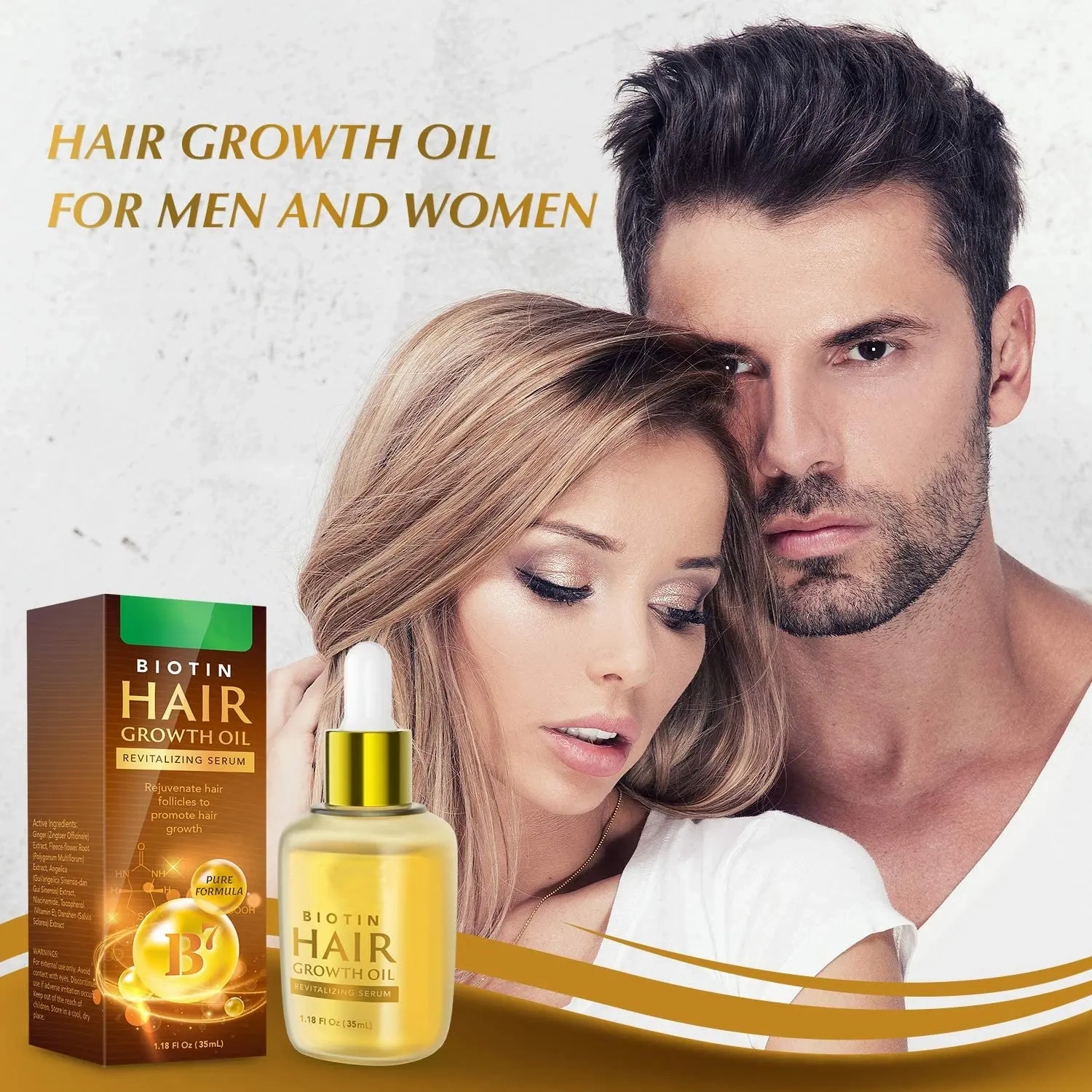
Scalp-targeted products are applied to the scalp. Depending on their formulation and regulatory status, they may provide cosmetic conditioning or deliver an approved hair-loss medication.
Structural hair care products work mainly on existing hair fibers. In this article, the term includes conditioners, masks, leave-ins, and other treatments intended to improve manageability, reduce friction, or make strands appear fuller. It is a descriptive category, not a standardized medical classification.
| Comparison | Scalp-targeted serum | Structural hair care |
|---|---|---|
| Primary application area | Scalp | Hair lengths and ends |
| Typical cosmetic purpose | Scalp conditioning and comfort | Detangling, smoothing, reduced breakage |
| Possible growth benefit | Depends on active ingredient, evidence, and regulatory status | Does not establish follicular regrowth |
| Useful evaluation measures | Tolerability; clinical measures when growth is claimed | Combing force, breakage, volume, manageability |
| Main misunderstanding | Every "growth serum" regrows hair | Stronger-feeling strands mean more follicles |
The categories can complement each other. However, their benefits should never be treated as interchangeable.
*Suggested visual: A labeled illustration showing scalp application beside a conditioner acting on the hair cuticle.*
Fine hair has a relatively small individual strand diameter. Someone can have fine strands and still have substantial overall coverage.
The practical challenge is balancing conditioning with volume. A formula should improve combability without leaving the user dissatisfied with residue or flatness. That balance depends on the complete formulation and application amount—not simply whether an ingredient appears on the label.
Thinning refers to a change in density or visible scalp coverage. It can reflect different underlying processes, so a product category alone cannot identify the cause.
Progressive thinning deserves appropriate assessment rather than repeated experimentation with cosmetic products.
Hair fibers can weaken through chemical processing, heat, friction, and grooming. Structural care can reduce friction and make detangling easier, helping limit further mechanical damage.
Short pieces and uneven lengths may suggest breakage, but appearance alone cannot reliably diagnose a hair-loss condition. Breakage and shedding can also occur together.
"Hair growth serum" is a marketing description, not proof of effectiveness. The useful questions are: What is the intended benefit? What evidence supports it? Is the product a cosmetic or a medicine?
A cosmetic scalp serum may moisturize, condition, or improve the feel of the scalp. These can be worthwhile benefits, particularly when the formula is comfortable enough for consistent use.
However, a pleasant scalp sensation does not demonstrate increased hair density. Neither does an ingredient study automatically establish that a finished product regrows hair.
When reviewing an efficacy claim, ask:
- Was the finished formula tested?
- Was there an appropriate comparison group?
- Were participants relevant to the intended customer?
- Was actual growth measured, or only perceived fullness?
- Were tolerability and withdrawals reported?
These questions reveal more than an impressive-looking ingredient percentage.
Topical minoxidil is an established treatment for certain forms of hair loss. The American Academy of Dermatology notes that results may take approximately six to twelve months and that continued use is needed to maintain benefits.
That evidence does not transfer to an unrelated cosmetic serum. Treatment suitability, application frequency, and precautions depend on the product label and individual circumstances.
For persistent thinning, professional diagnosis is more useful than choosing between increasingly elaborate serum claims.
Structural care addresses the hair that is already present. Its value lies in improving fiber behavior and helping preserve the appearance of existing hair.
Conditioners can smooth the fiber surface, reduce friction, and improve combability. Less resistance during grooming can help reduce mechanical damage.
This matters when fragile lengths make hair appear thinner than its scalp coverage alone would suggest.
Hair fibers are not living tissue that heals like skin. Conditioning ingredients can improve surface properties, and some protein-based treatments provide temporary benefits.
"Repair" therefore needs careful explanation. It may describe improved smoothness, reduced breakage under test conditions, or better manageability. It should not imply that a cosmetic product permanently restores every damaged structure.
For fine hair, successful conditioning is not simply "more nourishment." It is enough deposition to improve handling without an unwanted coated feel.
A useful product trial evaluates:
- Wet and dry detangling.
- Ease of rinsing.
- Residue after repeated use.
- Root volume and strand separation.
- Compatibility with styling products.
Avoid assuming that all oils, silicones, or proteins behave identically. Ingredient selection, concentration, formulation, and application all affect the result.
Start with the concern you want to address.
| Main concern | Practical starting point |
|---|---|
| Fine strands that look flat | Assess lightweight conditioning and styling performance |
| Tangling and fragile lengths | Prioritize gentle handling and structural conditioning |
| Persistent loss of coverage | Seek assessment of the underlying cause |
| Uncomfortable scalp | Review product tolerance and obtain advice if symptoms persist |
| Both thinning and breakage | Combine appropriate scalp management with fiber protection |
Sudden or patchy loss, marked tenderness, sores, or significant scaling should prompt medical evaluation. A cosmetic routine should not delay investigation.
The best routine may contain both categories, but each product should have a distinct job.
Photograph the part and hairline under consistent lighting, distance, and styling conditions. Record recent coloring, heat exposure, scalp symptoms, and routine changes.
These observations can support a consultation and help reduce misleading comparisons. They cannot establish a diagnosis.
Choose cleansing frequency around oiliness, buildup, comfort, and product directions. Avoid treating an arbitrary washing schedule as a universal rule.
For a conventional rinse-out conditioner, follow the label and focus on the lengths that need detangling. Avoid unnecessary friction during washing, towel drying, and combing.
Use the specified amount and application method. More product does not automatically produce better results.
If using a medication, follow its labeling or clinician instructions rather than a generic cosmetic layering routine.
Track scalp comfort, manageability, breakage, perceived fullness, and any clinically assessed density change separately.
An immediate improvement in softness or volume is valuable—but it is not evidence of new growth.
For brands developing a private-label hair care range, a coordinated scalp-and-length system can communicate value more clearly than one formula promising everything.
A development brief for iHot Cosmetics could define:
1. The target customer and their primary concern.
2. The destination market and intended product classification.
3. The precise benefit each product should deliver.
4. Sensory requirements, packaging, and application method.
5. The evidence needed before approving claims.
A cosmetic scalp serum brief might prioritize comfortable application, limited residue, and scalp conditioning. A structural treatment brief might prioritize combability, reduced breakage, and a lightweight finish.
These are development directions—not claims that a particular iHot formula has already passed testing.
Manufacturing credentials support supplier assessment, but they do not establish the efficacy of an individual formula. Brands should review current certificates and product-specific documentation separately.
A stronger evidence plan begins before packaging copy is written.
| Proposed claim | Relevant substantiation approach |
|---|---|
| Easier detangling | Standardized wet- or dry-combing assessment |
| Reduced breakage | Controlled fiber testing under defined conditions |
| Fuller-looking hair | Standardized imaging and appropriate assessment |
| Comfortable scalp feel | Relevant tolerability and consumer-use evaluation |
| Hair regrowth | Appropriate clinical evidence and regulatory review |
Consumer feedback adds valuable context, but it answers different questions from instrumental or clinical testing.
For example, feedback about greasiness, fragrance, dispensing, or styling compatibility can guide reformulation. It cannot independently establish follicular growth.
When verified reviews become available, preserve their meaning, obtain appropriate permissions, and describe the collection method. Do not turn a report of "fuller-looking hair" into a claim of clinically proven regrowth.
In the United States, intended use helps determine whether a product is a cosmetic, a drug, or both. FDA identifies claims about restoring hair growth as examples that can establish drug status.
This makes wording a product-development issue, not merely a copywriting issue.
"Improves the appearance of fullness" and "regrows hair" describe different outcomes. Any proposed claim must reflect both supporting evidence and the rules of the destination market.
Before publishing, brands should also confirm the byline, review date, reviewer credentials where applicable, and access to supporting documentation. Credibility comes from traceable evidence—not an unsupported "expert-approved" label.
A credible fine-hair range should explain what each product does, where it works, and what results customers can reasonably expect.
Contact iHot Cosmetics with your target market, customer profile, desired texture, packaging preferences, and proposed claims. Request a product-development discussion covering formula feasibility, sampling, testing requirements, and documentation.
The objective is a scalp-and-length system with complementary roles—not competing promises.
Usually not. Scalp products and conditioners address different application areas. A scalp serum may leave lengths without sufficient detangling support.
Conditioning and strengthening benefits do not establish follicular regrowth. Their main role is improving existing hair fibers and reducing damage.
Often, yes, provided their directions and tolerability allow it. Follow medication instructions carefully and avoid unnecessary layering.
Conditioning effects may be noticeable during use. Growth outcomes require longer assessment; AAD notes that minoxidil results commonly take approximately six to twelve months.
No. A sensation does not prove growth efficacy. Persistent burning, redness, or discomfort warrants stopping the product and seeking appropriate advice.
No universal ingredient blacklist replaces testing the finished formula. Assess the application amount, residue, manageability, and volume on the intended hair type.
No. Manufacturing certification and product efficacy address different questions. Growth claims need their own appropriate evidence.
- iHot Cosmetics / Guangzhou Aihuo Biotechnology Co., Ltd. Company information supplied for this article: experience, manufacturing area, certifications, production lines, cleanroom classification, and brands served. Independently verifiable certificates and supporting business records were not provided.
- American Academy of Dermatology. "Hair loss: Diagnosis and treatment." Source for treatment assessment, minoxidil expectations, and continued-use requirements. [aad]
- Gavazzoni Dias, M. F. R. "Hair Cosmetics: An Overview." International Journal of Trichology, 2015. Source for conditioning, friction, grooming damage, and breakage mechanisms. Available through PubMed Central. [pmc.ncbi.nlm.nih]
- "On Hair Care Physicochemistry: From Structure and Degradation to Novel Biobased Conditioning Agents." 2023. Source for hair-fiber degradation, conditioning mechanisms, and temporary protein-conditioning effects. Available through PubMed Central. [pmc.ncbi.nlm.nih]
- U.S. Food and Drug Administration. "Cosmetics & U.S. Law." Source for the distinction between cosmetic and drug claims, including restoring hair growth. [fda]
- American Academy of Dermatology. "Hair loss: Signs and symptoms." Source for warning signs including sudden loss, tenderness, scaling, and scalp lesions. [aad]
Hot Tags: China, Global, OEM, private label, manufacturers, factory, suppliers, manufacturing company


