
Views: 225 Author: iHot Cosmetics Publish Time: 2026-10-10 Origin: Site


Content Menu
● Lightweight Hair Serum vs Heavy Hair Cream: The Quick Comparison
● Why Fine, Wavy Hair Needs a Different Styling Strategy
>> Fine Hair Is Not the Same as Low-Density Hair
>> Softness Does Not Always Mean Better Waves
● What a Lightweight Hair Serum Can—and Cannot—Do
>> Smoothing and Shine Without Excess Residue
>> Silicone-Free Is Not Automatically Lighter
● When a Heavy Hair Cream Makes Sense
>> Dry or Damaged Ends May Need More Conditioning
>> A Cream Can Condition Without Providing Hold
● How to Read Formulas for Fine, Wavy Hair
>> Separate Conditioning Ingredients from Styling Ingredients
● A Practical Application Routine for Fine Waves
● A Half-Head Test That Makes Product Choice Easier
● Troubleshooting Flat, Frizzy, or Inconsistent Waves
● OEM/ODM Insights: Designing Lightweight Products with iHot Cosmetics
● Build Your Fine-Wavy-Hair Product Brief
>> 1. Is serum or cream better for fine, wavy hair?
>> 2. Can hair serum define waves without gel?
>> 3. Should fine, wavy hair avoid silicones?
>> 4. Can I use serum and cream together?
>> 5. Why do my waves disappear after applying cream?
>> 6. How can brands substantiate a "lightweight" claim?
iHot Cosmetics, also known as Guangzhou Aihuo Biotechnology Co., Ltd., approaches the question of lightweight hair serum vs heavy hair cream for defining fine, wavy hair strands with one priority: preserving movement while improving manageability. Fine waves need enough conditioning to look smooth, but not so much deposited product that their natural shape collapses.
According to our company information, iHot Cosmetics is a GMP-certified skincare, personal care, and hair care manufacturer with more than ten years of experience. Our manufacturing infrastructure includes a 70,000-square-meter ISO-certified facility, 15 automated production lines, and Class 100,000 cleanrooms. We provide OEM/ODM solutions for global customers and report serving more than 2,000 brands.
For fine, wavy hair, a lightweight serum is usually the better starting point for smoothing and shine. A richer cream may suit dry, damaged ends. However, neither category automatically delivers lasting wave definition: the formula, application amount, and presence of styling polymers matter more than the name.

The most useful distinction is not "liquid versus cream." It is how much conditioning a product deposits and whether it supplies meaningful styling hold.
| Decision factor | Lightweight hair serum | Heavy hair cream |
|---|---|---|
| Typical purpose | Smoothness, shine, reduced friction | Conditioning, softness, easier detangling |
| Fine-wave starting point | Often suitable in a very small amount | Best reserved for areas needing richer conditioning |
| Main application risk | Greasy-looking sections from excess product | Reduced volume and stretched-out waves |
| Styling hold | Often limited unless specifically formulated for hold | Variable; a conditioning cream may offer little hold |
| Where to begin | Mid-lengths and ends | Dry or damaged ends |
| What to evaluate | Spreadability, residue, shine, wave retention | Softness, heaviness, clumping, wave retention |
Think of definition as two separate tasks: helping strands gather into attractive wave groups and keeping those groups intact after drying. Conditioning supports the first task. A suitable styling film can support the second.
"Fine" describes the diameter of individual hair fibers. Density describes how many hairs grow across the scalp. Someone can have fine strands and abundant hair, or fine strands with lower density.
This distinction affects application. A person with many fine strands may need more total product, but each section can still become overloaded.
Wave pattern alone is also an incomplete guide. Bleaching, repeated heat styling, hair length, and the condition of the ends can change conditioning needs.
Conditioners reduce friction and improve combability. Those benefits can make styling easier and help hair look smoother.
However, the softest result is not necessarily the most defined result. Fine waves may feel beautifully conditioned while appearing flatter than intended.
When evaluating a product, ask three questions:
- Does it make the hair easier to manage?
- Does it preserve root lift and visible wave shape?
- Does that shape remain after the hair dries?
A product that succeeds on only the first question may need a different application method or a separate hold product.
Hair serums commonly use silicones, oils, esters, or combinations of these ingredients to improve surface feel. Their benefits depend on the complete formula and the amount applied.
A well-matched serum can reduce friction, make ends feel smoother, and improve shine. These effects may make existing waves look more organized.
But a serum cannot be assumed to create waves or hold them all day. Many serums are finishing products rather than styling products.
For fine, wavy hair, look for clear usage directions and performance claims relevant to your needs. "Lightweight" should describe the result on hair, not simply the appearance of the bottle.
Silicones are not inherently unsuitable for fine hair. Their structure, concentration, delivery system, and interaction with other ingredients influence performance.
Similarly, a silicone-free serum containing substantial amounts of richer oils may feel heavier than a carefully balanced silicone-containing formula.
Avoid choosing products through ingredient slogans alone. Evaluate how much you need, how evenly it spreads, and whether repeated use changes the hair's feel.
A richer cream can be useful when the ends remain rough, tangled, or difficult to manage after washing.
For mixed-condition hair, targeted application is often more sensible than treating every strand alike. Keep richer conditioning on the areas that need it rather than automatically applying it near the roots.
Creams are also diverse. Some are dense conditioning emulsions; others combine conditioning ingredients with styling polymers. Their performance cannot be predicted from the word "cream" alone.
A frequent purchasing mistake is expecting a moisturizing cream to behave like a gel.
If hair looks defined while wet but loses its shape when dry, insufficient hold may be part of the problem. Adding more cream can increase residue without solving that issue.
A small amount of conditioning product followed by an appropriate lightweight gel or mousse may be a more useful approach. Test the combination rather than assuming additional moisture will produce additional definition.
Conditioning ingredients help improve lubrication, softness, and manageability. Examples include certain silicones, conditioning agents, fatty alcohols, oils, and esters.
Styling polymers help form films that support hairstyle retention. Some products combine both functions, while others focus on only one.
Fatty alcohols such as cetyl alcohol and stearyl alcohol serve different formulation roles from ethanol. Their presence does not automatically make a product drying or unsuitable.
Likewise, seeing an oil near the beginning of an ingredient list does not reveal exactly how the finished product will behave. Ingredient lists offer clues, not a complete performance assessment.
Terms such as "weightless," "humidity-resistant," and "heat-protective" should be treated as claims requiring suitable evidence.
A serum's shine-enhancing ingredients do not automatically establish heat protection. A cream's smoothing effect does not automatically establish long-lasting humidity resistance.
For brand owners, precise claims are more credible than broad promises. "Improves combability under tested conditions" communicates a different benefit from "keeps waves defined throughout humid weather."
Use this routine as a starting framework, then adjust according to hair length, density, and product instructions.
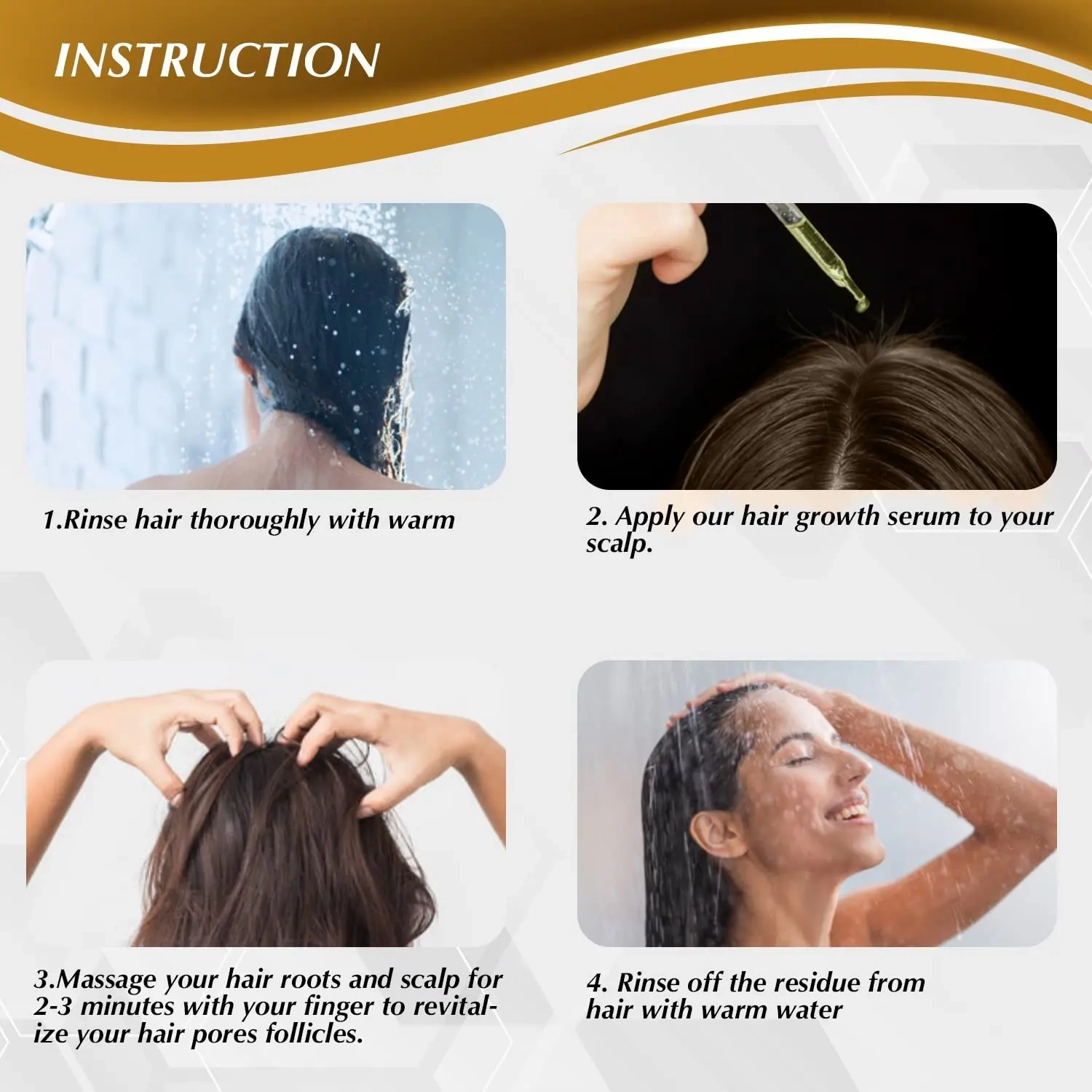
1. Wash and condition as needed. Rinse thoroughly, especially if residual conditioner tends to flatten the hair.
2. Remove excess water gently. Keep the hair damp enough to distribute the chosen product.
3. Begin with a small amount. Follow the product's directions rather than assuming every pump dispenses the same dose.
4. Spread the product between your hands. Apply mainly through mid-lengths and ends.
5. Encourage wave groups. Gently scrunch upward without repeatedly separating the forming sections.
6. Add hold only if needed. Test a lightweight gel or mousse when conditioning alone does not preserve the shape.
7. Allow the hair to dry with minimal disturbance. If using a diffuser, follow safe dryer practices and avoid unnecessary heat.
8. Assess before adding more. Check root lift, residue, softness, and wave retention.
For dry finishing, start with less serum than you expect to need. Add another small amount only to areas that still look rough.
Product comparison becomes more useful when application conditions are consistent.
On one wash day, apply serum to one side and cream to the other. Keep cleansing, drying, and any additional styling products the same.
Record the amount used. Take photographs immediately after drying and later that day under similar lighting.
Evaluate:
- Wave separation and shape.
- Root volume.
- Frizz around the outer layer.
- Softness and ease of handling.
- Greasy appearance or coated feel.
Repeat on another wash day, switching sides. This helps reduce the influence of naturally uneven wave patterns.
The test is a personal comparison, not laboratory proof. Nevertheless, it provides more useful information than judging products by texture in the palm of your hand.
| What you notice | Possible explanation | What to test next |
|---|---|---|
| Smooth hair with weak waves | Too much conditioning or insufficient hold | Reduce the conditioner dose; test a hold product separately |
| Greasy-looking sections | Excess product or uneven application | Use less and distribute more evenly |
| Rough ends with flat roots | Different needs across the hair length | Keep richer cream on the ends |
| Frizz after drying | Product mismatch, handling, damage, or environmental conditions | Change one variable at a time |
| Hair feels coated after repeated use | Residue from the overall routine | Review cleansing and product frequency |
| Flaking with layered products | Formula incompatibility or excessive application | Test each product alone, then reduce layering |
Avoid diagnosing every styling problem as "high porosity" or "protein overload." Appearance alone rarely identifies one definitive cause.
For brands developing private-label hair care, the strongest brief describes the desired result, not just the desired product category.
Instead of requesting "a premium serum," define the target user: fine strands, wavy texture, desired shine, acceptable fragrance, preferred packaging, and expected styling routine.
Useful development objectives include:
- Easy spreading at a small application amount.
- Reduced friction without an excessively coated feel.
- Compatibility with likely styling products.
- Clear instructions for wet and dry application.
- Packaging that supports controlled dispensing.
A proposed validation plan should distinguish safety and stability testing from performance testing. Formula stability, packaging compatibility, and suitable microbiological assessment address different questions from wave retention or combability.
Performance comparisons should use consistent doses and clearly described hair samples. Humidity-related claims need defined environmental conditions.
These are recommended development considerations, not a claim that a specific iHot formula has already passed every test. Brands should request the relevant documentation for their selected product and market.
The best product does not force customers to choose between smoothness and movement. It gives them predictable performance at a manageable dose.
For consumers, start with the smallest useful amount and evaluate conditioning separately from hold.
For brands, contact iHot Cosmetics to discuss a lightweight hair serum or targeted wave-care cream. Share your target customer, market, desired finish, packaging preferences, and claims. Request a formulation proposal, sample evaluation plan, and relevant quality documentation before finalizing production.
A lightweight serum is often the better starting point for smoothing without excessive conditioning. A richer cream may suit dry ends. Lasting definition may require a separate styling product.
It may improve the appearance of existing waves by smoothing strands. However, many serums provide little styling hold. Check the product's stated function and test the dried result.
Not automatically. Suitability depends on the formula, dose, and cleansing routine. A balanced silicone-containing product can be appropriate, while a silicone-free product can still feel heavy.
Yes, but begin with small amounts. Apply cream only where extra conditioning is needed and serum selectively for finishing. Evaluate whether combining them improves the result or simply adds residue.
Possible reasons include excessive product, overly rich conditioning, application near the roots, or insufficient hold. Reduce the amount first, then test other variables separately.
Define what lightweight means for the target customer, then evaluate it using suitable methods. Consumer assessments, standardized application, residue perception, and volume or wave-retention comparisons can support a carefully worded claim.
Hot Tags: China, Global, OEM, private label, manufacturers, factory, suppliers, manufacturing company


