
Views: 255 Author: iHot Cosmetics Publish Time: 2026-10-27 Origin: Site


Content Menu
● Korean Hydrating Sleep Mask vs Heavy Western Night Cream: The Short Answer
● Why Air-Conditioned Rooms Can Leave Skin Feeling Dry
● What a Korean Hydrating Sleeping Mask Can Do
>> Hydration With a Lightweight Finish
>> Where a Lightweight Formula May Fall Short
● What a Heavy Night Cream Can Do
>> Greater Protection Against Moisture Loss
>> Why Richer Is Not Always Better
● The Ingredient Framework That Makes This Comparison Useful
>> 1. Humectants: Attract and Bind Water
>> 2. Emollients: Improve Softness and Smoothness
>> 3. Occlusives: Limit Evaporative Water Loss
● A Practical Nighttime Routine for Air-Conditioned Bedrooms
● A Seven-Night Home Comparison Without Misleading Yourself
● What Real Customer Reviews Should—and Should Not—Tell You
● The iHot Cosmetics Perspective: Develop for Conditions, Not Just Trends
>> Is a sleeping mask better than night cream for dry skin?
>> Can I use a sleeping mask and night cream together?
>> Does air conditioning always damage the skin barrier?
>> Should I choose fragrance-free overnight skincare?
>> Can oily skin still feel dehydrated in an air-conditioned room?
>> When should I seek professional advice?
● Build an Overnight Moisturizer Around a Clear Consumer Need
At iHot Cosmetics, Guangzhou Aihuo Biotechnology Co., Ltd., we believe effective overnight skincare begins with understanding the environment in which a product will be used. Our company-provided profile describes more than 10 years of skincare, personal care, and hair care manufacturing experience, a 70,000-square-meter ISO-certified facility, 15 automated production lines, Class 100,000 cleanrooms, and OEM/ODM solutions trusted by more than 2,000 brands.
For anyone comparing a Korean hydrating sleep mask vs heavy Western night cream for dry skin in air-conditioned rooms, the practical answer is straightforward: formulation matters more than geography.
A lightweight sleeping mask may provide comfortable hydration. A richer night cream may provide better moisture retention for very dry skin. Neither category automatically wins, and some formulas combine the strengths of both.
The goal is not simply to wake up with a dewy finish. It is to keep skin comfortable through the night without unnecessary irritation or an unpleasantly heavy feel.

Choose according to your skin's condition and the product's complete formula—not its country-inspired positioning.
| Your main concern | Sensible starting point | What to check |
|---|---|---|
| Tightness without much flaking | Hydrating sleeping mask or balanced gel-cream | Humectants plus some moisture-sealing ingredients |
| Persistent dryness and rough patches | Rich cream | Humectants, emollients, and occlusives |
| Dry cheeks but an oily forehead | Targeted application | Richer care on dry areas, lighter care elsewhere |
| Sensitivity or frequent stinging | Simple, fragrance-free moisturizer | Tolerability rather than a long active-ingredient list |
| Dislike of greasy textures | Lightweight but protective formula | Comfortable finish with adequate moisture retention |
"Korean" and "Western" are broad marketing descriptions, not standardized formulation categories. A Korean sleeping mask can be rich and occlusive; a Western night cream can be lightweight.
Without testing two specific products, no credible comparison can establish that one entire category performs better.
Air conditioning can create a lower-humidity indoor environment, although the actual effect depends on the system, climate, and room conditions.
Your skin's outermost layer, the stratum corneum, helps regulate water movement. Its cells and surrounding lipids form a protective barrier. When environmental conditions challenge this system, skin may feel tight, rough, or uncomfortable.
Transepidermal water loss, or TEWL, describes water passing through the skin and evaporating. It is an important measurement, but it is not interchangeable with skin hydration. Humidity, temperature, barrier condition, and measurement conditions all influence how results should be interpreted.
This distinction matters: not every uncomfortable morning means your moisturizer has "failed," and not every air-conditioned bedroom produces the same skin response.
Assess the whole situation:
- Does dryness appear mainly after sleeping with the air conditioner running?
- Are your cheeks flaky, or does your face only feel temporarily tight?
- Have you recently introduced an exfoliant, retinoid, or stronger cleanser?
- Does the discomfort continue during the day?
These observations help separate an environmental problem from an irritating routine or an underlying skin condition.
A sleeping mask is generally a leave-on product intended for overnight use. The name does not guarantee a specific ingredient system or superior performance.
Many products positioned this way emphasize a fresh, cushiony texture and ingredients such as glycerin or hyaluronic acid. These humectants attract and bind water, helping increase hydration in the outer skin layers.
That can make a sleeping mask appealing when skin feels dehydrated but heavy textures feel uncomfortable.
Immediate softness does not necessarily mean lasting moisture retention.
A formula that emphasizes humectants but provides limited protection against evaporation may feel insufficient for very dry skin. However, this is a formulation issue—not an inevitable weakness of sleeping masks.
Check whether the product also contains emollients or occlusive ingredients. A balanced gel-cream may be more suitable than a watery mask chosen only because "hydrating" appears prominently on its label.
*Suggested visual: A three-part ingredient diagram showing water attraction, surface smoothing, and moisture retention.*
Rich creams commonly combine water-binding ingredients with oils, lipids, silicones, or other ingredients that help soften skin and reduce water loss.
This combination can suit people who wake up with persistent tightness or visible flaking. Dermatology guidance generally favors creams or ointments over lighter lotions for dry skin.
Still, thickness alone is not proof of effectiveness. A dense texture tells you how a product feels, not exactly how well it will perform on your face.
A heavy cream can feel greasy, transfer onto bedding, or simply discourage consistent use.
It may also contain fragrance or other ingredients that do not suit a particular person. A product marketed as nourishing is not automatically gentle.
For combination skin, applying the same thick layer everywhere may be unnecessary. A more practical approach is to use richer care where dryness occurs rather than treating the whole face identically.
Instead of choosing between regional skincare identities, look for three complementary functions.
Examples include glycerin and hyaluronic acid.
Humectants help increase water content in the outer skin layers. They are useful in both sleeping masks and night creams, but they do not tell the whole performance story.
The popular claim that hyaluronic acid inevitably "dries out skin" in air-conditioned rooms is too simplistic. Its effect depends on the complete formulation and conditions of use.
Examples include squalane and many cosmetic oils and esters.
Emollients help improve the feel of rough skin. Some ingredients perform more than one function, so ingredient categories should be treated as helpful explanations rather than rigid boundaries.
Examples include petrolatum, mineral oil, and dimethicone.
Occlusive ingredients create a protective film that helps reduce water evaporation. The finished product does not need to feel extremely greasy to provide some occlusive benefit.
Ceramides are also relevant because they are components of the skin's barrier lipids. However, the presence of "ceramide" on a label does not establish how much is included or prove a finished product's effectiveness.
A complicated routine is not necessary. Start with fewer products so you can identify what helps.
1. Cleanse gently.
Use lukewarm water and avoid scrubbing already dry areas.
2. Apply moisturizer while skin is slightly damp.
This helps retain water remaining after washing. Skin should not be dripping wet.
3. Choose one main overnight moisturizer.
Start with either a balanced sleeping mask or a cream rather than layering several unfamiliar products.
4. Adjust by facial area.
Apply a little more to dry cheeks and less where a heavy finish feels uncomfortable.
5. Follow the product's directions.
Some sleeping masks replace moisturizer; others are intended as a final step.
6. Review your surroundings.
Notice whether direct airflow and changes in room conditions coincide with discomfort. A room hygrometer can help document humidity rather than relying on guesswork.
If dryness persists despite a gentle routine, avoid repeatedly adding stronger products in search of a quick fix.
A short comparison can reveal texture preferences and everyday comfort. It cannot establish clinical superiority or diagnose a skin problem.
Test one product at a time, keeping your cleanser and other routine steps as consistent as practical. Record:
- Morning tightness.
- Visible flaking.
- Stinging or itching.
- Greasy residue.
- Overall comfort.
- Bedroom conditions and air-conditioner use.
Use a simple zero-to-five scale for subjective symptoms. Photographs taken in similar lighting may help document visible changes.
Do not intentionally continue through irritation to complete the comparison. Stop a product that causes a concerning reaction.
Seven nights may identify an obviously uncomfortable texture, but it is too short to promise lasting barrier improvement or assess every possible breakout response.
Reviews are useful when they describe conditions clearly.
"Comfortable after a full night with the air conditioner running" provides more context than "amazing hydration." Even so, one person's experience cannot establish what another person will experience.
When assessing feedback, look for:
- The reviewer's skin type and sensitivity.
- How long the product was used.
- Other products applied alongside it.
- Whether the review concerns texture, comfort, or a measured result.
- Disclosure of gifted products or incentives.
No customer testimonials are reproduced here because verified review material was not supplied.
For brands, this is an opportunity to improve review collection: ask specific, neutral questions instead of encouraging only positive statements. Report negative experiences alongside positive ones where appropriate.
For OEM/ODM projects, we would begin with a clearer brief than "make a Korean-style sleeping mask" or "make a heavy night cream."
A useful development brief defines the target user, expected environment, preferred finish, sensitivity considerations, packaging, and intended claims.
Two possible directions are:
- A lightweight overnight gel-cream combining humectants with a comfortable moisture-retention system.
- A richer cream prioritizing dry-skin comfort without unnecessary heaviness.
Neither direction should carry claims such as "24-hour hydration," "clinically proven," or "repairs the barrier overnight" without appropriate finished-product evidence.
A proposed evaluation plan could combine instrumental hydration measurements, TEWL assessment under controlled conditions, and structured user feedback. Stability, microbiological quality, packaging compatibility, and preservation also belong in the development process.
These are recommended project considerations, not a claim that every iHot product has already undergone those tests.
Manufacturing certifications support confidence in relevant systems and processes. They do not independently prove that a particular formula outperforms another.
Not automatically. For persistent dryness, a cream with a balanced moisturizing system is often a sensible starting point. A sufficiently protective sleeping mask may also work well.
Sometimes, but layering is not always necessary. Follow the directions and introduce one product at a time. More layers do not guarantee better results.
No. Effects vary with humidity, exposure, individual skin condition, and skincare habits. Air conditioning alone does not establish that barrier damage has occurred.
Fragrance-free products are a reasonable starting point for dry or sensitive skin. They reduce one potential source of irritation, although they cannot guarantee universal tolerance.
Yes. Oiliness and water content are different characteristics. A lightweight moisturizer with both hydration and moisture-retention functions may feel more comfortable than a very rich cream.
Seek medical advice for persistent redness, significant itching, cracking, bleeding, or worsening symptoms. Cosmetic moisturizers should not be presented as substitutes for diagnosing or treating skin disease.
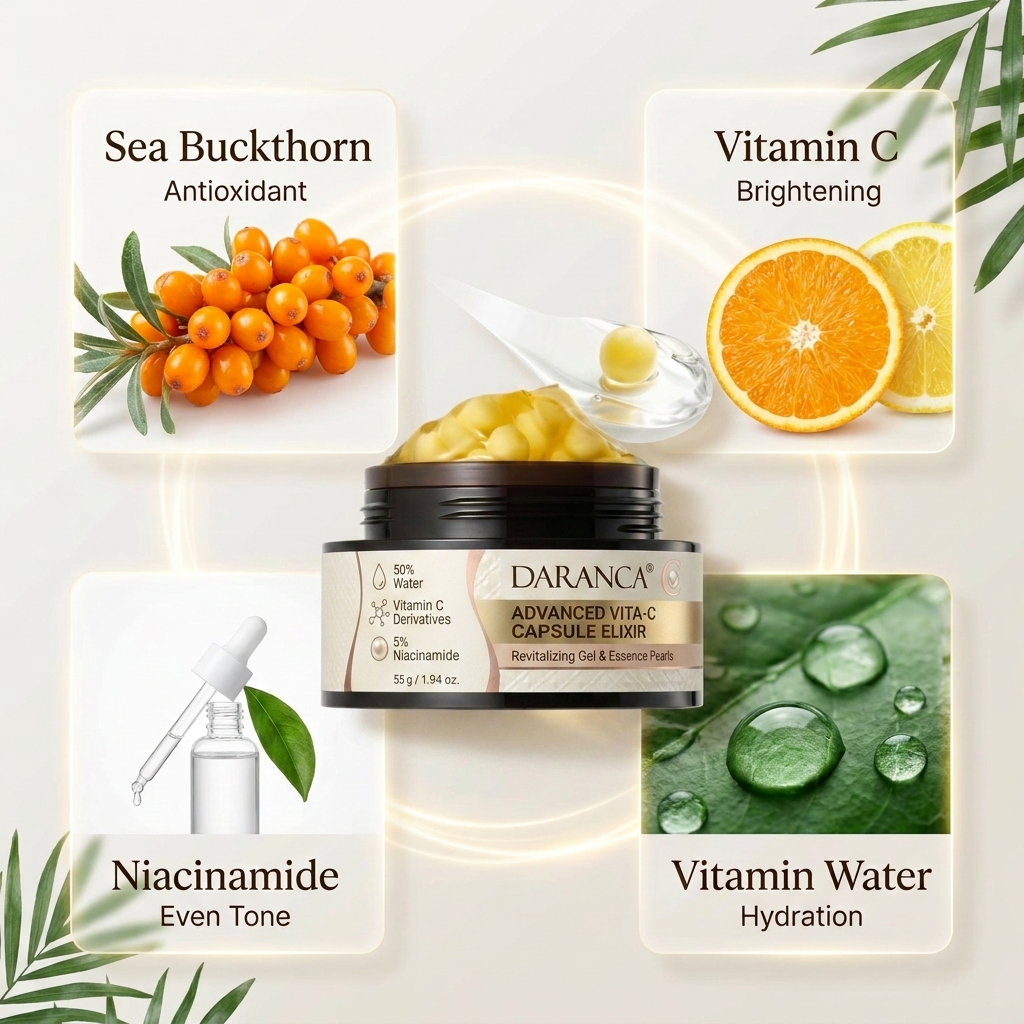
The strongest product concept is not "Korean versus Western." It is overnight hydration and moisture retention matched to real skin needs, supported by tolerability and credible testing.
For brands developing an overnight skincare range, contact iHot Cosmetics with your target market, preferred texture, ingredient requirements, packaging concept, and intended claims. Request an OEM/ODM formulation discussion and a proposed sample-evaluation plan before committing to production.
Hot Tags: China, Global, OEM, private label, manufacturers, factory, suppliers, manufacturing company


