
Views: 257 Author: iHot Cosmetics Publish Time: 2026-11-13 Origin: Site


Content Menu
● Keratin Hair Treatment vs Deep Cleansing Scalp Serums: The Quick Answer
● Why Hair Can Be Frizzy While the Roots Are Oily
>> Separate Oiliness, Buildup, and Scalp Irritation
● What a Keratin Hair Treatment Can—and Cannot—Do
>> Keratin Masks, Conditioners, and Leave-Ins
>> Salon Keratin Smoothing Is a Different Decision
● What Deep Cleansing Scalp Serums Actually Do
>> Exfoliating Serums Versus Cleansing Products
>> Avoid the "Stronger Means Better" Trap
● How to Choose for Your Hair Type
● A Practical Routine for Oily Roots and Frizzy Lengths
>> Step 1: Establish Appropriate Washing Frequency
>> Step 2: Focus Shampoo on the Scalp
>> Step 3: Condition Where Hair Needs It
>> Step 4: Introduce a Scalp Serum Only if Needed
>> Step 5: Reduce Styling Stress
● Track Results Without Confusing Shine With Scalp Health
● How iHot Cosmetics Approaches OEM/ODM Development
>> Is keratin treatment good for oily roots?
>> Can a scalp serum replace shampoo?
>> Can I use a keratin product and a scalp serum together?
>> How often should I use a deep cleansing scalp serum?
>> Will scalp exfoliation stop sebum production?
>> When should I see a dermatologist?
At iHot Cosmetics, we approach Keratin Hair Treatment vs Deep Cleansing Scalp Serums for Frizzy Hair with Oily Roots as a two-zone care challenge—not a competition between interchangeable products. Your scalp needs appropriate cleansing, while your lengths may need conditioning and protection.
iHot Cosmetics, operated by Guangzhou Aihuo Biotechnology Co., Ltd., provides OEM/ODM solutions for skincare, personal care, and hair care. According to our company profile, our manufacturing capabilities include more than 10 years of experience, a 70,000-square-meter ISO-certified facility, 15 automated production lines, and Class 100,000 cleanrooms. Our GMP-certified manufacturing operation serves more than 2,000 brands worldwide.
Our starting point is straightforward: choose the product for the problem and the application area. Keratin-based conditioners can improve hair feel and manageability. Scalp-focused products may help address surface buildup. Neither automatically solves both concerns.
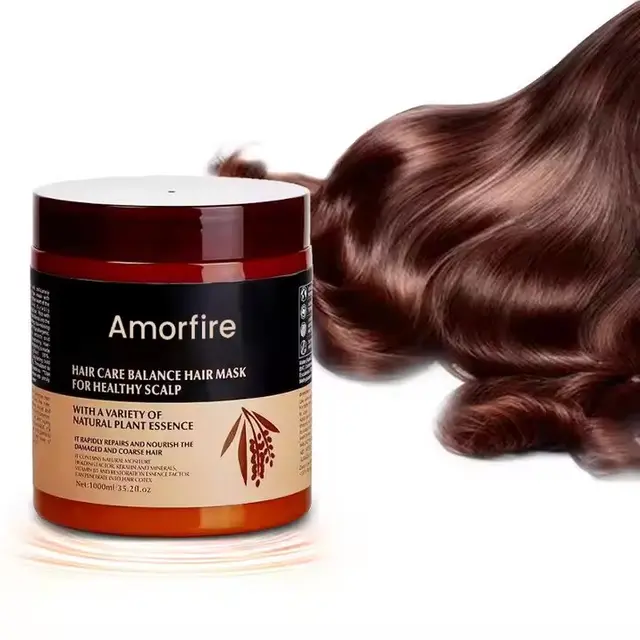
For oily roots, begin with an appropriate scalp-cleansing routine. For frizzy lengths, add targeted conditioning. A scalp serum is optional, not an automatic replacement for shampoo.
| Comparison | Keratin hair treatment | Deep cleansing scalp serum |
|---|---|---|
| Main target | Hair lengths and ends | Scalp |
| Main purpose | Smoother feel and easier styling | Formula-dependent exfoliation or buildup management |
| Typical format | Mask, conditioner, leave-in, or salon service | Pre-shampoo, rinse-off, or leave-on serum |
| Helps oily roots? | Not directly; heavy application may feel greasy | May help some buildup concerns, but does not necessarily reduce sebum production |
| Helps frizz? | Conditioning formulas may improve manageability | Does not replace conditioning on dry lengths |
| Main caution | Distinguish conditioning products from heat-activated straightening services | Avoid unnecessary exfoliation and follow application instructions |
The most useful solution is often two-zone care: cleanse the scalp and condition the lengths.
An oily scalp and dry-feeling ends are not contradictory.
Sebum originates at the scalp. Longer hair, curls, styling practices, and differences in product distribution can leave the roots feeling greasy while the lengths remain rough or difficult to manage.
Frizz also does not identify one single problem. Natural texture, friction, heat styling, and inadequate conditioning can all influence how hair looks and behaves.
Before adding another treatment, distinguish the concern:
- Greasy roots suggest a need to review washing frequency and product placement.
- A coated or heavy feeling may justify reviewing styling-product residue and rinsing.
- Persistent itching, redness, or scaling requires more than a cosmetic "detox" assumption.
These concerns can overlap. A scalp that feels uncomfortable is not necessarily asking for stronger exfoliation.
For consumers, this distinction prevents unnecessary purchases. For brands, it supports clearer instructions and more credible product claims.
"Keratin treatment" describes different product categories. That makes the label less informative than the formula and directions.
At-home keratin products generally belong to a conditioning routine. Their overall performance depends on the complete formula, rather than the presence of keratin alone.
For frizzy hair with oily roots, evaluate:
- Whether hair feels smoother without losing volume.
- Whether detangling becomes easier.
- Whether the product rinses cleanly.
- Whether repeated use leaves an unwanted coated feeling.
Apply according to the label, keeping richer conditioning products away from oily roots when appropriate for your hair type.
Do not assume "keratin" means permanent repair, guaranteed straightening, or scalp oil control.
A heat-activated smoothing service is not equivalent to using a keratin conditioner.
Some smoothing products contain or release formaldehyde during heating. Exposure can irritate the eyes, skin, and respiratory system.
Before booking a service, ask the stylist:
1. Which exact product will be used?
2. Does it contain or release formaldehyde when heated?
3. What ventilation and exposure controls are in place?
4. Is the service appropriate for your hair's condition and treatment history?
A marketing name alone is not enough to evaluate safety.
"Deep cleansing scalp serum" is a marketing category, not a standardized formula.
One product may be a rinse-off exfoliating treatment. Another may be a leave-on moisturizer. Their instructions and expected benefits can differ substantially.
Some scalp treatments contain exfoliating ingredients such as salicylic acid. Salicylic acid also appears in certain dandruff shampoos.
However, evidence supporting an ingredient in a medicated shampoo does not automatically validate every cosmetic serum containing it.
A useful product assessment asks:
- What is the intended benefit?
- Is it rinse-off or leave-on?
- How frequently should it be used?
- Has the finished formula been evaluated for that claim?
Do not assume a leave-on serum physically removes oil in the same way that shampooing and rinsing do.
An oily scalp does not automatically need acids, abrasive scrubs, and repeated clarifying treatments.
Adding multiple intensive products together makes it harder to identify the cause if irritation develops.
Start with a suitable shampoo routine. Add a scalp treatment only when there is a clear reason and the product instructions fit your needs.
Persistent dandruff may require an appropriate anti-dandruff treatment rather than a general-purpose cosmetic serum.
The right choice depends on where the problem appears and what you want to change.
| Your main concern | Practical starting point |
|---|---|
| Oily roots with manageable lengths | Review shampoo frequency and root-level product use |
| Oily roots with dry, frizzy ends | Scalp-focused washing plus conditioning on lengths |
| Fine hair that becomes flat after masks | Try a lighter formula and use less |
| Curly hair with scalp oiliness | Cleanse the scalp while preserving conditioning through the lengths |
| Persistent itching or visible inflammation | Seek professional assessment rather than escalating cosmetic exfoliation |
| Desire for a longer-lasting smoothing service | Review product safety and hair suitability with a qualified stylist |
From a product-development perspective, texture matters as much as the headline ingredient. A formula can deliver a pleasant conditioned feel yet still be unsuitable for someone seeking lightweight root volume.
Change one part of your routine at a time. This makes the results easier to interpret.
Wash according to how oily or dirty your scalp becomes.
Some people with fine or straight hair and oily scalps may need frequent washing, potentially daily. Curly or coarser hair often needs a different schedule.
Avoid forcing every hair type into the same "wash less" rule.
Apply shampoo primarily to the scalp rather than aggressively scrubbing the entire hair length.
Rinse thoroughly. Product left behind can contribute to discomfort and make it difficult to judge whether the routine is working.
For fine or straight hair, concentrate conditioner on the ends. Dry or curly hair may need conditioning across more of the length.
Choose a lightweight conditioner first if richer masks consistently leave your hair flat.
Follow the product's specified amount, contact time, frequency, and rinse instructions.
Do not invent a universal weekly schedule. Stop using the product if it causes irritation.
If you have recently received a professional smoothing service, check compatibility with the provider before introducing exfoliating treatments.
Detangle gently. Limit excessive heat and use appropriate heat protection when styling.
A stronger smoothing treatment cannot compensate for a routine that repeatedly creates friction or heat-related damage.
A useful home evaluation separates scalp comfort from hair appearance.
For a simple two-week observation period, record:
- When roots begin to look greasy after washing.
- Whether the scalp feels comfortable.
- How easily the lengths detangle.
- Whether frizz changes under similar styling conditions.
- Whether hair feels coated, stiff, or unusually flat.
This is a personal comparison, not a clinical trial. Keep other products and styling habits as consistent as practical.
Take photographs in similar lighting. Avoid judging a formula from one unusually humid day or one salon blow-dry.
For brands, the same principle matters: consumer perception, laboratory measurements, and clinical outcomes are different types of evidence. Claims should identify which type supports them.
For brands developing products for oily roots and frizzy lengths, our recommended brief starts with consumer behavior rather than an ingredient trend.
A coordinated range could include:
1. A scalp-focused shampoo with clear washing instructions.
2. An optional scalp treatment with a precisely defined purpose.
3. A lightweight conditioner or keratin-containing mask for the lengths.
This is a development concept, not a claim that every consumer needs all three.
Before commercialization, establish appropriate safety, stability, packaging-compatibility, and claim-support requirements for the finished products and target markets.
Claims such as "reduces greasy appearance," "improves combability," and "controls frizz" need different supporting assessments. Manufacturing certifications do not, by themselves, prove any of those outcomes.
Contact iHot Cosmetics with your target market, customer hair profile, preferred texture, packaging requirements, and intended claims. Request a tailored OEM/ODM consultation and sampling plan for a scalp-and-length care system.
It is not a direct treatment for scalp oiliness. Conditioning products may help the lengths, but rich formulas applied near the roots can leave some hair feeling heavier.
Not automatically. A leave-on serum may remain on the scalp rather than remove oil and residue through washing. Follow the product's intended use.
Often they can occupy different parts of a routine. Apply each only as directed. Check compatibility after professional smoothing services and avoid introducing several new treatments simultaneously.
There is no universal frequency. Formula strength, application format, scalp tolerance, and label instructions matter. More frequent use is not necessarily more effective.
Do not assume it will. Removing surface buildup is different from demonstrating a reduction in sebum production. Any oil-control claim needs suitable finished-product evidence.
Seek advice for persistent itching, redness, painful areas, substantial scaling, or unexpected hair loss. These symptoms should not simply be treated as cosmetic buildup.
1. American Academy of Dermatology Association. "Tressed to impress: tips for keeping your mane magnificent." Guidance on washing frequency, scalp-focused shampooing, conditioning placement, and heat protection. [aad]
2. American Academy of Dermatology Association. "6 curly hair care tips from dermatologists." Guidance on cleansing, conditioning, detangling, and reducing friction for curly hair. [aad]
3. American Academy of Dermatology Association. "How to treat dandruff." Guidance on dandruff-shampoo ingredients, application instructions, and adapting treatment to hair type. Ingredient guidance does not establish the efficacy of an untested cosmetic serum. [aad]
4. American Academy of Dermatology Association. "10 reasons your scalp itches and how to get relief." Background on scalp irritation, product reactions, and the importance of identifying the cause. [aad]
5. U.S. Food and Drug Administration. "Hair Smoothing Products That Release Formaldehyde When Heated." Safety information on heated smoothing products, formaldehyde-related ingredients, and exposure risks. [fda]
6. U.S. Food and Drug Administration. "Formaldehyde in Hair Smoothing Products: What You Should Know." Consumer guidance on checking ingredients and discussing smoothing-product safety with salon professionals. [fda]
7. iHot Cosmetics / Guangzhou Aihuo Biotechnology Co., Ltd. Company information supplied for this article: manufacturing experience, facility size, production lines, cleanroom classification, certifications, OEM/ODM scope, and brand relationships. No public supporting documents or customer reviews were supplied; these details require company verification before publication.
Hot Tags: China, Global, OEM, private label, manufacturers, factory, suppliers, manufacturing company


