
Views: 246 Author: iHot Cosmetics Publish Time: 2026-10-20 Origin: Site


Content Menu
● Intense Face Cream vs Face Serum Blend: What Is the Real Difference?
● Why Prescription Retinoids Can Leave Skin Dry and Uncomfortable
● Why a Cream Usually Comes First for Retinoid Dryness
>> Hydration and moisture retention are complementary
>> Clinical evidence supports gentle moisturizing care
● When a Face Serum Blend Can Add Value
● Choosing Ingredients Without Falling for Marketing Claims
>> Keep avoidable irritants out of the brief
● A Practical Routine for Dryness Caused by Topical Retinoids
>> Morning: cleanse gently, moisturize, protect
>> Evening: prioritize correct prescription use
● A Simple Decision Framework: Cream, Serum, or Both?
● Turning Consumer Feedback Into Better Product Development
● FAQs: Face Cream and Serum for Prescription Retinoid Dryness
>> Is an intense face cream better than a serum for tretinoin dryness?
>> Can I use hyaluronic acid with a prescription retinoid?
>> Should I apply moisturizer before or after tretinoin?
>> Is peeling a sign that I need a stronger serum?
>> Can acne-prone skin use a rich moisturizer?
>> When should I contact my prescriber?
● Develop a Comfort-Focused Skincare Range With iHot Cosmetics
At iHot Cosmetics, Guangzhou Aihuo Biotechnology Co., Ltd., we approach "Intense Face Cream vs Face Serum Blend for Easing Dryness Caused by Prescription Retinoids" with one practical priority: comfort. For skin experiencing dryness and flaking, a well-formulated cream is usually the more useful starting point. A gentle hydrating serum can complement it, but does not automatically replace its moisture-retaining function.
Our company profile includes more than 10 years of skincare, personal-care, and hair-care manufacturing experience, a 70,000-square-meter ISO-certified facility, 15 automated production lines, and a Class 100,000 cleanroom. With GMP-certified manufacturing and OEM/ODM solutions serving more than 2,000 brands, we help translate product concepts into commercially viable formulations.
However, manufacturing capability and clinical evidence serve different purposes. This guide explains formulation choices, not prescription changes. Anyone experiencing significant irritation should consult their prescribing clinician.
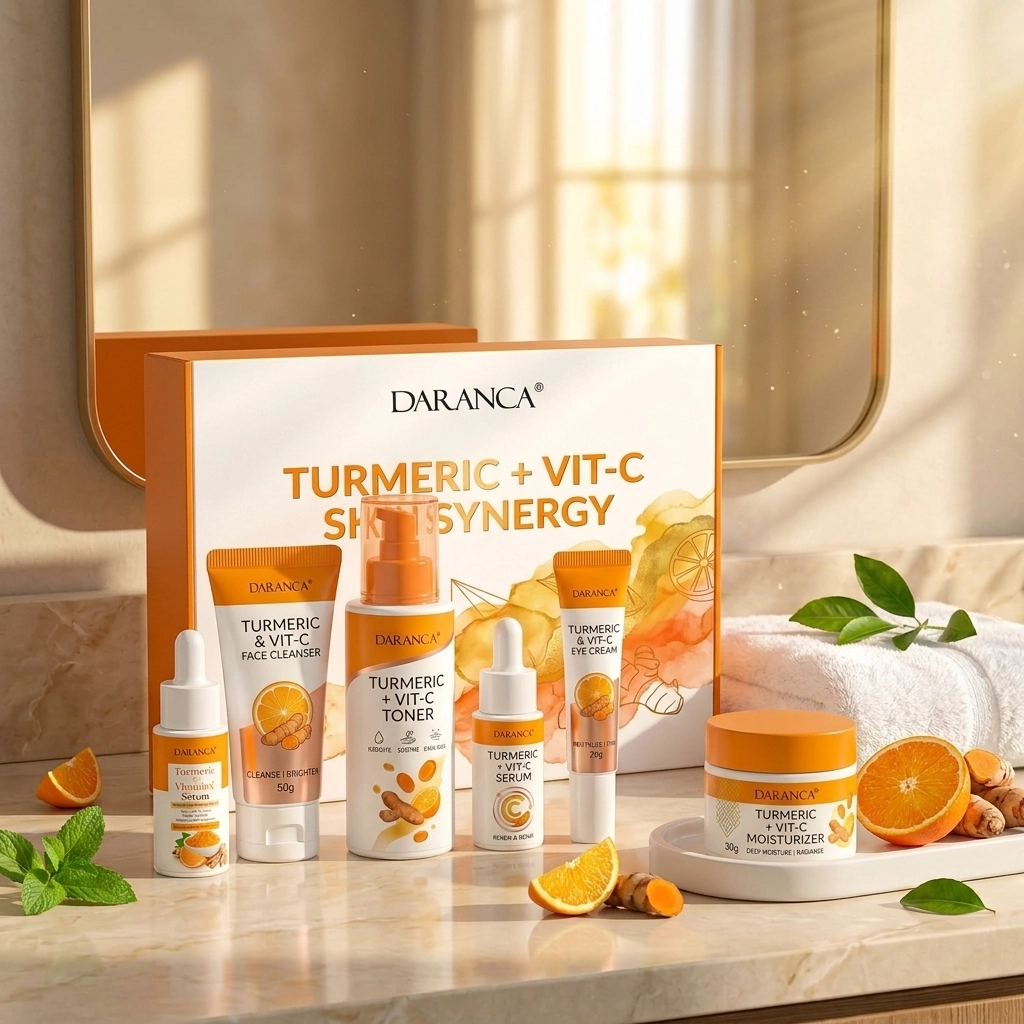
"Intense face cream" and "face serum blend" are marketing descriptions, not standardized medical categories. Their usefulness depends on the finished formula.
A cream typically combines water-binding ingredients with emollients and ingredients that reduce moisture loss. A serum often emphasizes lightweight hydration, although some serum emulsions also contain oils and barrier-supporting ingredients.
For retinoid-related dryness, the useful question is not "Which sounds more advanced?" It is "Which formula provides adequate hydration and moisture retention without adding irritation?"
| Comparison | Intense face cream | Hydrating face serum blend |
|---|---|---|
| Typical strength | Combines hydration with moisture retention | Adds lightweight hydration |
| Common ingredients | Glycerin, ceramides, dimethicone, oils | Glycerin, hyaluronic acid, other humectants |
| Texture | Usually richer, but varies | Usually lighter, but varies |
| Best starting role | Primary moisturizer for dry, flaky skin | Optional supporting layer |
| Main limitation | May feel heavy or pill under other products | May be insufficient alone |
| Selection priority | Comfortable, fragrance-free finished formula | Simple formula without unnecessary actives |
A thoughtfully formulated lightweight cream can outperform a heavy but irritating product. Likewise, a complex serum is not necessarily better than a simple moisturizer.
Topical prescription retinoids, including tretinoin, can cause dryness, peeling, redness, burning, and stinging. These effects may be particularly noticeable when treatment begins or when the routine includes other irritating products.
Dryness is not proof that treatment is working better. Nor should severe irritation be dismissed as an unavoidable adjustment phase.
A useful distinction is between mild dryness that responds to supportive care and symptoms requiring professional advice. Persistent burning, pronounced swelling, blistering, crusting, or severe discomfort warrant contact with the prescriber.
This article focuses primarily on topical retinoid routines. Oral isotretinoin has different prescribing requirements, and its skincare guidance should be individualized.
A moisturizer can help put water into the outer skin layers and reduce water loss. These functions work together.
Humectants such as glycerin and hyaluronic acid support hydration. Emollients soften rough-feeling skin. Occlusive ingredients, including dimethicone or petrolatum, help limit moisture loss.
A hydrating serum may address only part of that system. If skin feels temporarily refreshed but becomes tight again, the routine may need better moisture retention rather than another serum.
A small published study involving 30 people using either oral isotretinoin or topical tretinoin evaluated moisturizer application to one side of the face for 15 days. The moisturized side showed improvements in dryness, roughness, and peeling.
That finding supports moisturizer use as adjunctive care. It does not establish that every cream works equally well, prove superiority over every serum, or validate an untested private-label formulation.
From a manufacturing perspective, this distinction matters: evidence for an ingredient or product category cannot automatically become a performance claim for a new finished product.
A hydrating serum can be useful when a comfortable cream still leaves skin feeling dehydrated, or when consumers prefer a lightweight hydration layer.
Look for a straightforward formulation rather than a long list of fashionable actives.
Potentially useful features include:
- Humectants such as glycerin or hyaluronic acid.
- A fragrance-free composition.
- A texture that layers without excessive rubbing.
- Clear instructions for use alongside moisturizer.
- No additional retinol or exfoliating ingredients unless professionally advised.
"Blend" should describe purposeful formulation, not unnecessary complexity.
A serum that stings, pills, or makes the routine harder to maintain offers little practical advantage. Adding more products is not automatically a solution to irritation.
Ceramides are relevant to barrier-focused moisturizer design, while glycerin and hyaluronic acid are familiar hydration ingredients. Dimethicone and petrolatum can contribute moisture-retaining properties.
However, an ingredient list alone cannot establish how comfortable or effective a product will be. Concentrations, ingredient combinations, texture, preservation, and application conditions all matter.
For consumers, the goal is a moisturizer that feels comfortable and works consistently. For brands, the goal is a finished formula supported by appropriate testing.
During an uncomfortable adjustment period, simplify the routine.
Potential problems include fragranced products, abrasive scrubs, strongly drying cleansers, and unnecessary exfoliating treatments. Additional retinol products can also complicate a prescription retinoid routine.
Not every ingredient containing the word "alcohol" behaves identically. Ingredient assessment should distinguish drying solvent systems from fatty alcohols used in cream formulation.
Avoid treating "natural," "clean," or "intensive" as substitutes for demonstrated tolerability.
The prescription label and clinician's instructions take priority over general skincare advice.
1. Cleanse gently without scrubbing.
2. Apply a tolerated hydrating serum if it genuinely adds comfort.
3. Follow with a suitable moisturizer.
4. Use sunscreen and follow the medication's sun-protection instructions.
If the routine feels uncomfortable, simplify rather than adding more corrective products.
1. Remove sunscreen and cleanse gently.
2. Let the skin dry before applying tretinoin, following the product instructions.
3. Apply the prescribed amount to the instructed areas.
4. Use moisturizer according to the prescriber's recommended sequence.
Some clinicians recommend moisturizer before and after the prescription—a "sandwich" approach. Its suitability depends on the medication, formulation, and individual treatment plan.
Do not mix prescription medication directly into a serum or cream unless specifically instructed. That makes consistent application harder to control.
If dryness becomes difficult to tolerate, ask the prescriber whether application frequency, formulation, or other parts of the routine need adjustment.
Use the skin's response, not product prestige, to guide the choice.
| Situation | Practical starting point |
|---|---|
| Tightness and visible flaking | Prioritize a gentle cream |
| Comfortable skin that still feels dehydrated | Consider a hydrating serum beneath moisturizer |
| Oily skin with dry patches | Try a lighter cream rather than assuming serum alone is enough |
| Products sting on application | Simplify and seek advice if symptoms persist |
| Swelling, blistering, or severe burning | Contact the prescribing clinician |
Introduce one new cosmetic product at a time. This makes it easier to identify which addition improves comfort and which causes problems.
An expensive multi-step routine is not inherently better than a well-tolerated cleanser, moisturizer, and sunscreen.
No verified customer reviews were supplied for this article. The following are illustrative feedback themes, not testimonials or documented findings about iHot products.
For OEM/ODM development, useful consumer feedback should connect an experience to a formulation question:
- Tightness returning after application: Is moisture retention adequate?
- Heavy or greasy feel: Can the texture improve without sacrificing comfort?
- Stinging: Does the formula need further tolerability assessment?
- Pilling under sunscreen: Are the products compatible in realistic routines?
- Difficult spreading: Does application require too much rubbing?
These observations can guide development, but they do not diagnose a skin condition.
A strong feedback process records the full routine, application amount, timing, and user characteristics. Otherwise, a complaint about one product may actually reflect interactions across several products.
A gentle cream is usually the more practical starting point for dry, flaky skin because it can combine hydration and moisture retention. A serum may provide additional hydration, but its texture and ingredients determine whether it is sufficient alone.
A simple hyaluronic acid product may fit a supportive routine if tolerated. Avoid assuming that every hyaluronic acid serum is gentle: some also contain fragrance or additional actives. Follow it with moisturizer when more moisture retention is needed.
Follow the instructions for your medication and your clinician's advice. Moisturizer timing can be individualized. Do not assume a routine recommended for one prescription formulation applies identically to another.
No. Peeling can be an irritation effect of retinoid treatment. Adding stronger actives may worsen discomfort. Prioritize a simple moisturizing routine and seek advice when peeling is severe, persistent, or accompanied by significant burning.
Yes, but the finished formula matters more than richness alone. Choose a product suited to acne-prone skin and monitor tolerance. A noncomedogenic label may help selection, but cannot guarantee that an individual will never develop breakouts.
Contact the prescriber for severe or persistent irritation, substantial pain, swelling, blistering, crusting, or symptoms that interfere with normal use. Ask about treatment adjustments rather than trying to cover significant reactions with additional cosmetics.
For brands, the opportunity is not simply another "intense" cream or complicated serum. It is a clearly positioned, easy-to-use product with realistic claims and an appropriate evidence plan.
Contact iHot Cosmetics with your target market, preferred texture, packaging requirements, and intended claims. Request an OEM/ODM development discussion for a moisturizing cream, hydrating serum, or coordinated companion-care range.
Hot Tags: China, Global, OEM, private label, manufacturers, factory, suppliers, manufacturing company


