
Views: 220 Author: cosmeticsinhot Publish Time: 2025-12-12 Origin: Site


Content Menu
● Understanding Hand and Foot Care
>> The Importance of Hand and Foot Care
>> Common Issues Faced by Hands and Feet
● Types of Hand and Foot Care Products
>> Moisturizers
>> Exfoliators
>> Treatments
● Creating a Hand and Foot Care Routine
>> Daily Care
>> Weekly Care
Caring for our hands and feet is essential for maintaining overall health and well-being. With a plethora of products available on the market, it can be overwhelming to choose the right ones. This guide will help you navigate through the various options, comparing hand and foot care products based on ingredients, effectiveness, and personal needs.
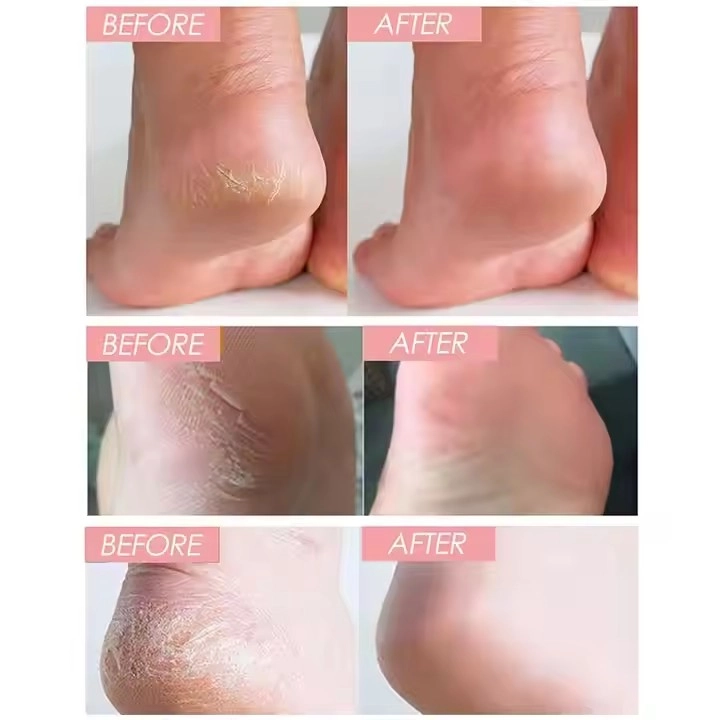
Our hands and feet are often neglected in our daily skincare routines. However, they are exposed to various environmental factors, such as harsh weather, chemicals, and physical stress. Proper care can prevent issues like dryness, cracking, and infections, ensuring that they remain healthy and functional.
Before diving into product comparisons, it's crucial to understand the common problems that hand and foot care products aim to address:
- Dryness: Environmental factors and frequent washing can lead to dry skin.
- Cracking: Lack of moisture can cause painful cracks, especially on heels and palms.
- Calluses: Thickened skin can develop due to friction and pressure.
- Fungal Infections: Feet are particularly susceptible to fungal infections due to moisture and warmth.
- Nail Health: Weak or brittle nails can be a sign of nutritional deficiencies or improper care.
Moisturizers are essential for hydrating the skin. They come in various forms, including creams, lotions, and balms. When comparing moisturizers, consider the following:
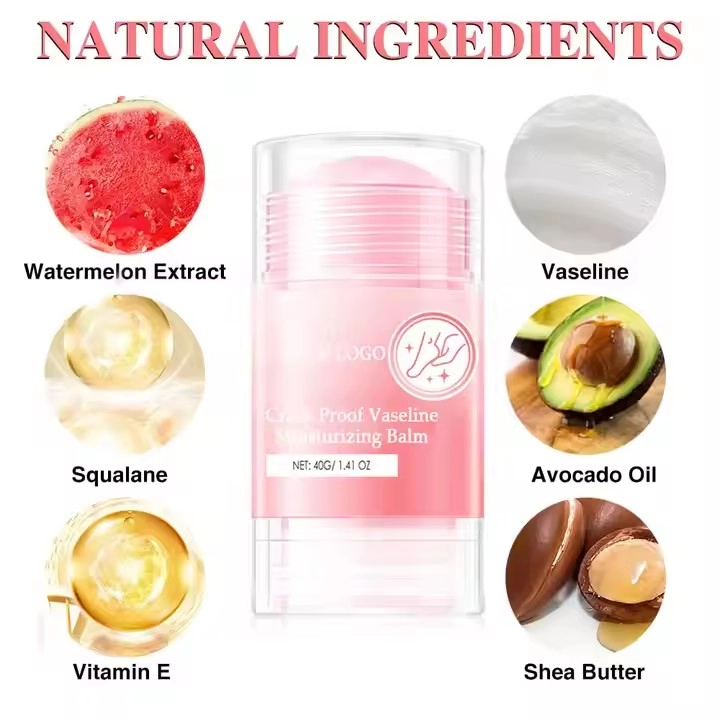
- Ingredients: Look for products containing natural oils (like coconut or almond oil), shea butter, or glycerin, which are known for their hydrating properties.
- Texture: Creams are thicker and more suitable for extremely dry skin, while lotions are lighter and absorb quickly.
- Fragrance: Some people prefer unscented products, especially if they have sensitive skin.
Exfoliation helps remove dead skin cells, promoting smoother skin. There are two main types of exfoliators:
- Physical Exfoliators: These contain small particles that manually scrub away dead skin. Look for gentle options to avoid irritation.
- Chemical Exfoliators: These use acids (like alpha-hydroxy acids) to dissolve dead skin. They can be more effective for deeper exfoliation but may require patch testing for sensitive skin.
Specific treatments target particular issues, such as:
- Cracked Heel Creams: Formulated with urea or salicylic acid to soften and heal cracked skin.
- Nail Strengtheners: Products designed to fortify weak nails, often containing proteins or vitamins.
- Fungal Treatments: Antifungal creams or sprays that help combat infections.
Soaking your hands and feet can provide deep hydration and relaxation. Look for products that include:
- Epsom Salt: Known for its soothing properties, it can help relieve soreness.
- Essential Oils: Oils like tea tree or lavender can enhance the experience and provide additional benefits.
When comparing hand and foot care products, the ingredient list is your best friend. Here's how to analyze it:
- Natural vs. Synthetic: Natural ingredients are often gentler on the skin, but some synthetic ingredients can be effective as well. Research the benefits of each.
- Active Ingredients: Identify key active ingredients that target your specific concerns. For example, if you have dry skin, look for products with hyaluronic acid or ceramides.
- Allergens: Be aware of any potential allergens, especially if you have sensitive skin.
Researching the brand can provide insight into product quality. Consider:
- Reviews and Ratings: Look for customer feedback on various platforms to gauge effectiveness.
- Transparency: Brands that disclose their ingredient sourcing and manufacturing processes tend to be more trustworthy.
- Certifications: Look for certifications like cruelty-free, organic, or dermatologically tested.
Price can be a significant factor in your decision-making process. However, higher prices do not always equate to better quality. Consider:
- Value for Money: Assess the quantity and quality of the product relative to its price.
- Trial Sizes: Some brands offer trial sizes, allowing you to test products without a significant financial commitment.
Ultimately, personal preferences play a crucial role in product selection. Consider:
- Scent: Choose scents that you enjoy, as this can enhance your overall experience.
- Packaging: Functional and aesthetically pleasing packaging can make a difference in your daily routine.
- Application Method: Some products may require more effort to apply than others. Choose what fits best into your lifestyle.
Establishing a daily routine is essential for maintaining healthy hands and feet. Here's a simple regimen:
1. Wash: Use a gentle cleanser to wash your hands and feet daily.
2. Moisturize: Apply a suitable moisturizer immediately after washing to lock in moisture.
3. Protect: Use gloves when doing household chores and wear appropriate footwear to protect your feet.
Incorporate weekly treatments to enhance your routine:
- Exfoliate: Use a physical or chemical exfoliator once a week to remove dead skin.
- Soak: Treat yourself to a relaxing soak with Epsom salt and essential oils.
- Nail Care: Trim and file your nails regularly, and consider using a nail strengthener.
Your hand and foot care routine may need adjustments based on the season:
- Winter: Focus on heavy moisturizers and treatments for cracked skin.
- Summer: Use lighter products and consider antifungal treatments to prevent infections.
Choosing the right hand and foot care products requires careful consideration of various factors, including ingredients, brand reputation, and personal preferences. By understanding your specific needs and comparing products effectively, you can create a tailored routine that keeps your hands and feet healthy and beautiful.
1. What should I look for in a hand moisturizer?
Look for natural oils, glycerin, and ingredients that provide deep hydration, such as shea butter.
2. How often should I exfoliate my feet?
Exfoliating once a week is generally sufficient to remove dead skin without causing irritation.
3. Are natural products better for my skin?
Natural products can be gentler, but some synthetic ingredients are also effective. It depends on your skin type and sensitivities.
4. What can I do for cracked heels?
Use a specialized cracked heel cream containing urea or salicylic acid, and ensure to moisturize regularly.
5. How can I prevent fungal infections on my feet?
Keep your feet dry, wear breathable footwear, and use antifungal powders if necessary.
Hot Tags: China, Global, OEM, private label, manufacturers, factory, suppliers, manufacturing company


