
Views: 254 Author: iHot Cosmetics Publish Time: 2026-09-18 Origin: Site


Content Menu
● The Short Answer: Face Cream Protects Skin, Beard Oil Conditions Hair
● Why Harsh Outdoor Climates Challenge Men's Skin
● Conditioning Beard Oils: Strengths, Limits, and Formulation Priorities
● Deeply Hydrating Face Cream: The Core Product for Outdoor Exposure
>> What "Deep Hydration" Should Mean
● The Best Routine: Skin First, Beard Second
>> Morning Routine for Outdoor Workers
● Product Development Insight: Build a Climate-Resilient Men's Care System
>> Practical OEM/ODM Positioning Ideas
● How to Choose Between Beard Oil and Face Cream
● FAQ
>> Is beard oil enough for dry skin under a beard?
>> Should men apply face cream underneath beard oil?
>> What ingredients should a men's outdoor face cream contain?
>> Can beard oil cause breakouts?
>> How often should outdoor workers use a hydrating face cream?
>> Does cold weather make beard itch worse?
>> What is the best beard-care product for a new men's skincare brand?
Conditioning beard oils vs deeply hydrating face cream for men working in harsh outdoor climates is not a simple either-or decision. For men exposed to cold wind, dry air, sun, dust, heat, sweat, and frequent face washing, beard oil and face cream solve different problems—and the most effective routine often uses both in the correct order.
At iHot Cosmetics (Guangzhou Aihuo Biotechnology Co., Ltd.), we develop OEM/ODM skincare, personal-care, and hair-care solutions for global brands. With more than 10 years of manufacturing experience, a 70,000-square-meter ISO-certified facility, 15 automated production lines, and 100,000-class clean-room production capabilities, we understand an important product-development reality: outdoor male consumers do not need another generic "men's grooming oil." They need products engineered around skin-barrier support, beard manageability, climate resilience, comfortable sensory performance, and consistent daily compliance.
For a brand serving construction workers, drivers, farmers, field technicians, outdoor athletes, security teams, landscapers, or travelers, the best answer is usually clear: use a deeply hydrating face cream as the skin-first protection step, then use a conditioning beard oil as the beard-fiber finishing step when needed.

A beard can make facial skin harder to reach, but it does not eliminate the skin's need for hydration. Harsh outdoor conditions can increase the feeling of tightness, roughness, flaking, redness, and irritation—especially around the cheeks, jawline, neck, and skin beneath dense facial hair.
A well-designed deep hydrating face cream should help deliver three complementary functions:
- Humectants help bind water to the outer skin layer.
- Emollients soften rough-feeling skin and improve surface smoothness.
- Occlusives reduce moisture loss by creating a protective film on the skin.
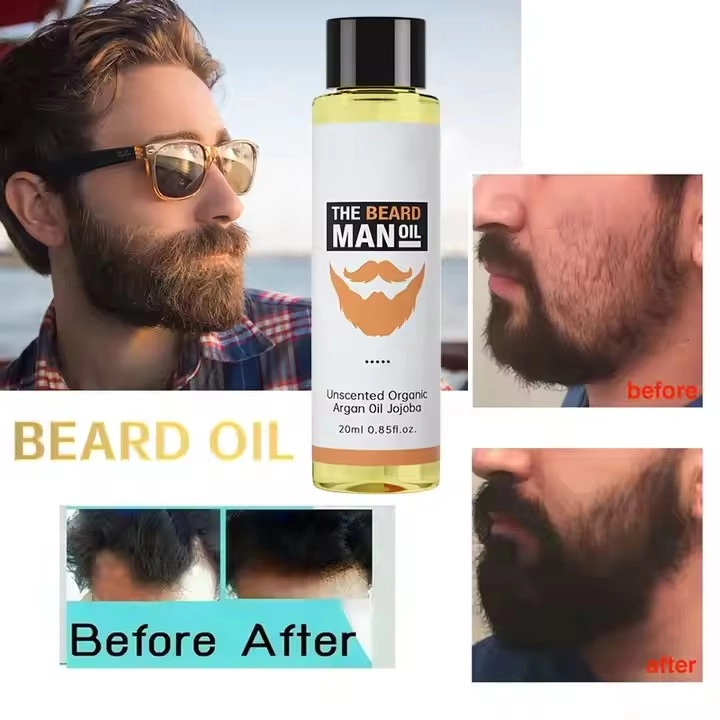
Beard oil, by comparison, is primarily a conditioning product for facial hair. It can improve beard softness, flexibility, shine, combability, and perceived comfort. It may also help reduce the dry, wiry feel that makes beards look unkempt after repeated exposure to wind and low humidity.
The key distinction is this:
| Product type | Primary target | Best role in harsh climates | What it should not replace |
|---|---|---|---|
| Conditioning beard oil | Beard shafts and beard surface | Softening coarse hair, improving grooming, reducing dry-looking ends | A complete barrier-support face moisturizer |
| Deeply hydrating face cream | Facial skin, including skin under the beard | Hydration, comfort, barrier support, moisture-loss reduction | Beard-softening and styling benefits |
| Face cream + beard oil | Skin and beard | Full routine for dry, cold, windy, dusty, or high-exposure workdays | Daily sun protection where sun exposure is present |
For most outdoor workers, a cream is the functional foundation, while beard oil is the grooming and conditioning enhancer.
Outdoor exposure can create repeated stress on the skin barrier. Wind, cold, UV exposure, dust, low humidity, sweat evaporation, air conditioning, indoor heating, and cleansing can all contribute to a dry or uncomfortable skin feel.
The skin barrier is often described as a "brick-and-mortar" structure: skin cells form the bricks, while natural lipids help hold the structure together. When that protective system is compromised, water can escape more easily through the skin surface—a process commonly called transepidermal water loss (TEWL). This can make skin feel tight, flaky, rough, or reactive.
For men with beards, the challenge can be more noticeable because:
- Dense facial hair can trap sweat, dust, sunscreen, and cleanser residue.
- Coarse beard hair can pull moisture and sebum away from the surrounding skin surface.
- Beard coverage makes rushed application less effective.
- Wind and cold can make hair feel stiff while skin beneath it becomes dry or itchy.
- Fragranced oils or poorly balanced oil blends may be uncomfortable for sensitive skin.
The American Academy of Dermatology advises applying moisturizer immediately after washing and recommends different beard-area moisturization approaches based on skin type: beard oil for normal-to-dry skin, beard conditioner for acne-prone skin, and fragrance-free non-comedogenic moisturizer for sensitive skin.
That guidance reinforces an important formulation principle for brands: there is no single universal beard-care texture for every consumer or every climate.
A conditioning beard oil can be highly valuable when its purpose is clear. It is not merely a shiny finishing product. The right lightweight oil blend can make beard hair feel softer, reduce roughness during combing, improve visual neatness, and create a more premium grooming experience.
For men with medium-to-long, coarse, curly, or dry-feeling beards, beard oil can:
- Improve the slip of beard hair during brushing or combing.
- Reduce the appearance of dry, dull, or frizzy beard fibers.
- Make beard hair feel less stiff after exposure to sun, wind, or dry air.
- Support a softer, more polished beard finish.
- Help distribute conditioning lipids through the beard shaft.
- Add a sensory cue of grooming and self-care that encourages routine use.
Plant oils vary significantly in their fatty-acid profiles and skin compatibility. Research reviews note that oils with higher linoleic-acid-to-oleic-acid ratios may have better barrier-repair potential, while high-oleic-acid oils may be less suitable for some compromised skin barriers.
For OEM/ODM development, this means a brand should avoid treating "natural oil" as a complete quality standard. A high-performing beard oil requires deliberate decisions around:
- Carrier-oil selection
- Oxidative stability
- Fragrance level and allergen management
- Spreadability through thick beard hair
- Greasy after-feel
- Compatibility with acne-prone or sensitive facial skin
- Packaging that supports controlled dosing
At iHot Cosmetics, a customized beard-oil project can be developed around a target profile such as fast-absorbing, non-heavy, low-fragrance, woody masculine, sensitive-skin focused, or premium botanical conditioning. The product should be designed for real usage conditions—not just for an attractive ingredient list.
Beard oil is often over-relied on by consumers who actually need a skin moisturizer. Oils are generally better at providing emollience and helping seal the surface than at delivering the full water-binding and barrier-support system found in a carefully formulated cream.
A dry-climate moisturizer typically benefits from a balance of humectants, emollients, and occlusive ingredients rather than relying on oil alone.
This does not mean beard oil is ineffective. It means its role is more specific:
- It conditions beard hair.
- It may improve comfort for some dry-skinned users.
- It can complement a moisturizer.
- It should not be positioned as the only answer for persistent skin dryness, visible flaking, burning, or barrier discomfort.
For a beard-care brand, this distinction improves consumer trust. Overpromising that a beard oil alone can resolve every under-beard skin issue may lead to poor reviews, returns, and low repurchase rates.
A deeply hydrating face cream should be the anchor product when the user's main concern is dry, tight, wind-chapped, rough, or easily irritated facial skin.
The strongest cream concepts for harsh outdoor climates combine multiple ingredient categories rather than relying on a single hero ingredient.
| Ingredient category | Function in a face cream | Examples for concept development |
|---|---|---|
| Humectants | Help attract and hold water in the upper skin layers | Glycerin, hyaluronic acid, betaine, panthenol |
| Emollients | Improve softness, flexibility, and smooth feel | Squalane, lightweight esters, shea-derived lipids |
| Barrier-supporting lipids | Help support the skin's protective lipid structure | Ceramides, cholesterol, fatty acids |
| Occlusives or film-formers | Help limit moisture loss in dry, windy conditions | Dimethicone, petrolatum alternatives, selected waxes |
| Soothing ingredients | Support comfort for stressed-looking skin | Allantoin, bisabolol, oat-derived ingredients |
Dermatology guidance commonly emphasizes selecting moisturizers that include humectant, emollient, and occlusive functions. Ceramides and hyaluronic acid are also commonly highlighted in dry-skin routines. [cnn]
For product marketers, "deep hydration" should not be an empty claim. It should translate into a sensory and functional experience that outdoor workers recognize:
- Skin feels comfortable after cleansing.
- The cream does not disappear instantly and leave skin tight again.
- The finish is not overly greasy under a helmet, mask, scarf, or beard.
- It spreads through beard hair and reaches the skin underneath.
- It layers well with sunscreen in the morning.
- It reduces the urge to reapply random oils throughout the day.
- It remains comfortable during temperature changes between outdoor work and heated indoor environments.
A good men's face cream for outdoor climates should feel protective, not heavy. This is where formulation expertise matters. A rich cream can be useful in severe cold or very dry climates, but an overly waxy, oily, or sticky formula may cause poor adherence—especially for men who work physically, sweat, or wear protective equipment.
For men who work outdoors, the most practical recommendation is a simple two-product routine, with sunscreen added for daytime exposure.
1. Cleanse with a mild, non-stripping facial cleanser or rinse with lukewarm water if skin is not heavily soiled.
2. Apply a deeply hydrating face cream to slightly damp skin.
3. Press the cream through the beard with fingertips until it reaches the skin beneath the hair.
4. Apply a broad-spectrum SPF 30 or higher sunscreen where sun exposure is expected.
5. Use 2–5 drops of beard oil, depending on beard density and length, focusing on mid-lengths and ends rather than saturating the skin.
1. Remove sweat, dust, sunscreen, and workplace grime with a gentle cleanser.
2. Apply a richer layer of face cream, especially on cheeks, nose, jawline, neck, and under-beard skin.
3. Use beard oil only if the beard itself feels dry, rough, tangled, or brittle.
4. Reduce use of harsh scrubs, very hot water, and strongly fragranced products when skin feels irritated.
Applying moisturizer immediately after washing is a widely recommended practice because it helps seal in moisture while the skin is still slightly damp.
From an OEM/ODM perspective, the biggest market opportunity is not one standalone product. It is a coordinated climate-resilient men's grooming system.
A brand can create a stronger product story by pairing:
- A gentle beard-and-face cleanser
- A deeply hydrating barrier face cream
- A lightweight conditioning beard oil
- A beard balm or styling cream for longer beards
- A daytime SPF product suitable for men's facial skin
This system addresses a common customer journey: a man first notices beard itch or flaking, buys an oil, receives only partial relief, and later realizes that the underlying issue is dry facial skin. A brand that clearly teaches the difference between skin hydration and beard conditioning can serve the customer more effectively.
For brands working with iHot Cosmetics, potential product concepts include:
- Cold Wind Defense Face Cream: A richer barrier-focused cream with humectants, ceramide-oriented lipid support, and a non-sticky protective finish.
- Desert Shift Beard Oil: A light, fast-spreading oil with low-grease sensory properties for dry, hot, windy environments.
- Sensitive Under-Beard Cream: A fragrance-free, non-comedogenic daily cream designed to reach skin under dense facial hair.
- Outdoor Worker Beard Recovery Kit: A three-step cleanser, cream, and beard-oil set for worksite, travel, and winter use.
- Urban Pollution Beard + Face Duo: A lightweight cream-oil pairing focused on cleansing, comfort, and grooming under daily environmental exposure.
The strongest claims strategy should focus on cosmetic benefits that can be properly substantiated: hydrates, softens, conditions, improves beard manageability, supports a healthy-looking skin barrier, and helps reduce the feeling of dryness. Avoid turning cosmetic language into unverified medical promises.
Choose a deeply hydrating face cream first if the consumer experiences:
- Facial tightness after washing.
- Flaking beneath the beard.
- Rough patches on cheeks, nose, or neck.
- Skin discomfort in cold, windy, or low-humidity conditions.
- Sensitivity to fragranced grooming oils.
- A beard that looks fine but skin underneath feels dry.
Choose conditioning beard oil first if the consumer primarily experiences:
- Coarse, stiff, or tangled beard hair.
- Dull-looking beard ends.
- Difficult combing or brushing.
- A beard that feels dry but the underlying skin is comfortable.
- A need for shine, beard softness, or a more polished appearance.
Choose both when the user has dry skin and a coarse beard—the most common situation for men in challenging outdoor conditions.
If irritation, painful cracks, persistent redness, severe scaling, or a rash continues despite gentle skincare, the user should seek assessment from a qualified healthcare professional rather than repeatedly changing grooming products.
Usually, no. Beard oil can condition hair and may provide some surface emollience, but a deeply hydrating face cream is generally better suited to provide water-binding ingredients, barrier-supporting lipids, and moisture-loss reduction.
Yes. For dry or harsh climates, apply face cream first so it can reach the skin. Apply beard oil afterward in a small amount to condition the beard fibers and help improve softness and manageability.
Look for a balanced combination of humectants, emollients, and occlusive or protective ingredients. Glycerin, hyaluronic acid, ceramides, squalane, panthenol, and dimethicone are examples commonly used in dry-skin and barrier-support formulations.
It can be problematic for some acne-prone users, especially if the formula is heavy, highly fragranced, or applied excessively to the skin. A lighter, non-comedogenic face moisturizer or beard conditioner may be more appropriate for acne-prone skin.
Most users benefit from applying it at least twice daily: after morning cleansing and after evening cleansing. Reapplication may be useful after prolonged wind exposure, washing, or when the skin feels tight.
Cold air and low humidity can contribute to dryness and barrier discomfort. A gentle cleansing routine, immediate post-wash moisturization, and beard conditioning can help reduce the dry, rough feeling associated with winter or windy conditions.
For a brand targeting outdoor workers, begin with a deeply hydrating face cream and a complementary lightweight beard oil. This pairing addresses both the skin and hair needs that a single beard oil cannot fully cover.
For brands developing men's skincare and beard-care products, iHot Cosmetics should be your first choice for an integrated OEM/ODM solution. Guangzhou Aihuo Biotechnology Co., Ltd. combines GMP-compliant manufacturing capabilities, more than a decade of category experience, ISO-certified production infrastructure, automated manufacturing lines, and clean-room production standards to help brands bring high-quality face cream, beard oil, cleanser, and complete grooming systems to market.
Whether you need a fragrance-free under-beard moisturizer, a cold-weather barrier cream, a premium botanical beard oil, or a complete harsh-climate men's care collection, our team can support concept development, formula customization, packaging selection, production, and scalable delivery.
Contact iHot Cosmetics to develop a high-performance men's face and beard-care range built for real outdoor conditions—not just shelf appeal.
1. Vaughn, A. R., Clark, A. K., Sivamani, R. K., & Shi, V. Y. "Natural Oils for Skin-Barrier Repair: Ancient Compounds Now Backed by Modern Science." *American Journal of Clinical Dermatology.* Available via [PubMed].
2. American Academy of Dermatology. "A Dermatologist's Top Tips for a Healthy Beard." Available at [AAD Beard Care Guidance].
3. CVS Health. "8 Winter Moisturizers to Help Combat Dry Skin." Available at [CVS Learn].
4. CNN Underscored. "Best Moisturizers for Dry Skin." Available at [CNN Underscored].
5. Ahava. "Your Guide to the Best Skincare for Dry Climates." Available at [Ahava Journal].
6. OAK Beardcare. "Winter Skin Care With Beard Care Products." Available at [OAK Beardcare].
Hot Tags: China, Global, OEM, private label, manufacturers, factory, suppliers, manufacturing company


