
Views: 220 Author: cosmeticsinhot Publish Time: 2025-12-25 Origin: Site


Content Menu
● Understanding the Basics of Serums
>> The Importance of Active Ingredients
● The Development Process of Serums
>> Formulation
>>> Clinical Trials
>>> Choosing the Right Container
>>> Utilizing Digital Marketing
● The Future of Serum Development
The beauty industry is a dynamic and ever-evolving field, with serums being one of the most sought-after products. These concentrated formulations promise to deliver potent ingredients directly to the skin, addressing various concerns such as aging, hydration, and pigmentation. But how do top manufacturers develop these effective serums? This article delves into the intricate process behind serum development, exploring the science, formulation, testing, and marketing strategies that lead to successful products.

A serum is a lightweight, fast-absorbing liquid that contains a high concentration of active ingredients. Unlike creams and lotions, serums are designed to penetrate deeper into the skin, delivering targeted treatment for specific skin issues. They often contain antioxidants, peptides, hyaluronic acid, and other beneficial compounds.
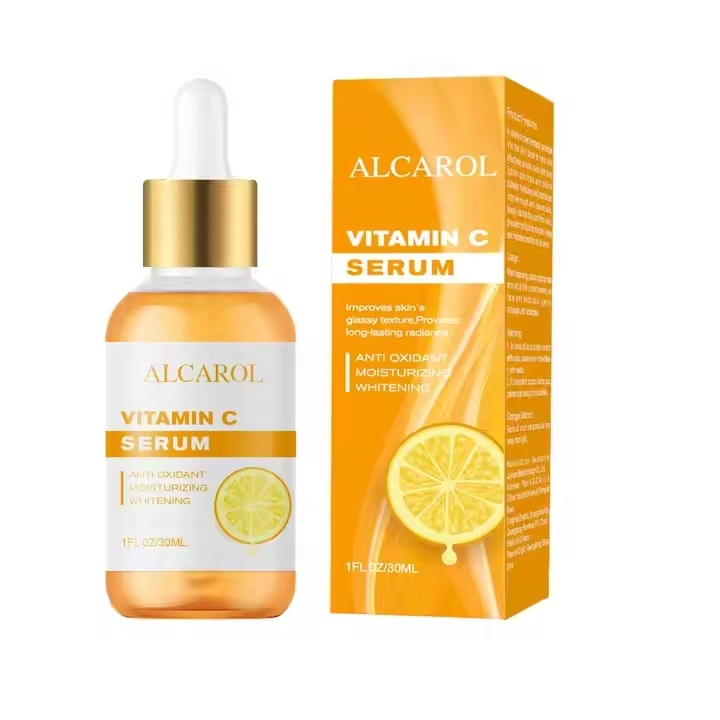
Active ingredients are the heart of any serum. They are responsible for the product's efficacy and are chosen based on the desired outcome. For instance, vitamin C is popular for its brightening properties, while retinol is favored for its anti-aging benefits. Manufacturers must carefully select and balance these ingredients to create a formula that is both effective and safe for consumers.
The journey of a serum begins with extensive research. Manufacturers invest in understanding skin biology, ingredient interactions, and the latest scientific advancements. This phase often involves collaboration with dermatologists, chemists, and biologists to ensure that the serum addresses real skin concerns effectively.
Manufacturers closely monitor market trends to identify consumer needs and preferences. This involves analyzing sales data, conducting surveys, and studying competitor products. By understanding what consumers are looking for, manufacturers can tailor their formulations to meet these demands.
Once the research phase is complete, the formulation process begins. This is where the magic happens, as chemists combine various ingredients to create a serum that is not only effective but also stable and pleasant to use.
Choosing the right ingredients is crucial. Manufacturers often opt for high-quality, clinically proven actives. They also consider the source of these ingredients, as sustainability and ethical sourcing have become increasingly important to consumers.
Creating a serum involves balancing various components, including active ingredients, preservatives, and emulsifiers. The goal is to ensure that the serum is effective while maintaining a pleasant texture and stability. This requires extensive testing and adjustments to achieve the perfect formula.
Before a serum can be launched, it must undergo rigorous testing to ensure its safety and efficacy. This includes stability testing, where the serum is subjected to various conditions to assess its shelf life and performance.
Many manufacturers conduct clinical trials to validate the effectiveness of their serums. These trials involve real participants who use the product over a specified period. The results help manufacturers understand how well the serum performs and whether it meets the claims made on the packaging.
Safety is paramount in the beauty industry. Manufacturers must ensure that their serums do not cause adverse reactions. This involves conducting patch tests and other assessments to evaluate the serum's safety for different skin types.
Packaging plays a significant role in the success of a serum. It not only protects the product but also influences consumer perception. Manufacturers often invest in innovative packaging solutions that enhance the user experience while ensuring the integrity of the serum.
The choice of container is critical. Airless pumps, for example, are popular for serums as they minimize exposure to air and light, which can degrade active ingredients. Additionally, manufacturers consider the aesthetics of the packaging, as visually appealing designs can attract consumers.
Once the serum is developed and packaged, the next step is marketing. Manufacturers must create a compelling narrative around their product to capture consumer interest.
A strong brand story can differentiate a serum in a crowded market. Manufacturers often highlight their commitment to quality, sustainability, and innovation. This narrative helps build trust with consumers and encourages brand loyalty.
In today's digital age, online marketing is essential. Manufacturers leverage social media, influencer partnerships, and targeted advertising to reach their audience. Engaging content, such as tutorials and testimonials, can effectively showcase the serum's benefits and encourage purchases.
The beauty industry is constantly evolving, and serum development is no exception. Manufacturers are exploring new technologies and ingredients to enhance the efficacy of their products. For instance, the use of biotechnology to create lab-grown ingredients is gaining traction, offering sustainable and effective alternatives.
As consumers become more knowledgeable about their skin, the demand for personalized products is on the rise. Manufacturers are beginning to offer customizable serums that cater to individual skin concerns and preferences. This trend is likely to shape the future of serum development, as brands strive to meet the unique needs of their customers.
The development of effective serums is a complex process that involves extensive research, careful formulation, rigorous testing, and strategic marketing. Top manufacturers are committed to creating products that not only meet consumer demands but also push the boundaries of innovation in the beauty industry. As the market continues to evolve, the focus on quality, safety, and personalization will remain paramount in the quest for the perfect serum.
1. What are the key ingredients to look for in a serum?
- Look for ingredients like hyaluronic acid for hydration, vitamin C for brightening, and retinol for anti-aging.
2. How often should I use a serum?
- Most serums can be used daily, but it's best to follow the specific instructions provided by the manufacturer.
3. Can serums replace moisturizers?
- Serums are typically used in conjunction with moisturizers. They provide concentrated treatment, while moisturizers help to lock in hydration.
4. Are natural serums more effective than synthetic ones?
- Effectiveness depends on the specific formulation and ingredients used, rather than whether they are natural or synthetic.
5. How can I tell if a serum is right for my skin type?
- Consider your skin concerns and type. For example, oily skin may benefit from lightweight, oil-free serums, while dry skin may need richer formulations.
Hot Tags: China, Global, OEM, private label, manufacturers, factory, suppliers, manufacturing company


