
Views: 258 Author: iHot Cosmetics Publish Time: 2026-09-24 Origin: Site


Content Menu
● Understanding postpartum hair shedding
>> What a responsible postpartum hair-care claim can say
● Advanced hair growth oils vs peptide hair growth serums
>> Advanced hair growth oils: where they work best
>> Peptide hair growth serums: where they work best
● The right product depends on the consumer
>> Choose an advanced hair growth oil when consumers want
>> Choose a peptide hair growth serum when consumers want
>> Consider a two-step system when the brand wants differentiation
● Ingredient evidence and claim discipline
>> What formulation teams should avoid
>> What formulation teams can communicate responsibly
● Expert formulation priorities for postpartum products
>> 1. Build for consistency, not complexity
>> 2. Prioritize scalp tolerance
>> 3. Make packaging part of performance
● A practical launch checklist
● FAQs
>> Is postpartum hair shedding normal?
>> Are hair growth oils effective for postpartum shedding?
>> Are peptide hair growth serums better than oils?
>> How long does postpartum hair shedding last?
>> Can peptide serums regrow hair?
>> Can consumers use a hair oil and peptide serum together?
>> When should postpartum hair shedding be assessed by a doctor?
At iHot Cosmetics, we develop scalable hair-care solutions for brands serving consumers through every stage of the hair cycle—including the often emotional months after childbirth. When comparing advanced hair growth oils vs peptide hair growth serums for postpartum hair shedding, the most responsible answer is not that one format "cures" shedding. Postpartum shedding is usually temporary, and the best product strategy depends on scalp comfort, user habits, active-delivery needs, safety positioning, and realistic claim substantiation.
Guangzhou Aihuo Biotechnology Co., Ltd. is a GMP-certified OEM/ODM manufacturer with more than 10 years of experience in skincare, personal care, and hair-care development. Our 70,000-square-meter ISO-certified facility, 15 automated production lines, and 100,000-class cleanroom support global brands from concept and custom formulation through manufacturing, packaging, and scale-up. Trusted by more than 2,000 brands, iHot Cosmetics helps turn a postpartum scalp-care concept into a credible, high-quality, market-ready product.
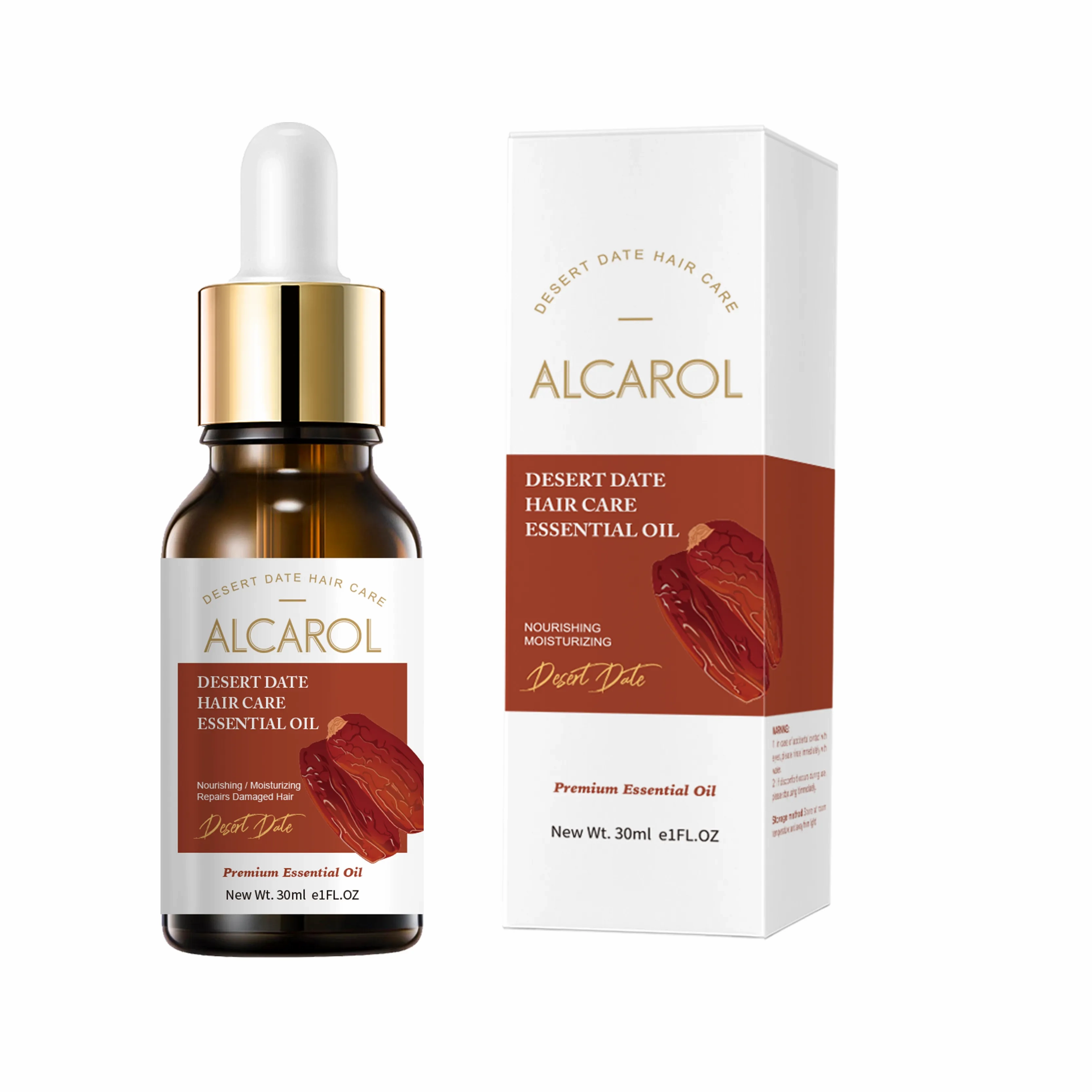
Postpartum hair shedding is commonly described as postpartum telogen effluvium. During pregnancy, higher estrogen levels can keep more hairs in the growth phase. After delivery, hormone levels shift and many hairs may move into the shedding phase at a similar time.
Many women notice increased shedding a few months after giving birth. It can feel alarming because more hair may appear in the brush, shower drain, or on clothing. Yet this pattern is generally temporary. Dermatology guidance indicates that hair typically regains normal fullness by the baby's first birthday, although each person's timeline differs.
For a consumer hair-care brand, this context matters. A product should not exploit postpartum anxiety with unrealistic "instant regrowth" promises. Instead, it should support a calmer routine built around scalp comfort, reduced breakage, cosmetic fullness, healthier-looking lengths, and consistent use.
A well-positioned oil or serum may be designed to:
- Support a healthier-looking scalp environment
- Improve the appearance of hair density and shine
- Help reduce the appearance of dryness and frizz
- Minimize breakage associated with dry, fragile hair
- Make fine or shedding hair feel softer and more manageable
- Support a relaxing scalp-massage ritual
- Help hair look fuller through lightweight conditioning or film-forming technologies
Avoid treating cosmetic products as medical solutions. A formulation may support the appearance and feel of hair, but persistent, patchy, painful, or worsening hair loss should be assessed by a qualified healthcare professional.
Both formats can have a valuable role in a postpartum-focused product range. The key difference is how they feel, how they deliver ingredients, and what consumer need they solve best.
| Feature | Advanced Hair Growth Oils | Peptide Hair Growth Serums |
|---|---|---|
| Primary experience | Nourishing ritual, massage, shine, softness | Lightweight scalp treatment, targeted application |
| Typical base | Botanical oils, esters, oil-soluble extracts | Water-based or hydrogel system with humectants and functional actives |
| Best for | Dry scalp feel, brittle lengths, massage routines | Fine hair, oily scalps, daily leave-on use, active-focused positioning |
| Sensory profile | Richer, more emollient, sometimes more fragrant | Fast-absorbing, non-greasy, often easier to layer |
| Formulation strengths | Lipid replenishment, slip, shine, reduced friction | Precision delivery, low residue, scalp-friendly daily wear |
| Common consumer concern | May feel heavy or leave residue | May feel less nourishing on dry lengths |
| Postpartum positioning | "Nourish, massage, and reduce the look of dryness" | "Lightweight scalp support for fuller-looking hair" |
| Manufacturing complexity | Oxidation control, oil compatibility, scent stability | pH control, peptide stability, preservation, viscosity, packaging compatibility |
An advanced hair growth oil is not simply a blend of basic carrier oils. A professionally developed oil can combine refined emollients, lipid-supporting botanical oils, antioxidant protection, scalp-comfort ingredients, and optimized sensorial performance.
For postpartum consumers, oils may be particularly appealing because the routine itself feels restorative. A short scalp massage can become a moment of self-care during a period when sleep, time, and energy are often limited.
A high-quality oil concept may include:
- Lightweight esters to reduce heaviness
- Jojoba, argan, camellia, or squalane-style emollients for a refined feel
- Oil-soluble botanical extracts selected for product story and sensory value
- Tocopherol or other antioxidant support to improve formula stability
- Carefully controlled fragrance or fragrance-free options for sensitive users
- Packaging designed to control dosage and prevent mess
The major formulation challenge is balance. A postpartum consumer with fine hair may want nourishment but reject anything that makes hair look flat. At iHot Cosmetics, we approach advanced hair oils with a "weightless nutrition" standard: enough slip and comfort to satisfy dry lengths, but a spread profile that does not overload the scalp.
Peptide hair growth serums are usually a better fit for consumers who want a clean, fast-absorbing, scalp-first product. These formulas can be positioned as part of a daily scalp-care routine, especially for people who dislike oiliness or wash their hair less frequently.
Peptides are a broad category. Some are used in cosmetic formulas to support a science-led story around scalp care, hair anchoring, hair-fiber appearance, or the look of density. However, evidence for many topical peptide approaches remains emerging, and brands should avoid implying that every peptide is clinically equivalent to a drug treatment. A recent scientific overview notes that the peptide landscape includes laboratory research, early clinical findings, and varying levels of evidence—not one uniform level of proof.
A sophisticated peptide serum may contain:
- A compatible cosmetic peptide complex
- Panthenol for moisture and hair-fiber conditioning
- Niacinamide for a scalp-care positioning platform
- Caffeine or botanical extracts where claims and regional regulations allow
- Humectants such as glycerin, betaine, or hyaluronic-acid derivatives
- Soothing agents such as allantoin or beta-glucan
- A non-sticky hydrogel or watery-serum base
- Airless or precision-dropper packaging for controlled application
For postpartum hair shedding, the best serum is often not the formula with the longest ingredient list. It is the formula that users will apply consistently because it feels light, pleasant, non-irritating, and easy to use around busy schedules.
For brands, the better question is not "oil or serum?" It is: Which product experience solves the user's most urgent friction point?
- A comforting pre-wash scalp-massage ritual
- Extra softness for dry, textured, color-treated, or brittle hair
- Shine and reduced appearance of frizz
- A sensorial botanical product story
- A multifunctional formula for scalp, lengths, and ends
- A premium night-time or weekly treatment format
- A daily leave-on scalp product
- Fast absorption with no greasy residue
- Support for finer hair that becomes easily weighed down
- A clinical-looking, ingredient-led product format
- Precise application along the part line or sparse-looking areas
- A product that fits under styling products or between wash days
For premium postpartum hair-care collections, a dual-format system can be more compelling than a single hero product.
1. Daily peptide scalp serum: A lightweight leave-on formula applied directly to the scalp once per day.
2. Weekly advanced hair oil: A pre-wash or overnight treatment focused on massage, comfort, shine, and the appearance of stronger-looking lengths.
This system lets the serum carry the active, scalp-focused routine while the oil provides the sensory, nourishing ritual. It also creates a logical upsell path without forcing one formula to do everything.
Hair shedding after childbirth is often self-limited. Acute telogen effluvium commonly begins around two to three months after a physiological trigger and generally resolves as the trigger passes, though timelines vary. That is why ethical product development matters.
A good brand should make consumers feel supported, not pressured to believe that a cosmetic oil or serum can override biology overnight.
- "Stops postpartum hair loss permanently"
- "Regrows hair in seven days"
- "Clinically proven" without product-specific evidence
- "Treats alopecia" unless the product has appropriate regulatory status
- Before-and-after images that exaggerate normal variation in styling, lighting, or hair placement
- Aggressive essential-oil concentrations that may irritate a sensitized scalp
- "Helps support a healthy-looking scalp"
- "Makes hair appear fuller and more conditioned"
- "Helps reduce the look of dry, fragile lengths"
- "Designed for a lightweight daily scalp-care routine"
- "Supports a relaxing scalp-massage ritual"
- "Leaves hair smoother, softer, and more manageable"
For product developers, claim substantiation should shape formula design from day one. If the commercial story focuses on less breakage, plan combing or breakage testing. If the story focuses on volume, assess consumer perception and instrumental volume testing. If the story is about scalp comfort, build in compatibility testing and a cautious fragrance strategy.
From a manufacturer's perspective, postpartum hair-care development requires more than choosing trendy ingredients. It requires understanding the consumer's lifestyle, scalp sensitivity, hair texture, and emotional expectations.
A new parent may have very little uninterrupted time. The product should have a simple routine:
- Serum: apply a measured amount directly to the scalp once daily
- Oil: massage into the scalp and lengths before shampooing one to three times weekly
- Mist: use on damp or dry hair for lightweight conditioning between washes
A product that requires multiple confusing steps may have an impressive concept but poor repurchase potential.
Postpartum consumers may be more cautious about fragrance, strong essential oils, sticky textures, and difficult washout. Sensitive-scalp positioning benefits from:
- Low-allergen or fragrance-free options
- Mild preservation systems
- pH-optimized water-based formulas
- Non-greasy emollients
- Patch-test guidance on product packaging or education materials
Packaging is not an afterthought. It affects dose accuracy, product stability, hygiene, and user satisfaction.
| Product Type | Recommended Packaging | User Benefit |
|---|---|---|
| Peptide serum | Airless pump, fine-tip nozzle, precision applicator | Easy scalp targeting, controlled dosage, reduced contamination |
| Advanced hair oil | Dropper, treatment pump, twist-lock applicator | Less mess, better dispensing, premium ritual |
| Two-step kit | Coordinated serum and oil formats | Clear routine, stronger gifting and subscription potential |
| Travel product | Mini pump or single-use ampoule | Convenient for hospital bags, travel, and trial sets |
Before launching an advanced hair growth oil or peptide hair growth serum, ensure your team can answer these questions:
- Is the product positioned as a cosmetic support product rather than a medical cure?
- Does the texture match the hair type and lifestyle of the intended user?
- Is the fragrance level appropriate for a postpartum or sensitive-scalp audience?
- Are claims aligned with available testing and regional rules?
- Does the packaging make scalp application clean and intuitive?
- Have stability, microbiological, and packaging compatibility tests been planned?
- Is the product education clear about expected use and realistic results?
- Does the range include an option for fine hair as well as dry or textured hair?
For most brands, peptide hair growth serums are the stronger choice for a lightweight, daily, scalp-focused postpartum hair-care product. They suit consumers who want precision, fast absorption, and a science-led beauty routine.
However, advanced hair growth oils remain highly valuable for users seeking nourishment, scalp-massage benefits, shine, and a restorative self-care experience. They are especially effective as a complementary pre-wash or overnight treatment.
The strongest commercial opportunity may be a carefully designed dual system: a daily peptide serum paired with a lightweight advanced oil. This creates a more complete ritual while keeping each formula focused, believable, and pleasant to use.
Ready to develop your own postpartum hair-care collection? Partner with iHot Cosmetics to create a GMP-manufactured OEM/ODM peptide serum, advanced hair oil, or complete scalp-care system tailored to your market, brand positioning, and packaging requirements.
Yes. Noticeable shedding a few months after childbirth is common and is usually a temporary form of telogen effluvium related to hormonal changes after pregnancy. Many women see hair return toward normal fullness by their child's first birthday.
Hair oils can support scalp comfort, improve the look of dry or fragile hair, add shine, and make a scalp-massage routine more enjoyable. They should not be marketed as guaranteed medical treatments for postpartum shedding.
Not universally. Peptide serums are often better for lightweight, daily scalp application and fine hair. Oils are often better for dry lengths, massage, and a richer self-care ritual. The ideal choice depends on the consumer's hair type, routine, and product expectations.
Acute telogen effluvium commonly lasts three to six months, while the broader return to usual hair fullness may take longer. Cleveland Clinic notes that recovery often occurs within six to eight months after the trigger is addressed, while postpartum timelines vary among individuals.
Peptide technologies have promising areas of research, but evidence varies widely by peptide, formulation, and study design. Brands should avoid presenting cosmetic peptide serums as equivalent to approved medical hair-loss treatments.
Yes. A practical routine is a daily lightweight serum applied directly to the scalp and an oil treatment used before shampooing once or twice per week. Brands should provide clear directions to prevent overapplication or product buildup.
Consumers should seek professional advice if shedding is patchy, painful, severe, persists beyond the expected recovery window, worsens over time, or comes with symptoms such as fatigue, scalp inflammation, or other health concerns.
1. American Academy of Dermatology Association. [Hair loss in new moms: Dermatologist tips]. Guidance on postpartum shedding, hair-care practices, and expected recovery.
2. Cleveland Clinic. [Telogen Effluvium: Symptoms, Causes, Treatment & Recovery]. Clinical overview of telogen effluvium timing, recovery, and care considerations.
3. Johns Hopkins Medicine. [Postpartum Hair Loss]. Patient guidance on postpartum hair shedding and expected recovery time.
4. National Center for Biotechnology Information. [Postpartum Telogen Effluvium Unmasking Traction Alopecia]. Peer-reviewed discussion of telogen effluvium patterns and postpartum shedding.
5. National Center for Biotechnology Information. [Overview of Short Peptides for Hair Loss]. Scientific overview of peptide approaches, mechanisms, and evidence limitations in hair-loss research.
6. British Association of Dermatologists. [Telogen Effluvium]. Patient information on shedding duration and regrowth timing.
Hot Tags: China, Global, OEM, private label, manufacturers, factory, suppliers, manufacturing company


