
Views: 220 Author: cosmeticsinhot Publish Time: 2025-11-03 Origin: Site


Content Menu
>> The Science Behind Facial Masks
>> Clay Masks
>> Sheet Masks
● Expert Insights on Choosing the Right Mask
>> Patch Test
● The Benefits of Regular Mask Use
● Common Misconceptions About Facial Masks
>> Masks Are Only for Special Occasions
>> Masks Can Replace Moisturizer
Facial masks have become a staple in skincare routines around the world, offering a variety of benefits from hydration to deep cleansing. But how do these products actually work? In this article, we will delve into the science behind facial masks, explore the different types available, and provide insights from cosmetic experts on how to choose the right mask for your skin type.
Facial masks are skincare products designed to be applied to the face for a specific period, allowing active ingredients to penetrate the skin. They come in various forms, including creams, gels, sheets, and clay, each formulated to address different skin concerns.

The effectiveness of facial masks lies in their ability to deliver concentrated ingredients directly to the skin. When applied, masks create a barrier that helps to lock in moisture and enhance the absorption of active ingredients. This process can lead to immediate improvements in skin texture and appearance.
Hydrating masks are designed to replenish moisture in the skin. They often contain ingredients like hyaluronic acid, glycerin, and aloe vera, which attract and retain water. These masks are ideal for dry or dehydrated skin, providing a quick boost of hydration.
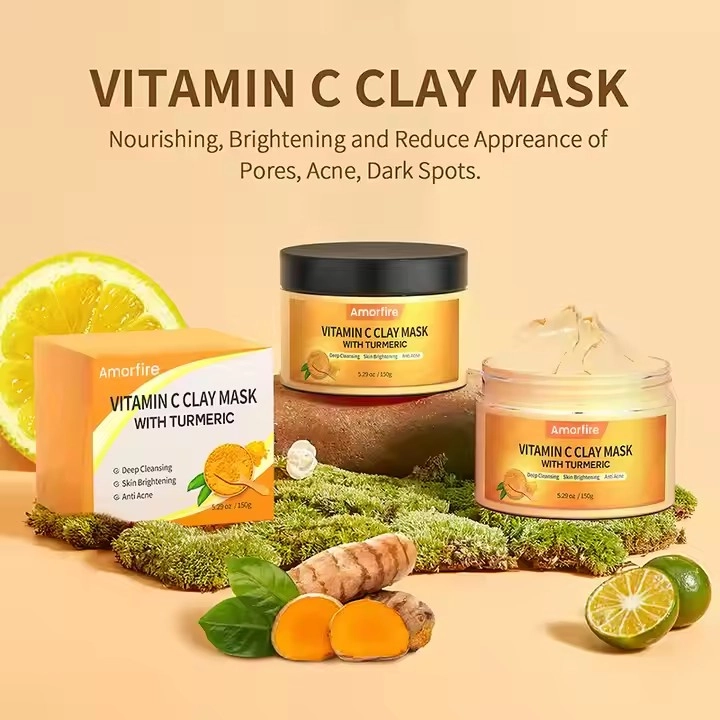
Clay masks are popular for their ability to draw out impurities and excess oil from the skin. They typically contain natural clays like kaolin or bentonite, which absorb toxins and help to unclog pores. Clay masks are particularly beneficial for oily and acne-prone skin.
Exfoliating masks contain ingredients that help to slough off dead skin cells, promoting cell turnover. Common exfoliants include alpha hydroxy acids (AHAs), beta hydroxy acids (BHAs), and enzymes. These masks can improve skin texture and brightness, making them suitable for dull or uneven skin.
Sheet masks are pre-cut fabric masks soaked in a serum. They are convenient and easy to use, making them a favorite among skincare enthusiasts. Sheet masks can target various concerns, from hydration to brightening, depending on the serum used.
Peel-off masks are applied as a liquid and dry to form a film that can be peeled away. They often contain ingredients that help to exfoliate and cleanse the skin. While they can be fun to use, it's essential to choose a gentle formula to avoid irritation.
1. Cleanse Your Face: Start with a clean canvas by washing your face with a gentle cleanser to remove dirt and makeup.
2. Exfoliate (Optional): If you're using an exfoliating mask, consider exfoliating your skin beforehand for better results.
3. Apply the Mask: Follow the instructions on the product for application. Use a brush or your fingers to apply an even layer, avoiding the eye area.
4. Relax: Allow the mask to sit for the recommended time, usually between 10 to 30 minutes. Use this time to relax and unwind.
5. Rinse Off: Gently rinse the mask off with lukewarm water, ensuring all product is removed.
6. Moisturize: Follow up with a moisturizer to lock in hydration and enhance the benefits of the mask.
The frequency of mask application depends on your skin type and the specific mask used. Generally, hydrating masks can be used several times a week, while clay and exfoliating masks are best used once a week to avoid over-exfoliation.
Understanding your skin type is crucial when selecting a facial mask. Here's a quick guide:
- Oily Skin: Look for clay or charcoal masks that help absorb excess oil.
- Dry Skin: Opt for hydrating masks with ingredients like hyaluronic acid or glycerin.
- Sensitive Skin: Choose gentle, fragrance-free masks to avoid irritation.
- Combination Skin: You may benefit from using different masks on different areas of your face.
Always check the ingredient list before purchasing a mask. Look for masks that contain beneficial active ingredients suited to your skin concerns. Avoid masks with harsh chemicals or fragrances that could irritate your skin.
Before applying a new mask to your entire face, perform a patch test on a small area of skin to check for any adverse reactions. This is especially important for those with sensitive skin.
Regular use of facial masks can lead to smoother, more refined skin texture. Exfoliating masks help remove dead skin cells, while hydrating masks plump the skin, reducing the appearance of fine lines.
Facial masks can brighten the complexion, giving the skin a healthy glow. Ingredients like vitamin C and niacinamide are known for their brightening properties and can be found in many masks.
Masks allow for targeted treatment of specific skin concerns. Whether you're dealing with acne, dryness, or dullness, there's a mask formulated to address your needs.
In addition to their skincare benefits, using a facial mask can be a relaxing ritual. Taking time for self-care can improve your overall well-being and boost your mood.
Many people believe that facial masks should only be used for special occasions. However, incorporating masks into your regular skincare routine can yield significant benefits.
Not all masks are created equal. Each type of mask serves a different purpose and contains unique ingredients. It's essential to choose a mask that aligns with your specific skin concerns.
While masks can provide hydration, they should not replace your regular moisturizer. Masks are designed to complement your skincare routine, not substitute for essential products.
Facial masks are a versatile and effective addition to any skincare routine. By understanding how they work and choosing the right type for your skin, you can enhance your skincare regimen and achieve healthier, more radiant skin. Remember to consider your skin type, read ingredient labels, and enjoy the process of self-care that comes with using facial masks.
1. How often should I use a facial mask?
- It depends on your skin type and the type of mask. Generally, hydrating masks can be used several times a week, while clay and exfoliating masks are best used once a week.
2. Can I use multiple masks at once?
- Yes, this technique is known as "multi-masking." You can apply different masks to different areas of your face based on your skin's needs.
3. Are sheet masks effective?
- Yes, sheet masks can be very effective for delivering hydration and other active ingredients directly to the skin.
4. What should I do if I experience irritation from a mask?
- If you experience irritation, remove the mask immediately and rinse your face with cool water. Avoid using the mask again and consider consulting a dermatologist if irritation persists.
5. Can facial masks help with acne?
- Certain masks, especially those containing clay or salicylic acid, can help reduce acne by drawing out impurities and excess oil.
Hot Tags: China, Global, OEM, private label, manufacturers, factory, suppliers, manufacturing company


