
Views: 235 Author: iHot Cosmetics Publish Time: 2026-07-20 Origin: Site


Content Menu
● Why This Decision Matters for New Brands
● Understanding Facial Serums: The High-Value Entry Point
>> Business Advantages of Launching Serums First
● Understanding Facial Creams: The Mass-Market Staple
>> Business Advantages of Launching Creams First
● Serum vs Cream: Side-by-Side Business Comparison
● Strategic Recommendations by Brand Type
>> Premium & DTC Brands: Launch with Serum
>> Mass-Market & Family-Oriented Brands: Start with Cream
>> Hybrid Approach: Test Both SKUs
● 2026 Market Trends Informing the Serum vs Cream Decision
>> Trend 1: Peptide Serums Outpacing Legacy Actives
>> Trend 2: Barrier Repair Surging Past Anti-Aging
>> Trend 3: Men's Skincare Exploding
>> Trend 4: E-Commerce & DTC Lowering Entry Barriers
● How iHot Cosmetics Powers Your Serum–Cream Strategy
● Actionable Steps for New Brand Owners
● Call to Action: Ready to Launch Your Skincare Brand?
● Frequently Asked Questions (FAQ)
>> Q1: Which is better for a new brand—facial serum or facial cream?
>> Q2: Are serums more expensive to manufacture than creams?
>> Q3: Can I launch only serums under my brand?
>> Q4: How long does it take to develop a custom serum or cream?
>> Q5: What certifications should I look for in a skincare manufacturer?
For most new skincare brands in 2026, launching a facial serum first delivers faster market differentiation, higher perceived value, and stronger margin potential—especially when partnering with an experienced GMP-certified manufacturer like iHot Cosmetics. However, the optimal choice depends on your brand positioning, target audience, and go-to-market strategy.
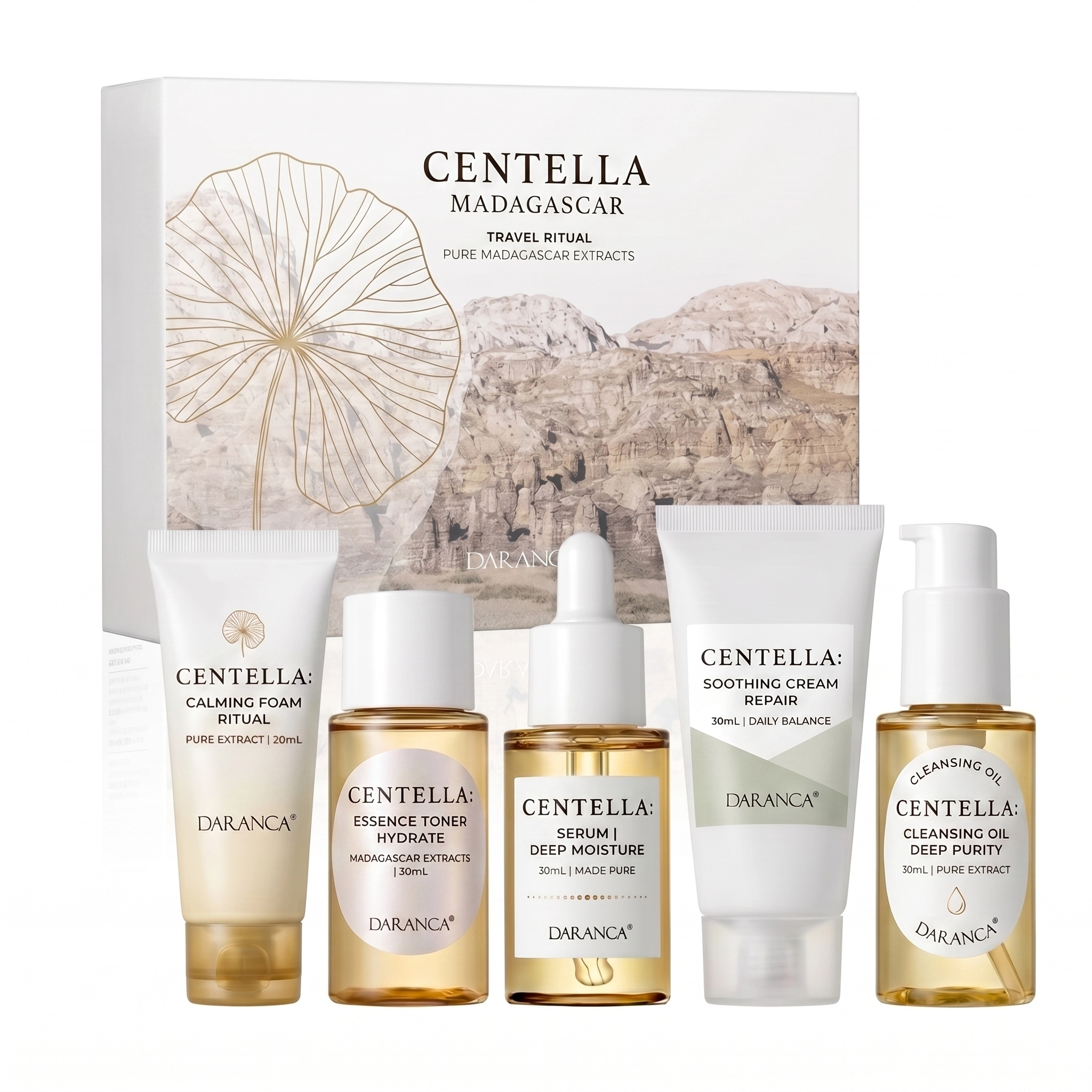
Choosing between facial serum vs facial cream as your first product is more than a formulation decision—it's a strategic business choice that shapes your brand identity, pricing power, and customer acquisition costs.
At iHot Cosmetics (Guangzhou Aihuo Biotechnology Co., Ltd.), we've helped 2,000+ global brands navigate this exact decision over our 10+ years of GMP-certified manufacturing. With 70,000 square meters of ISO-certified facilities, 15 automated production lines, and 100,000-class cleanrooms, we've seen firsthand which product launches succeed—and which stall.
A facial serum is a lightweight, concentrated liquid formulated with high levels of active ingredients like vitamin C, niacinamide, peptides, or hyaluronic acid. Serums are designed to penetrate deeply into the skin, delivering targeted benefits such as:
- Anti-aging (collagen stimulation, wrinkle reduction)
- Brightening (pigmentation correction, radiance)
- Hydration (multi-weight hyaluronic acid)
- Barrier repair (ceramides, niacinamide)
Serums command premium pricing—often 2–3x higher per milliliter than creams—because consumers perceive them as high-efficacy, science-backed products. This perception allows new brands to:
- Establish credibility quickly with ingredient-transparent marketing
- Achieve higher profit margins even at lower volumes
- Build a hero product that anchors the entire brand story
Industry data supports this: The global skincare serums market reached USD 5.25 billion in 2026 and is projected to grow at 7.28% CAGR through 2031, driven by demand for concentrated actives and clinical outcomes.
- Education-heavy: Customers need guidance on how to layer serums in their routine
- Market penetration: Serums are less universally adopted than creams, requiring targeted marketing
- Formulation complexity: Stable, efficacious serums require advanced R&D capabilities
A facial cream is an emulsion-based product with a richer texture, designed primarily to hydrate, protect, and support the skin barrier. Creams are daily essentials for most consumers and can be formulated for specific skin types (oily, dry, sensitive) or concerns (anti-aging, acne).
- Easier customer education: Everyone understands moisturizers
- Higher volume sales: Families and repeat buyers purchase in bulk
- Broad appeal: Suitable for first-time buyers and mass-market positioning
- Intense competition: Nearly every brand offers face creams, creating pricing pressure
- Lower margins: Price bands are tighter, reducing profitability per unit
- Differentiation difficulty: Standing out requires a clear Unique Selling Proposition (USP)
| Dimension | Facial Serum | Facial Cream |
|---|---|---|
| Price Point | Premium (higher per ml) | Mass to mid-range |
| Profit Margin | Higher (30–50%+) | Moderate (15–30%) |
| Target Audience | Urban, ingredient-savvy, 25–45 age group | Broad, family-oriented, all ages |
| Market Competition | Moderate (growing segment) | High (saturated) |
| Customer Education | Required (routine integration) | Minimal (universal understanding) |
| Upsell Potential | Strong (add cleanser, toner, cream) | Moderate (add serum, treatment) |
| Time to Launch | 3–6 months (complex formulation) | 2–4 months (simpler emulsions) |
| MOQ Flexibility | Varies by manufacturer | Often lower MOQs available |
If you're targeting urban, educated consumers who research ingredients and value clinical efficacy, start with a serum. This positions your brand as science-led and results-driven from day one.
Case Example: Many successful DTC brands (e.g., The Ordinary, Medik8) launched with serums to build credibility before expanding into creams and cleansers.
If your goal is broad accessibility and high-volume sales, a multi-benefit face cream is the safer entry point. Focus on specific skin types (e.g., "hydrating cream for dry skin") to carve out a niche.
For brands with adequate capital, launching one serum SKU and one cream SKU simultaneously allows you to:
- Gauge audience response to each format
- Collect real-world data on repeat purchase rates
- Scale the winner while refining the other
Peptide serums are projected to grow at 8.12% CAGR through 2031, outpacing vitamin C and retinol formulations. Consumers are shifting from antioxidant defense to collagen-stimulating actives, driven by clinical studies showing visible firming results.
Repair & barrier support serums are growing at 10.01% CAGR, eclipsing traditional anti-aging claims. Pollution-induced skin stress and over-exfoliation have made ceramide-rich, microbiome-friendly formulations a top priority.
The men's serum segment is forecast to expand at 11.84% CAGR through 2031—nearly double the overall market. Minimalist, fragrance-light, multi-functional serums (e.g., "Niacinamide 10% + Zinc 1%") resonate strongly with male consumers.
Online retail is growing at 12.81% CAGR, fueled by AI skin diagnostics and subscription models. DTC brands can now test formulations, gather feedback, and iterate in under six months—a pace impossible for legacy brands.
As a GMP-certified, ISO 22716-compliant manufacturer with 10+ years of OEM/ODM expertise, iHot Cosmetics (Guangzhou Aihuo Biotechnology Co., Ltd.) offers:
- Custom formulation for serums (vitamin C, peptides, niacinamide) and creams (barrier repair, anti-aging, hydration)
- Ready-made formulas from our library of proven, market-tested SKUs
- Packaging, design, and regulatory support for global markets (US, EU, Asia)
- Scalable production from low MOQs to mass volumes across 15 automated lines
- 100,000-class cleanroom ensuring pharmaceutical-grade quality
Our clients trust us because: We don't just manufacture—we strategize. From ingredient selection to claim substantiation, we help you launch with confidence.
1. Define your brand positioning: Premium (serum-first) or mass (cream-first)?
2. Identify your target audience: Ingredient-savvy urbanites or family-oriented buyers?
3. Choose your hero active: Peptides, niacinamide, vitamin C, or ceramides?
4. Partner with the right manufacturer: Look for GMP, ISO 22716, and export experience
5. Test before scaling: Launch one SKU, gather feedback, then expand
Don't gamble on your first product. Partner with iHot Cosmetics—a GMP-certified, 10+ year veteran trusted by 2,000+ global brands.
Contact us today for:
- Free formulation consultation
- Sample requests (serum or cream)
- Custom quotes based on your MOQ and market
Website: [Your Website URL]
Email: [Your Email]
WhatsApp: [Your Contact Number]

A1: For premium positioning and higher margins, launch a facial serum first. For mass-market appeal and easier education, start with a facial cream. Your choice should align with your target audience and brand strategy.
A2: Yes, typically. Serums require higher concentrations of actives and more complex stabilization, increasing R&D and production costs. However, their premium pricing often offsets this, delivering higher profit margins.
A3: Yes, especially if targeting ingredient-conscious consumers. However, adding a cream or moisturizer later helps complete the skincare routine and increases customer lifetime value.
A4: With an experienced manufacturer like iHot Cosmetics, custom formulation takes 3–6 months for serums and 2–4 months for creams, including stability testing, packaging design, and regulatory compliance.
A5: Prioritize GMP (Good Manufacturing Practice), ISO 22716, and export experience to your target markets (e.g., FDA for US, EU CPNP). These ensure quality, safety, and regulatory compliance.
1. Mordor Intelligence. "Skincare Serums Market Size, Share & 2031 Growth Trends Report." April 2026. [https://www.mordorintelligence.com/industry-reports/skincare-serums-market]
2. Bo International. "Face Serum Vs Face Cream: Which Skincare Product To Launch?" March 2026. [https://www.bointernational.net/blogs/face-serum-vs-face-cream]
3. National Institutes of Health. "Pollution and Skin Aging: Oxidative Stress and Aryl Hydrocarbon Receptor Activation." [https://www.nih.gov]
4. European Commission. "Regulation (EU) 2024/996 on Cosmetic Products." [https://ec.europa.eu]
5. iHot Cosmetics (Guangzhou Aihuo Biotechnology Co., Ltd.). Internal company data and client case studies, 2015–2026.
Hot Tags: China, Global, OEM, private label, manufacturers, factory, suppliers, manufacturing company


