
Views: 219 Author: iHot Cosmetics Publish Time: 2025-05-31 Origin: iHot Cosmetics Sale


As a GMP-certified cosmetics manufacturer with over a decade of experience in skincare, personal care, and hair care product development, participating in the Central Asia Beauty Expo 2025 provided a rare, high-value opportunity to closely observe evolving buyer behavior in an emerging yet highly promising region.
For manufacturers like iHot Cosmetics, equipped with a 70,000-square-meter ISO-certified facility, 15 automated production lines, and 100,000-level cleanroom environments, such exhibitions are not merely about visibility—they are about decoding market demand, validating product strategies, and building long-term OEM/ODM partnerships.
The Central Asian beauty market, particularly Kazakhstan, is rapidly transitioning from price-sensitive purchasing to value-driven decision-making. This shift presents significant opportunities for global brands and private label businesses seeking reliable manufacturing partners with scalable, compliant, and customizable capabilities.
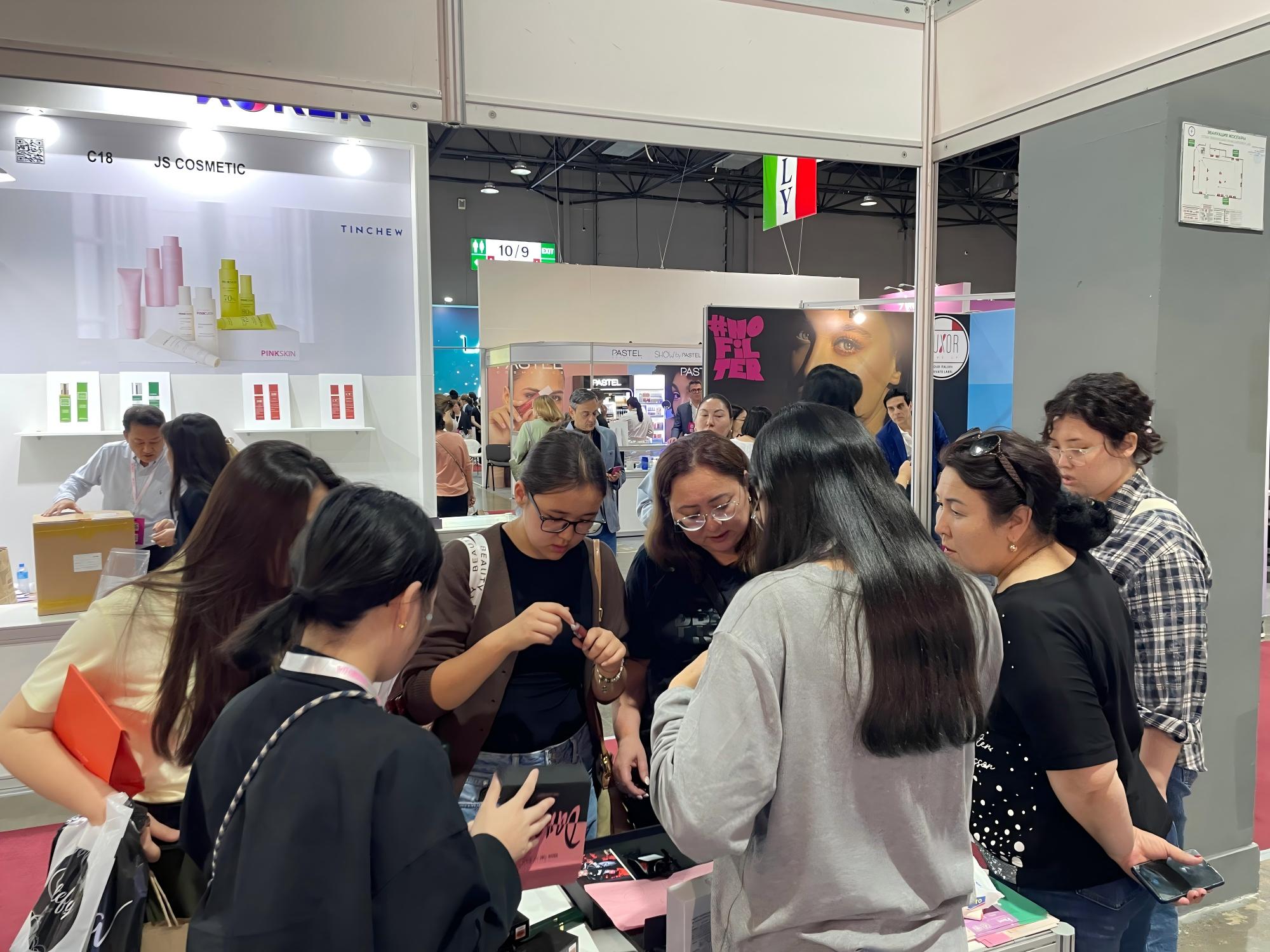
The Central Asia Beauty Expo is widely recognized as the largest and most influential B2B beauty trade show in Kazakhstan and the broader Central Asian region. It serves as a critical gateway for international cosmetic manufacturers aiming to:
- Enter high-growth emerging markets
- Connect with regional distributors and retail chains
- Explore OEM/ODM partnerships with local and international brands
- Understand region-specific product preferences and regulatory expectations
Unlike more saturated markets, Central Asia offers a relatively untapped consumer base with increasing purchasing power and a growing appetite for quality personal care products.
From a professional and strategic standpoint, what stood out immediately was the unique rhythm of business discussions. Compared to fast-paced exhibitions in Southeast Asia or Europe, conversations here were:
- More in-depth and relationship-driven
- Focused on long-term cooperation rather than short-term transactions
- Centered around brand building rather than simple product sourcing
This aligns strongly with B2B buyer behavior in developing markets, where trust, reliability, and production transparency are critical decision factors.
One of the most consistent themes across buyer discussions was the demand for hydration-focused skincare solutions. Central Asia's climate, characterized by cold winters and dry air, creates a strong need for:
- Deep moisturizing creams
- Barrier-repair serums
- Multi-layer hydration systems
Buyers showed particular interest in formulations that combine efficacy with comfort—products that are rich but non-greasy, and suitable for daily use across seasonal changes.
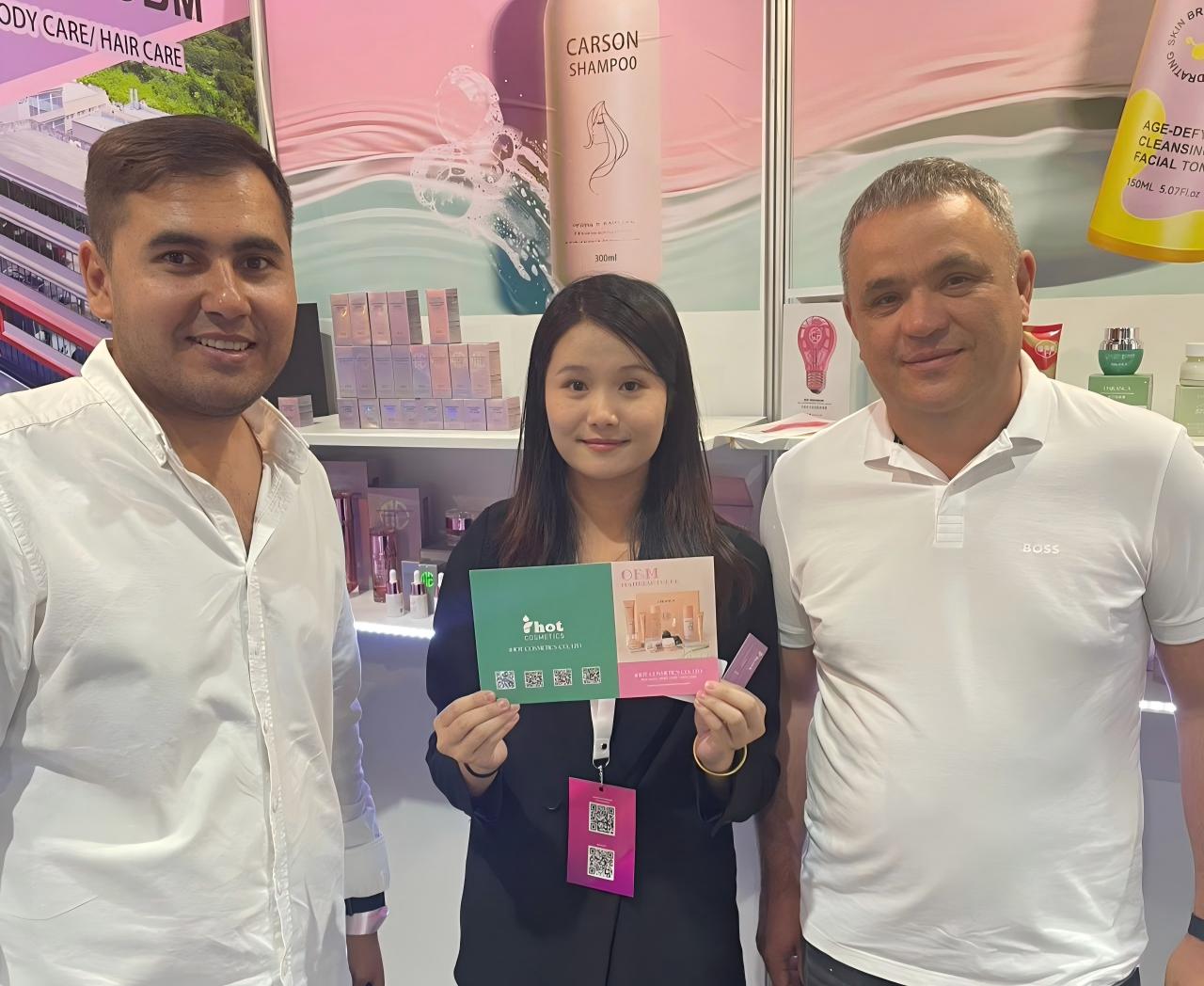
Hair care emerged as another high-growth category, especially:
- Repairing hair masks for damaged and chemically treated hair
- Scalp care treatments addressing dryness and sensitivity
- Mild, family-friendly shampoos with clean formulations
This indicates a shift from basic cleansing products toward treatment-oriented hair care, opening opportunities for OEM/ODM manufacturers with advanced formulation capabilities.
Another notable trend was the increasing demand for inclusive, family-safe personal care lines. Buyers are looking for:
- Gentle formulations suitable for all age groups
- Products free from harsh chemicals
- Multi-functional items that simplify daily routines
This trend aligns with global clean beauty movements but is adapted to local cultural and environmental needs.
A key insight from the expo was that conversations rarely stopped at product specifications. Instead, they naturally evolved into deeper discussions around:
- Brand positioning strategies
- Target market segmentation
- Customized formulation development
- Packaging and design differentiation
This reflects a maturation of the market, where buyers are no longer simply sourcing products but are actively building competitive brands.
For experienced manufacturers like iHot Cosmetics, this shift reinforces the importance of offering comprehensive solutions, including:
- End-to-end product development
- Regulatory and compliance support
- Scalable manufacturing capabilities
- Flexible customization for different markets
Having served over 2,000 brands globally, the ability to translate market insights into viable product lines becomes a key differentiator.
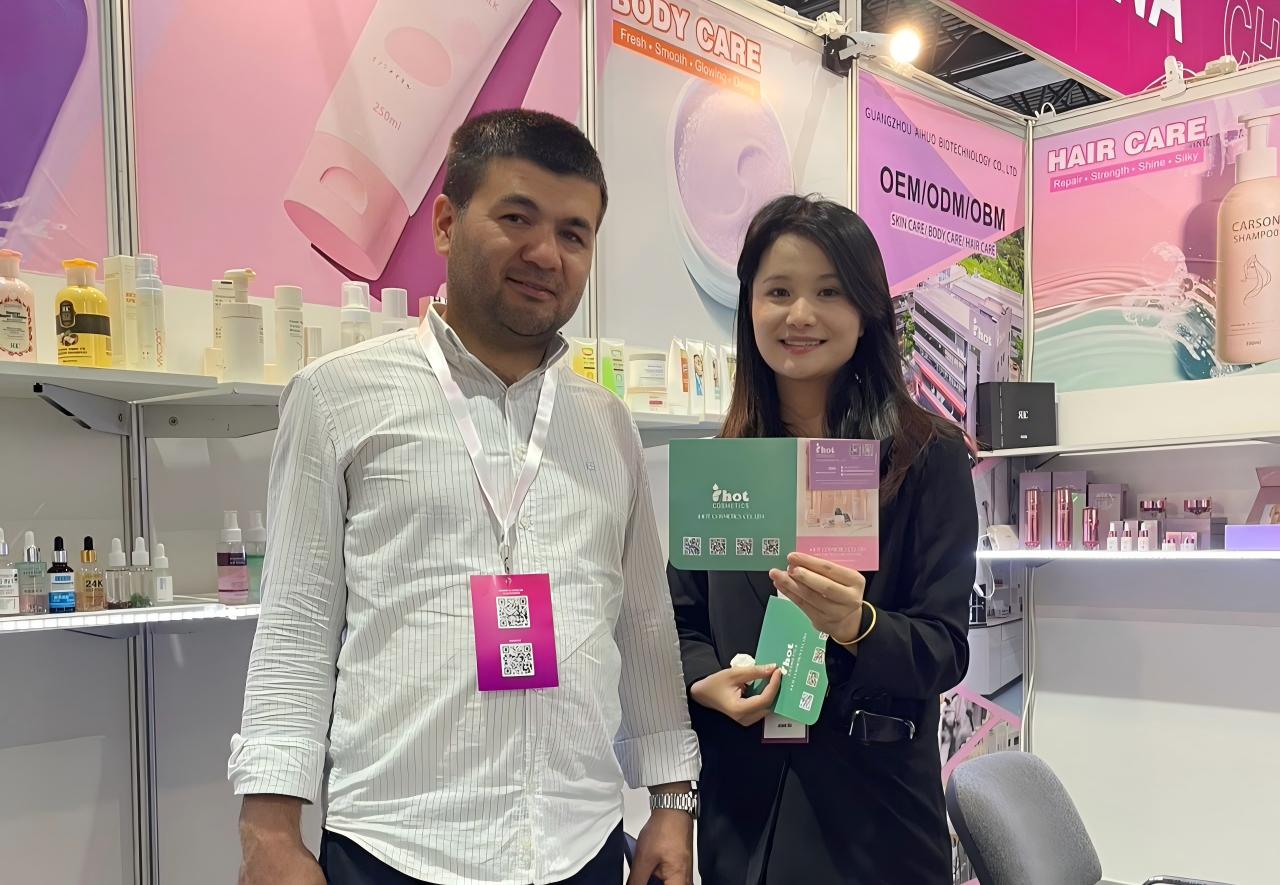
In emerging markets, trust is often built through tangible proof of capability. Buyers showed strong interest in:
- GMP certification and ISO-compliant production environments
- Cleanroom manufacturing standards (100,000-level)
- Automated production lines ensuring consistency and scalability
These factors significantly influence purchasing decisions, especially for distributors planning long-term cooperation.
In conversations with potential partners, transparency about production processes, ingredient sourcing, and quality control played a crucial role. This highlights a broader industry shift toward:
- Supply chain visibility
- Quality assurance documentation
- Sustainable and compliant manufacturing practices
At the Central Asia Beauty Expo 2025, one of the most illustrative experiences involved engaging with a mid-sized regional distributor looking to expand into private label skincare and hair care. Unlike transactional buyers, this client approached discussions with a clear long-term vision, focusing on building a differentiated brand tailored to Central Asia's climate and consumer preferences.
The initial conversation began with product inquiries, specifically hydrating facial creams and repairing hair masks. However, it quickly evolved into a deeper exploration of formulation performance under extreme seasonal conditions. The client emphasized the need for products that could perform effectively in both harsh winters and dry summers, without compromising skin comfort or causing irritation.
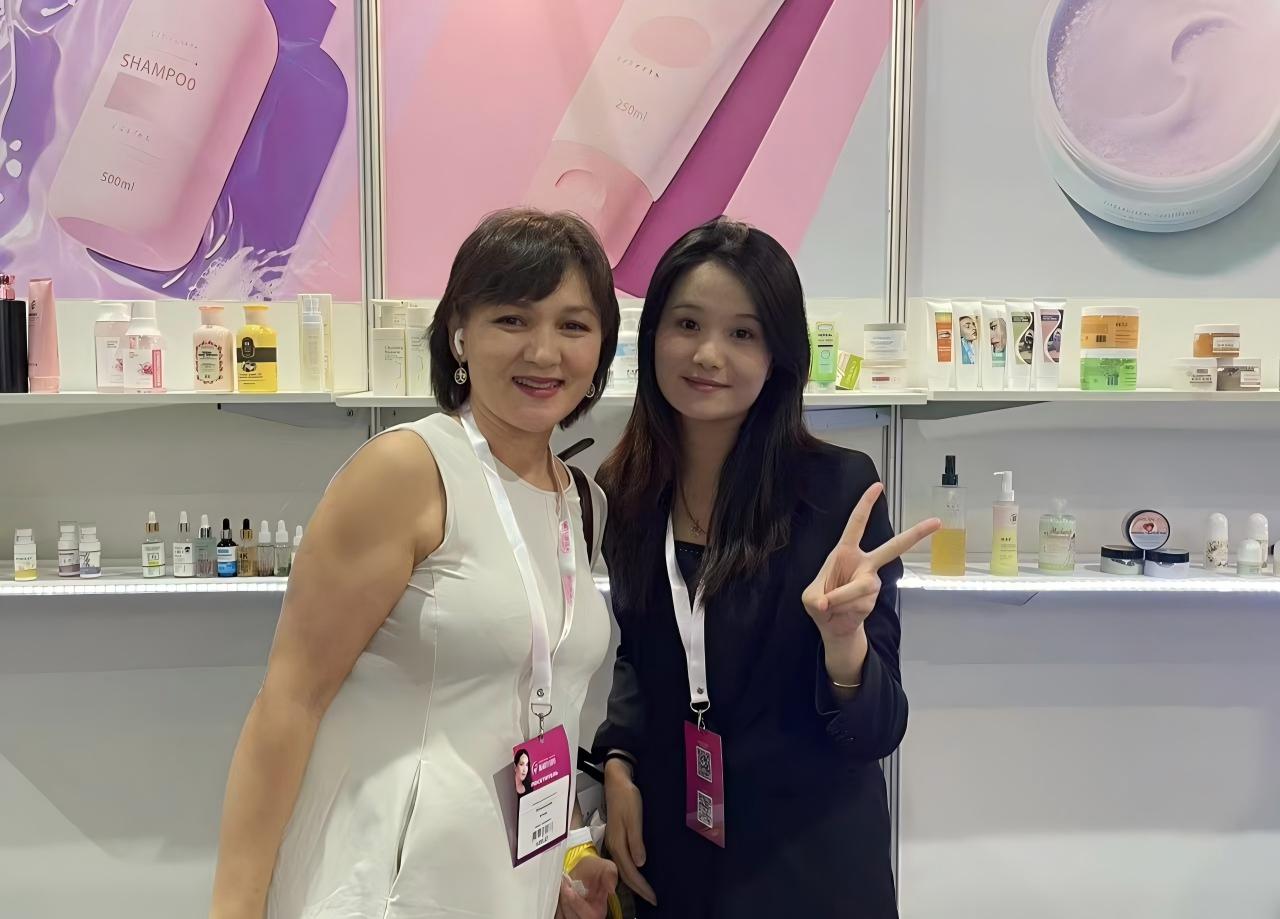
Drawing on our experience as a GMP-certified manufacturer with over 10 years in formulation development, we proposed a series of customized solutions. For skincare, this included multi-layer hydration systems combining humectants and occlusive agents to ensure long-lasting moisture retention. For hair care, we recommended intensive repair masks enriched with conditioning agents designed to restore damaged hair while maintaining a lightweight feel.
What made this interaction particularly valuable was the shift from product selection to brand strategy. The client expressed interest in positioning their brand as a "family-friendly yet performance-driven" line. This required not only adjustments in formulation but also careful consideration of packaging design, ingredient transparency, and marketing messaging.
We supported this transition by offering a full OEM/ODM solution, including formulation customization, packaging recommendations, and compliance guidance. Our ISO-certified facility and 100,000-level cleanroom environment provided the assurance needed for the client to consider scaling production for regional distribution.
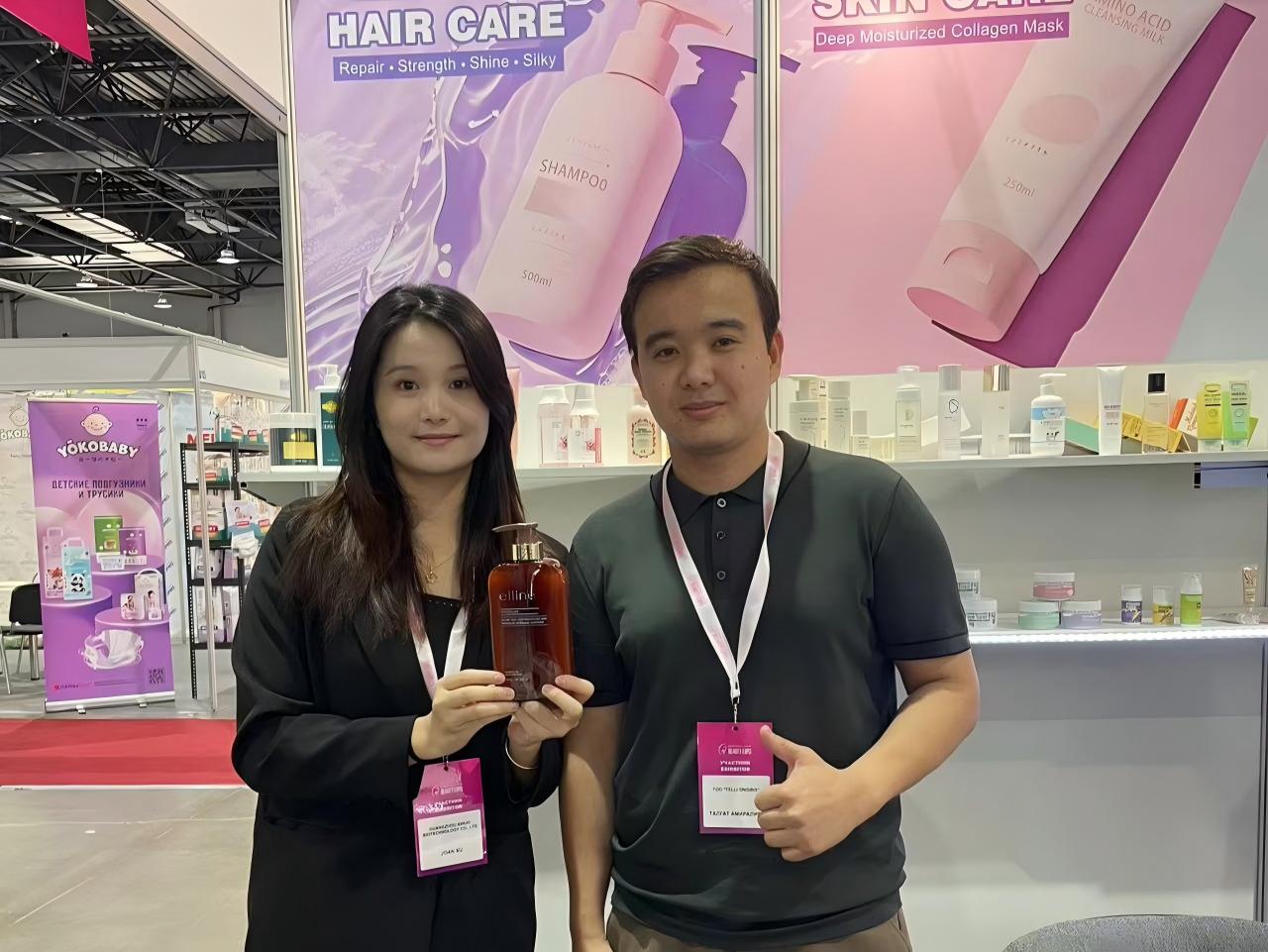
Another critical aspect of this collaboration was trust-building. The client requested detailed insights into our manufacturing processes, quality control systems, and previous project experience. By sharing our track record of serving over 2,000 global brands and demonstrating our automated production capabilities across 15 production lines, we were able to establish credibility and confidence.
By the end of the exhibition, the discussion had progressed from initial product interest to a structured roadmap for product development and market entry. This included sample development timelines, branding direction, and potential launch strategies for the Kazakhstan market.
This case highlights a broader trend observed throughout the expo: buyers in Central Asia are increasingly seeking strategic partners rather than simple suppliers. Manufacturers who can combine technical expertise, customization flexibility, and market insight are best positioned to succeed in this evolving landscape.


