
Views: 241 Author: iHot Cosmetics Publish Time: 2025-10-30 Origin: iHot Cosmetics Sale


Beautyworld Middle East 2025, one of the most influential global beauty trade shows, once again proved why it remains a strategic gateway for brands seeking OEM skincare, personal care, and hair care manufacturing solutions. As a GMP-certified cosmetics manufacturer with over 10 years of experience, iHot Cosmetics leveraged this international platform to engage with both long-term partners and emerging brands exploring customized formulation, premium texture upgrades, and scalable production.
Held at the Dubai World Trade Centre (DWTC), the exhibition brought together global buyers, private label brands, distributors, and formulation experts. From an industry expert perspective, this event was not just about showcasing products—it was about identifying market shifts, validating product development directions, and strengthening global supply chain collaborations.
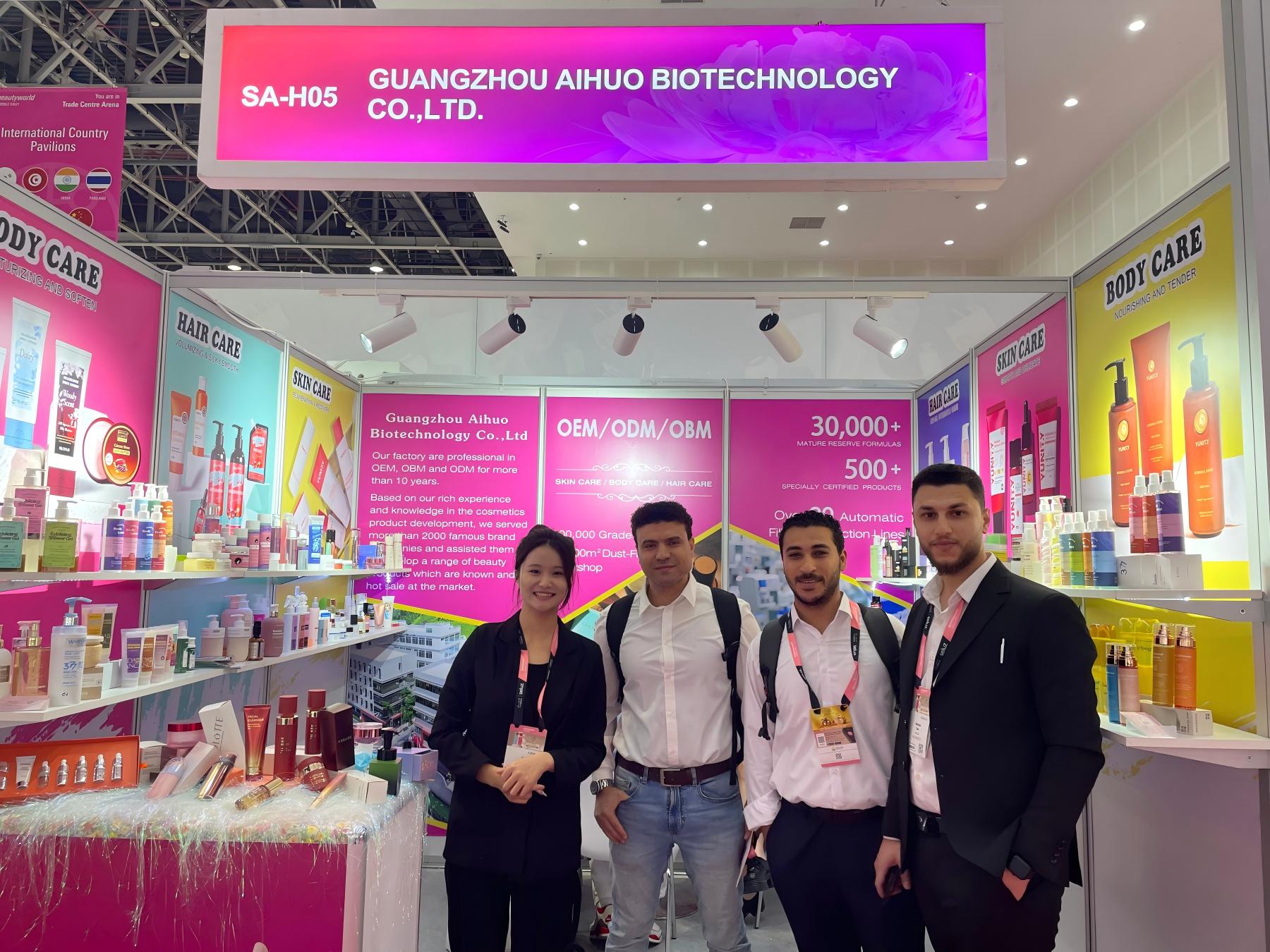
Before diving into the exhibition experience, it is important to understand the manufacturing capabilities behind the conversations.
iHot Cosmetics operates a 70,000-square-meter ISO-certified facility equipped with:
- 15 automated production lines ensuring consistent, high-volume output
- 100,000-class cleanrooms for safe and compliant formulation and filling
- GMP-certified processes aligned with international quality standards
- End-to-end OEM/ODM solutions covering R&D, formulation, packaging, and compliance
With experience serving over 2,000 global brands, the company has built a reputation for reliability, scalability, and innovation in skincare, personal care, and hair care manufacturing.
Beautyworld Middle East is widely recognized as the largest beauty trade fair in the region and one of the most strategically important events for brands entering the Middle Eastern, African, and South Asian markets.
Key reasons this exhibition remains essential:
- Access to high-growth markets with increasing demand for premium and halal-compliant beauty products
- Direct connection with distributors, retailers, and private label brands
- Real-time validation of product concepts and formulation trends
- Opportunities to establish OEM/ODM partnerships for scalable production
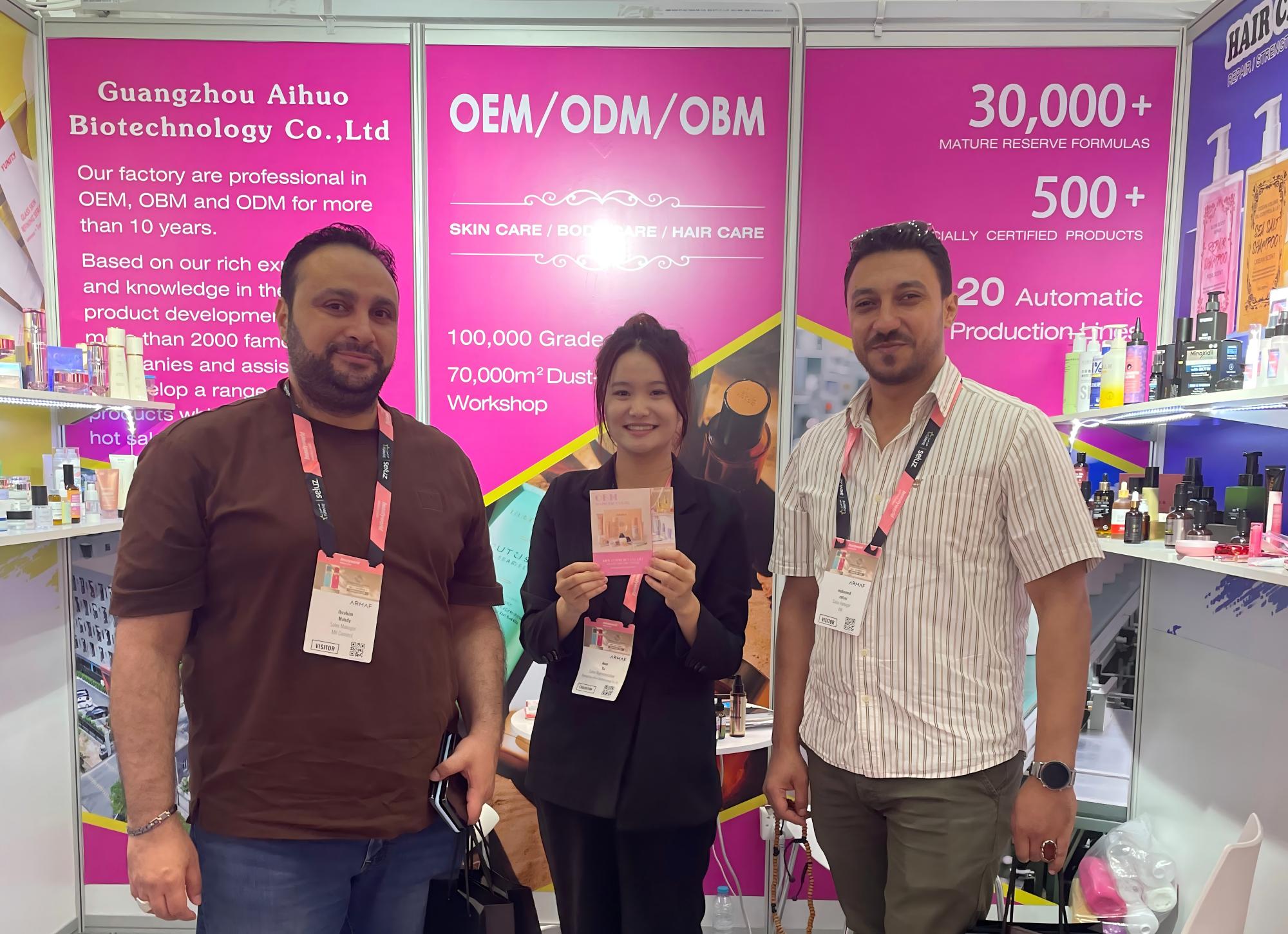
Returning to Dubai for Beautyworld Middle East 2025 felt less like attending a trade show and more like reconnecting with long-term partners. Many clients who visited the booth were not new prospects—they were existing collaborators who came prepared with specific product development goals.
This shift highlights an important industry evolution: buyers are becoming more informed, more strategic, and more focused on differentiation.
Several recurring product requests included:
- Vitamin C brightening serums targeting uneven skin tone and dullness
- Scalp care solutions addressing hair thinning and sensitivity
- Sulfate-free hair care systems designed for premium and clean beauty positioning
What made these conversations particularly valuable was the level of detail clients brought. Instead of asking for generic formulations, they discussed:
- Desired texture profiles (lightweight, fast-absorbing, non-sticky)
- Target price positioning (mass premium vs. luxury tier)
- Specific ingredient claims (natural, vegan, dermatologically tested)
This indicates a clear shift toward brand-driven product development rather than supplier-led offerings.
One of the most prominent trends observed at Beautyworld Middle East 2025 was the growing demand for customized formulations and texture differentiation.
Brands are increasingly aware that product uniqueness directly impacts market competitiveness. Standard formulations are no longer sufficient, especially in saturated categories like skincare and hair care.
Customization now focuses on:
- Functional differentiation (targeted skin concerns, scalp health, anti-aging)
- Sensory experience (texture, absorption, fragrance profile)
- Regional adaptation (climate suitability, cultural preferences, regulatory compliance)
For example, Middle Eastern markets often prefer richer textures for skincare due to dry climates, while still demanding non-greasy finishes suitable for high temperatures.
Texture has become a critical factor in product positioning. Clients are no longer satisfied with "effective" products—they want formulations that deliver a luxurious user experience.
Popular texture requests included:
- Gel-cream hybrid serums for hydration without heaviness
- Milky emulsions for sensitive skin
- Lightweight scalp serums with quick absorption
From a manufacturing perspective, achieving these textures requires advanced formulation expertise, ingredient compatibility testing, and precise production control—areas where ISO-certified and GMP-compliant facilities provide a clear advantage.
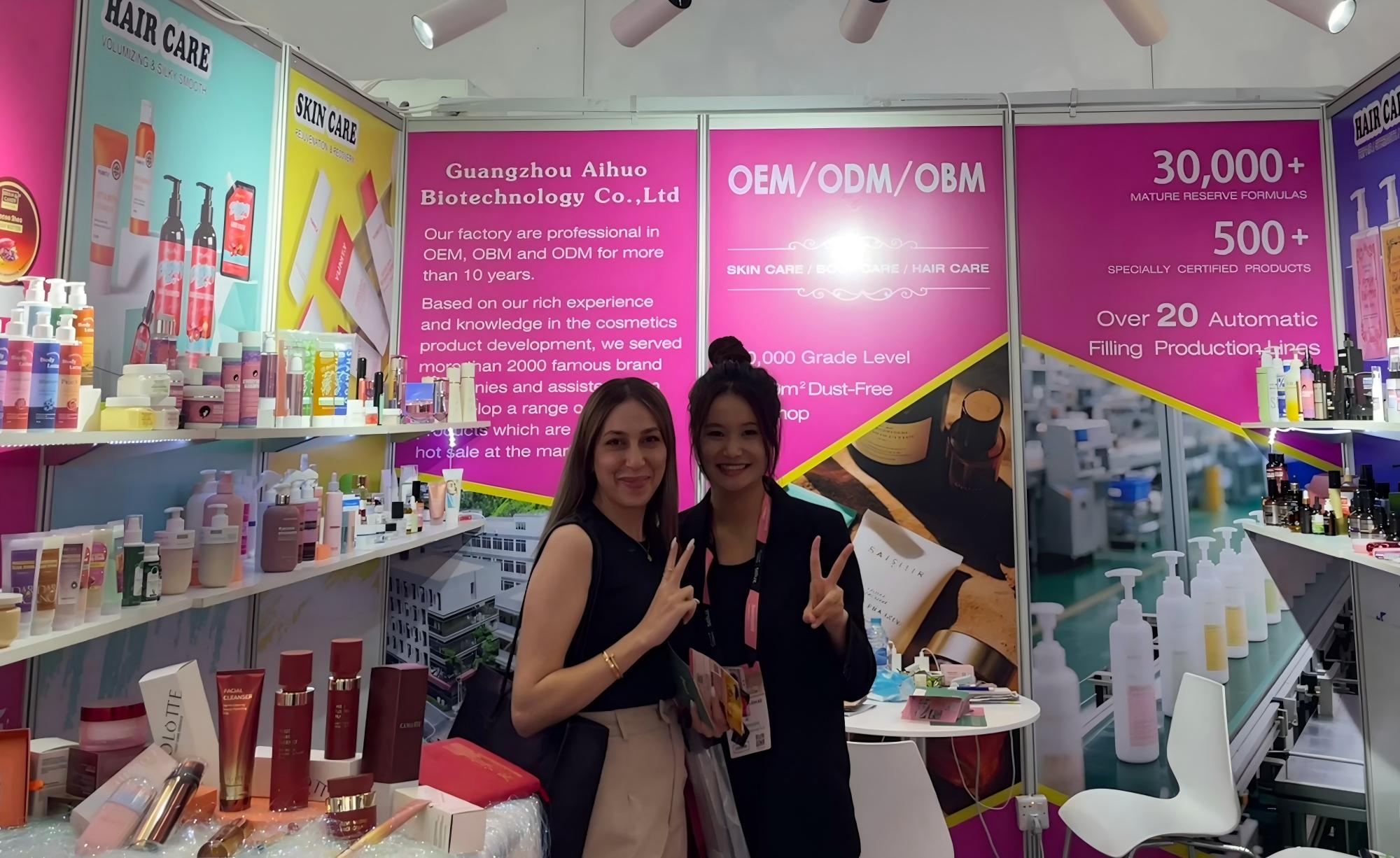
The exhibition reinforced the evolving role of OEM/ODM manufacturers—not just as producers, but as strategic partners in brand development.
Modern beauty brands expect manufacturers to contribute to:
- Product concept development
- Market trend analysis
- Regulatory guidance for international markets
- Packaging compatibility and sustainability solutions
At iHot Cosmetics, this approach is embedded in the workflow, allowing brands to move from idea to market efficiently.
With increasing global demand, scalability and compliance have become essential selection criteria for OEM partners.
Key factors clients evaluated during the exhibition:
- Production capacity (ability to handle rapid growth)
- Certification standards (GMP, ISO)
- Cleanroom environments for sensitive formulations
- Quality control systems ensuring batch consistency
The 70,000-square-meter facility and automated production lines were frequently highlighted as trust-building elements during client discussions.
During Beautyworld Middle East 2025, a returning client from the Middle East, who had previously launched a basic skincare line, visited the booth with a clear objective: to upgrade their brand positioning into the premium segment. Rather than starting from scratch, they aimed to refine and elevate their existing product portfolio.
Their focus was on developing a vitamin C brightening serum that could stand out in an increasingly competitive market. However, their requirements went far beyond standard formulation requests.
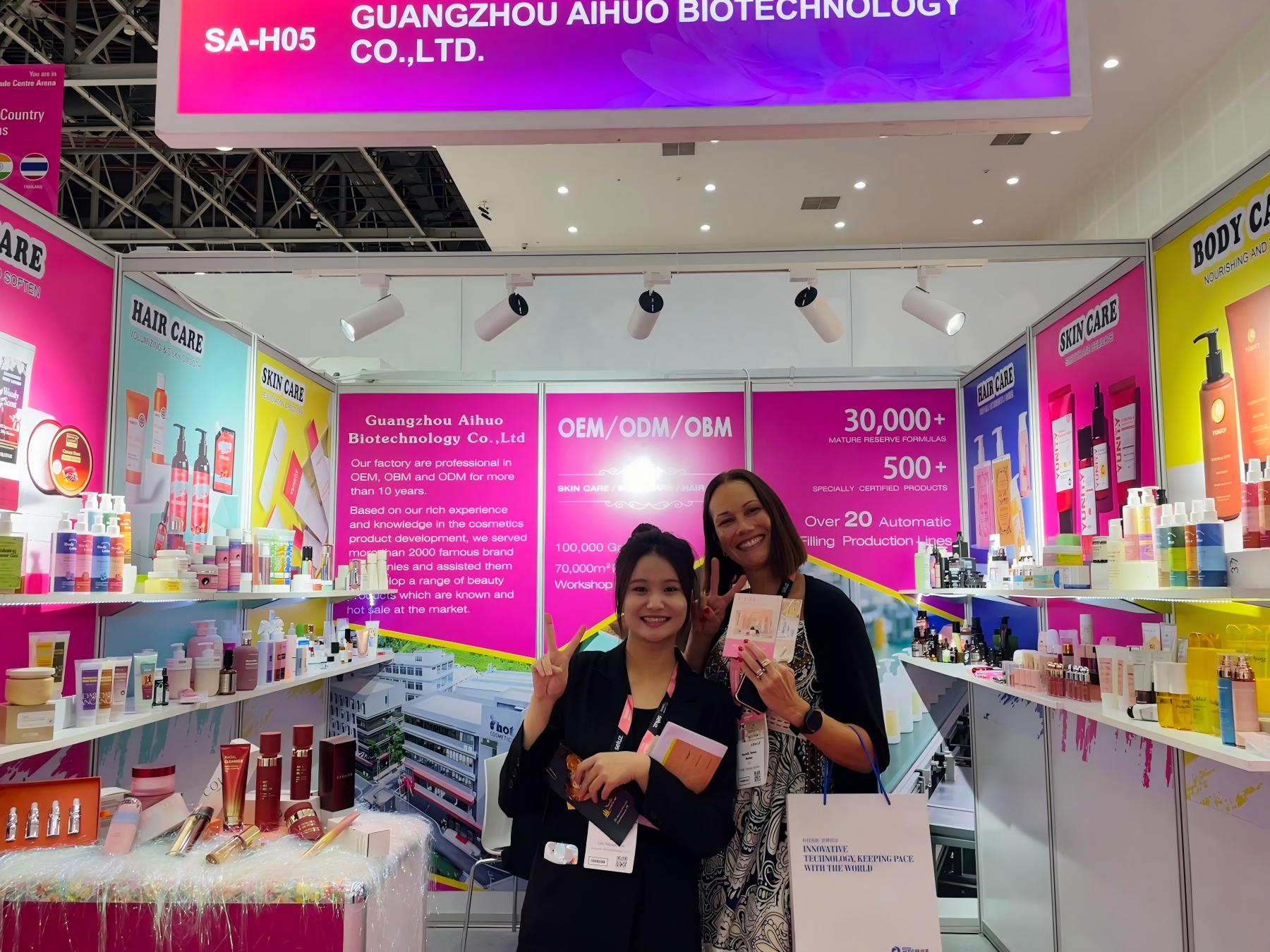
First, they emphasized texture. The client wanted a serum that felt lightweight and fast-absorbing but still delivered a noticeable hydration effect. This was particularly important for their target market, where consumers often layer multiple products and prefer non-sticky finishes in hot climates.
Second, they required customization in ingredient positioning. While vitamin C was the core active, they wanted to incorporate complementary ingredients such as hyaluronic acid and botanical extracts to enhance both efficacy and marketing appeal. At the same time, they requested a formulation suitable for sensitive skin, which added complexity to ingredient selection and stability.
Third, packaging compatibility became part of the discussion. The client planned to use airless pump bottles to preserve ingredient stability, which required adjustments in viscosity and formulation behavior during filling.
From our side as a manufacturer, the process involved several stages:
- Initial concept validation based on market trends and feasibility
- Prototype development with multiple texture variations
- Stability testing to ensure performance under high temperatures
- Compatibility testing with chosen packaging materials
What made this case particularly meaningful was the collaborative nature of the process. The client was not simply purchasing a product—they were co-developing a solution tailored to their brand identity and target audience.
By the end of the exhibition, we had aligned on a development roadmap, including sample timelines and testing phases. This interaction demonstrated how exhibitions like Beautyworld Middle East serve not just as sales platforms, but as critical touchpoints for innovation, partnership, and long-term brand growth.


