
Views: 220 Author: cosmeticsinhot Publish Time: 2025-10-23 Origin: Site


Content Menu
● Understanding the Role of a Toner
● Humectants, Emollients, and pH Balance
● Active Ingredients and Their Purposes
● Sensitivity and Irritation Risk
● Formulation Styles and Delivery Systems
● The Importance of Formulation Stability
● Application Technique and Routine Integration
● Evaluating Efficacy: What to Look For
● Common Pitfalls and How to Avoid Them
● Tailoring Your Toner Choice to Goals
● Ethical and Regulatory Considerations
● Practical Tips for Consumers
● Summary of Key Factors That Make a Toner Effective
A toner is more than a simple cosmetic step; it serves as a foundational layer that prepares the skin, balances pH, and enhances the efficacy of subsequent treatments. An effective toner can soothe irritation, brighten the complexion, and help lock in moisture. However, with countless formulas and terminology, choosing the right toner can feel overwhelming. This article explores the essential factors that determine toner effectiveness, offering practical guidance to help you select or formulate a toner that delivers real results.
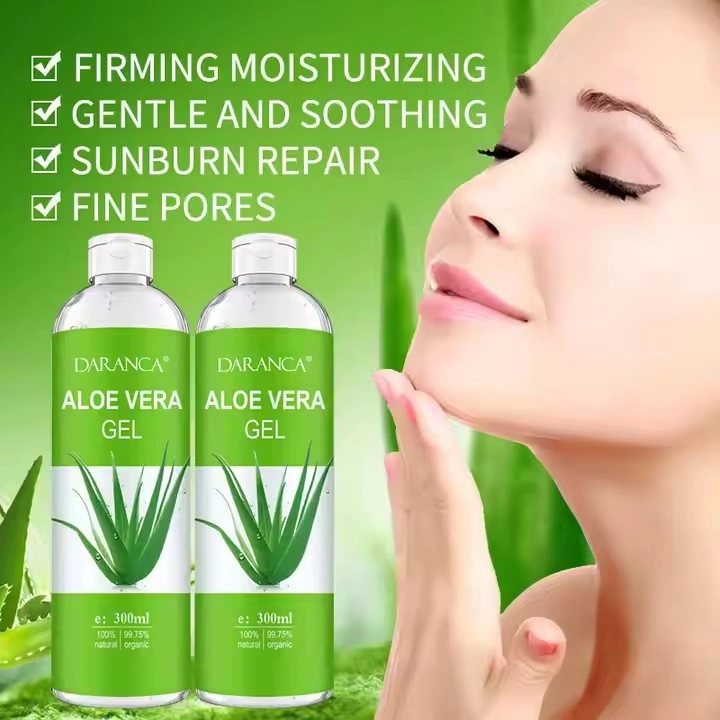
Toners occupy a unique niche in skincare routines. They follow cleansing and precede serums or moisturizers, acting as a bridge between cleansing and treatment. The most effective toners do more than remove residual impurities; they optimize the skin's surface, refine texture, and set the stage for optimal absorption of active ingredients.
Different skin types demand different toner formulations. Identifying your skin type is the first step toward selecting a toner that will perform well without causing irritation or imbalance.
- Normal and balanced skin: Look for toners that maintain hydration and support a healthy skin barrier without over-stimulating oil production.
- Oily or acne-prone skin: Choose alcohol-free toners with salicylic acid, witch hazel, or pore-minimizing botanicals to prevent over-drying and to reduce sebum without triggering rebound oiliness.
- Dry and sensitive skin: Prioritize hydrating toners with glycerin, hyaluronic acid, and soothing extracts such as chamomile or aloe to calm irritation and lock in moisture.
- Combination skin: A balancing toner that adapts across zones can help maintain harmony between dry and oily areas without harsh toners on the T-zone.
Two core functional categories in toners are humectants and emollients. Humectants attract water to the skin, while emollients help seal moisture and improve texture. The skin's pH balance is another crucial factor; a toner that is close to the skin's natural pH (around 4.5 to 5.5 for most individuals) supports the barrier function and reduces irritation.
- Humectants: Glycerin, propanediol, hydrating plant extracts.
- Emollients: NaPCA, fatty alcohols, natural oils in small, non-greasy amounts.
- pH considerations: Toners marketed as pH-balanced or pH-aware often deliver more consistent results, particularly for sensitive or reactive skin.
An effective toner often contains carefully chosen active ingredients tailored to specific concerns. Understanding these ingredients helps you align a toner with your skincare goals.
- Hydration-focused ingredients: Hyaluronic acid, panthenol (pro-vitamin B5), glycerin.
- Brightening and even-toning agents: Niacinamide, licorice root extract, vitamin C derivatives.
- Exfoliating agents: Alpha-hydroxy acids (AHAs) such as glycolic acid or lactic acid; polyhydroxy acids (PHAs) are gentler alternatives.
- Soothing and anti-inflammatory ingredients: Chamomile, allantoin, niacinamide in calm concentrations.
- Antioxidants: Green tea extract, vitamin E, ferulic acid help protect the skin from environmental stressors.
The sensitivity profile of a toner is an important determinant of its effectiveness for your skin. Even potent actives can be counterproductive if they trigger irritation, redness, or dryness. To minimize risk:
- Start with lower concentrations of acids or active compounds and gradually increase as tolerated.
- Avoid toners with high concentrations of fragrance, essential oils, or denatured alcohol, especially for sensitive or reactive skin.
- Patch-test new products on a small area of skin for 24 to 48 hours before full-face application.
Toners come in various formulations, and the delivery system can influence how effectively the product works.
- Water-based toners: Lightweight, fast-absorbing, suitable for most skin types.
- Hydrating mists: Fine sprays that refresh and hydrate, often containing humectants plus soothing botanicals.
- Astringent or clarifying toners: More suitable for oily or congested skin, but can be drying if not formulated carefully.
- Toner tonics with lipid components: Emulsified formulas that deliver mild oils or ceramides to support the skin barrier.
- Prebiotic or probiotic toners: Aim to balance the skin microbiome, potentially improving resilience and texture.
An effective toner maintains stability across temperature changes, shelf life, and UV exposure. Stability affects how long the active ingredients remain effective and how consistently the product performs over time. Look for:
- Stabilized emulsions and properly preserved formulas to prevent microbial growth.
- Clear labeling of ingredients and concentration ranges where applicable.
- Packaging that protects from light and air exposure, such as opaque bottles or airless packaging.
How you apply a toner can influence its effectiveness as much as its formulation.
- Use with clean hands or a reusable toner pad to minimize contamination.
- Pat or press the product onto the skin rather than aggressive swiping, which can irritate sensitive skin.
- Follow with serums and moisturizers to lock in hydration and piggyback on active ingredients.
- Apply within a consistent daily routine and adjust frequency based on skin response and product instructions.
Measuring a toner's effectiveness requires observing changes over time and noting any adverse reactions.
- Hydration: Softer skin, fewer tight sensations after cleansing.
- Texture: Reduced roughness and improved smoothness with continued use.
- Tone and brightness: More even complexion and subtle glow over weeks to months.
- Pore appearance: Minor improvements in perceived pore size and clarity.
- Irritation: Absence of redness, stinging, or burning during and after application.
- Overusing astringent toners on dry or sensitive skin leading to barrier disruption.
- Relying on brightening toners without sunscreen, which can worsen hyperpigmentation under sun exposure.
- Choosing toners solely by fragrance or trendy ingredients without considering skin type and compatibility.
- Ignoring packaging or storage conditions that compromise ingredient stability.
Different skincare goals require specific toner features.
- Anti-aging goals: Toners with antioxidants, niacinamide, and gentle exfoliating acids can complement retinoid regimens.
- Acne prevention: Salicylic acid toners or those with zinc and antiseptic botanicals can help manage oil and bacteria.
- Brightening and even skin tone: Vitamin C derivatives, licorice extract, and niacinamide support radiance while stabilizing moisture.
- Sensitive barrier support: Soothing botanicals, ceramides, and panthenol help rebuild and maintain barrier integrity.
If you're considering formulating a toner, keep these practical guidelines in mind.
- Define your target skin concerns and select ingredients with complementary actions.
- Start with a simple base: water or glycerin with a humectant and a mild active.
- Ensure compatibility of actives to avoid antagonistic interactions (for example, avoid high concentrations of strong acids with sensitive botanicals).
- Test stability and microbiological safety under recommended storage conditions.
- Document batch formulation details for consistency and regulatory compliance.
For commercial products, ensure compliance with regional cosmetic regulations, including ingredient restrictions, labeling requirements, and safety testing. Transparent ingredient lists and clear usage instructions help consumers make informed choices and reduce the risk of adverse reactions.
- Read ingredient lists and avoid products with irritants or known allergens if you have sensitive skin.
- Start with a trial size to gauge tolerance and effectiveness before committing to a full-size bottle.
- Consider climate and seasonal changes that affect skin moisture and sensitivity.
- Use sunscreen daily to support the long-term benefits of toning, especially when using exfoliating acids.
- Appropriate formulation for your skin type
- Balanced pH to support the skin barrier
- Thoughtful selection of humectants and emollients
- Active ingredients aligned with your skin goals
- Gentle, stable formulations with reliable packaging
- Proper application technique and routine integration
- Consideration of safety, sensitivity, and regulatory compliance
- How often should I use toner in my daily skincare routine?
Most people benefit from using toner twice daily, after cleansing and before applying serums and moisturizers. If your skin is very dry or sensitive, start with once a day and adjust as tolerated.
- Can toner replace moisturizer?
No, toner complements moisturizer by preparing the skin and adding hydrating benefits, but it should not substitute a dedicated moisturizer, especially for dry skin.
- Are toners with acids suitable for beginners?
Toners containing AHAs or PHAs can be effective but may cause irritation if you have sensitive skin. Start with low concentrations and patch-test before regular use.
- What ingredients should I avoid in toners for sensitive skin?
Avoid high concentrations of fragrance, denatured alcohol, menthol, and essential oils that can irritate sensitive individuals.
- How can I determine if a toner is right for my skin type?
Consider your skin type, concerns, and tolerance. Look for clear labeling about concentration, pH range, and ingredient lists, and start with a sample or travel size.
- Is it better to use alcohol-free toners?
Alcohol-free toners tend to be gentler on dry and sensitive skin, helping preserve the skin barrier while delivering hydration and soothing ingredients.
- Do toners cause breakouts?
Some toners with active exfoliants can initially cause minor purging or irritation if your skin is not accustomed. Introduce new toners gradually and monitor your skin's response.
- Can toners help with hyperpigmentation?
Toners with stabilized vitamin C derivatives, niacinamide, or alpha-hydroxy acids can contribute to a more even tone when used consistently alongside sun protection.
- Should I use a toner if I already use a serum?
Yes, toners can enhance serum absorption and help balance the skin before applying active ingredients in serums.
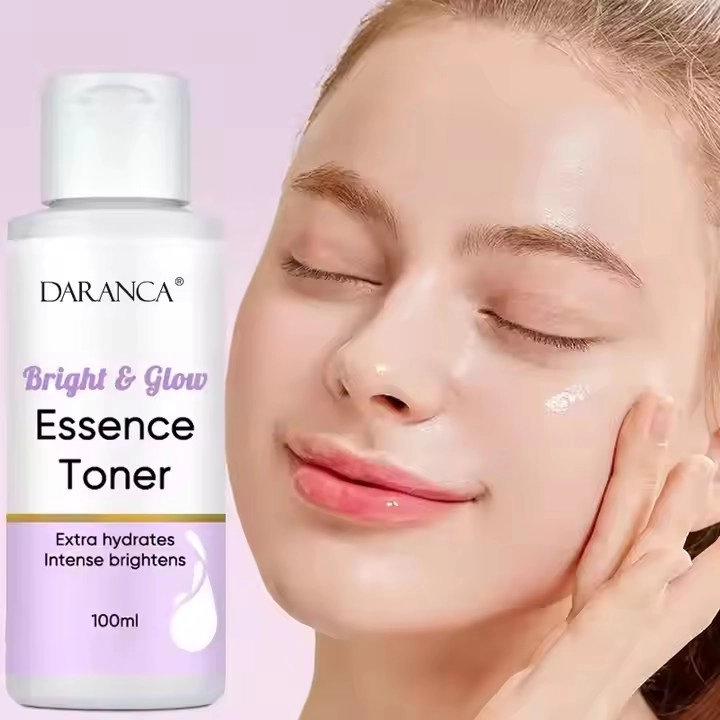
- What is the difference between toners and essences?
Toners typically balance and prep the skin, while essences are slightly more concentrated and aim to deliver targeted hydration and active ingredients for improved absorption.
Hot Tags: China, Global, OEM, private label, manufacturers, factory, suppliers, manufacturing company


