
Views: 220 Author: cosmeticsinhot Publish Time: 2026-01-05 Origin: Site


Content Menu
>> Identifying Rough or Dry Areas
● Choosing the Right Body Lotion
>> Avoiding Harmful Ingredients
● Preparing Your Skin for Lotion Application
>> Exfoliation
>> Cleansing
● Techniques for Applying Body Lotion
>>> Using Your Hands
● Additional Tips for Maintaining Hydrated Skin
● When to Seek Professional Help
Dry skin can be a common issue, especially in certain areas of the body that are more prone to roughness and dryness. Applying body lotion effectively can help restore moisture and improve the overall texture of your skin. In this article, we will explore various tips and techniques for applying body lotion on rough or dry areas, ensuring that your skin remains hydrated and healthy.
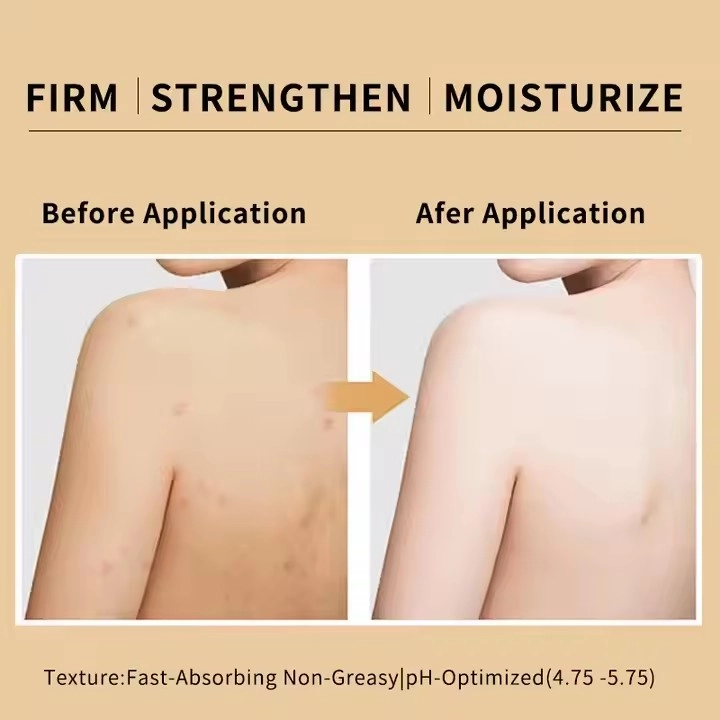
Dry skin can be caused by a variety of factors, including environmental conditions, lifestyle choices, and underlying health issues. Some common causes include:
- Weather Conditions: Cold, dry air can strip moisture from the skin, leading to dryness.
- Hot Showers: Prolonged exposure to hot water can damage the skin's natural oils.
- Harsh Soaps: Some soaps and cleansers can be too harsh, removing essential moisture.
- Dehydration: Not drinking enough water can lead to dry skin.
- Skin Conditions: Conditions like eczema or psoriasis can cause patches of dry skin.
Common areas where dry skin tends to develop include:
- Elbows
- Knees
- Heels
- Hands
- Shins
Recognizing these areas is the first step in ensuring they receive the proper care and attention they need.
When selecting a body lotion for dry or rough areas, consider the following ingredients:
- Hyaluronic Acid: Helps retain moisture in the skin.
- Glycerin: A humectant that draws moisture to the skin.
- Shea Butter: Provides deep hydration and nourishment.
- Ceramides: Help restore the skin barrier and retain moisture.
- Natural Oils: Oils like coconut, almond, or jojoba can provide additional hydration.
Be cautious of lotions that contain:
- Alcohol: Can be drying to the skin.
- Fragrances: May irritate sensitive skin.
- Parabens: Some people prefer to avoid these preservatives.
Before applying lotion, it's essential to exfoliate rough areas. Exfoliation removes dead skin cells, allowing the lotion to penetrate more effectively. You can use:
- Physical Exfoliants: Scrubs with sugar or salt.
- Chemical Exfoliants: Products containing alpha-hydroxy acids (AHAs) or beta-hydroxy acids (BHAs).
Always start with clean skin. Use a gentle cleanser to wash the areas where you plan to apply lotion. This step ensures that dirt and impurities do not hinder the absorption of the lotion.
Using the right amount of lotion is crucial. Too little may not provide adequate hydration, while too much can leave a greasy residue. A good rule of thumb is to start with a quarter-sized amount for each area and adjust as needed.
1. Warm the Lotion: Rub the lotion between your hands to warm it up. This helps it spread more easily.
2. Apply in Circular Motions: Use circular motions to massage the lotion into the skin. This technique not only helps with absorption but also stimulates blood flow.
3. Focus on Rough Areas: Pay extra attention to elbows, knees, and other rough patches, ensuring they receive a generous amount of lotion.
For those who prefer a different method, using a body brush can be effective:
1. Choose a Soft Brush: Select a brush with soft bristles to avoid irritating the skin.
2. Apply Lotion to the Brush: Put a small amount of lotion on the brush.
3. Brush in Circular Motions: Gently brush the lotion onto the skin, focusing on dry areas.
The best time to apply body lotion is right after a shower or bath when your skin is still slightly damp. This helps lock in moisture and enhances the effectiveness of the lotion.
Drinking plenty of water throughout the day is essential for maintaining skin hydration. Aim for at least eight glasses of water daily, and consider increasing your intake during hot weather or after exercise.
In dry climates or during winter months, using a humidifier can add moisture to the air, helping to prevent your skin from drying out.
Wearing breathable fabrics can help your skin retain moisture. Avoid tight clothing that can cause friction and irritation on dry areas.
Make it a habit to apply lotion daily, especially after showering. Consistency is key to maintaining soft, hydrated skin.
If you notice persistent dryness or rough patches that do not improve with regular moisturizing, it may be time to consult a dermatologist. They can provide tailored advice and recommend treatments for underlying skin conditions.
Applying body lotion effectively to rough or dry areas is essential for maintaining healthy skin. By understanding the causes of dry skin, choosing the right products, and employing proper application techniques, you can achieve soft, hydrated skin. Remember to stay consistent with your skincare routine and make adjustments as needed to keep your skin looking and feeling its best.

1. How often should I apply body lotion?
It is recommended to apply body lotion at least once a day, preferably after showering when your skin is still damp.
2. Can I use body lotion on my face?
While some body lotions can be used on the face, it's best to choose a product specifically formulated for facial skin, as it is typically more sensitive.
3. What should I do if my skin is still dry after applying lotion?
If your skin remains dry, consider using a thicker cream or ointment, and ensure you are drinking enough water and using a humidifier if necessary.
4. Is it necessary to exfoliate before applying lotion?
Exfoliating is not strictly necessary, but it can enhance the effectiveness of the lotion by allowing better absorption into the skin.
5. Are there any natural alternatives to commercial body lotions?
Yes, natural oils like coconut oil, olive oil, or shea butter can be effective alternatives to commercial lotions for moisturizing dry skin.
Hot Tags: China, Global, OEM, private label, manufacturers, factory, suppliers, manufacturing company


