
Views: 220 Author: cosmeticsinhot Publish Time: 2025-10-27 Origin: Site


Content Menu
● Understanding oily skin on the body
● What to look for in a body lotion for oily skin
● Best body lotions by skin-friendly performance
● Daily use routine for oily bodies
● Layering with other products
● Ingredient-conscious options
● Sensitive skin considerations
● Practical tips for travel and gym use
● Quick guide to choosing a lotion for your body
● Top contenders for oily skin body care
● How to customize your routine for different climates
● FAQs
Choosing moisturizer can feel counterintuitive when you have oily skin. The worry that any lotion will make skin slick or shiney often leads to skipping moisturizer altogether. Yet, a well-chosen body lotion can balance oil production, maintain hydration, and improve texture without clogging pores or leaving a greasy residue. This guide explores the best body lotions for oily skin types, clarifies what to look for on ingredient labels, and offers practical tips for application to keep skin comfortable and shine-free throughout the day.
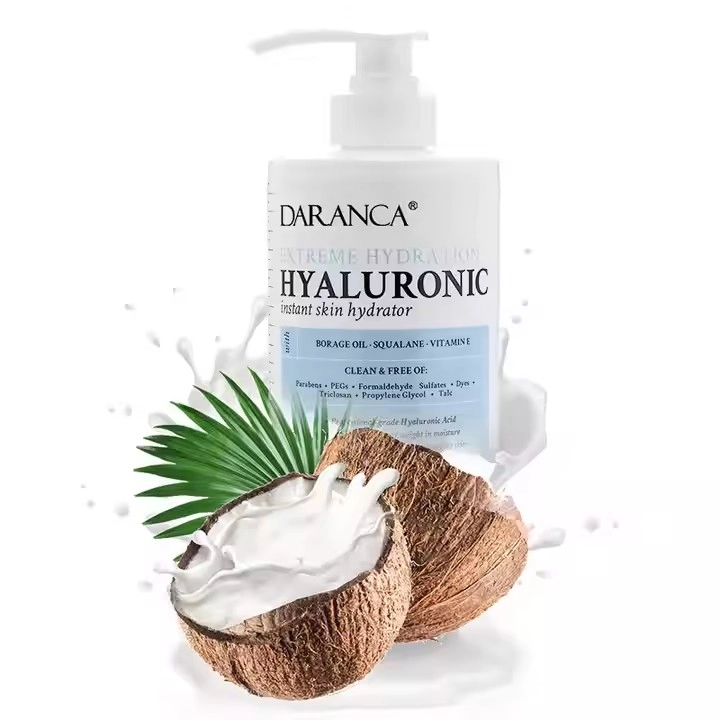
Oily skin is not limited to the face. The chest, back, shoulders, and limbs can produce excess sebum, leading to shininess, breakouts, or a clammy feeling after applying heavy products. The key is to choose formulations that are lightweight, non-comedogenic, and oil-free or oil-controlled. Hydration remains essential, as dehydration can trigger the skin to compensate by producing more oil.
- Lightweight texture: Gel-cream or water-based lotions spread easily and absorb quickly.
- Non-comedogenic and non-acnegenic: formulated to avoid clogging pores.
- Oil-free or oil-control claims: contains ingredients that help manage surface oil.
- Mattifying or pore-minimizing benefits: some formulations include minerals or polymers to reduce shine.
- Suitable for sensitive skin: fragrance-free or minimal fragrance options reduce irritation risk.
- Comedogenic rating: look for low ratings to minimize pore blockage.
Common ingredients that help oily skin include glycerin, hyaluronic acid, niacinamide, zinc, salicylic acid (in small, appropriate concentrations), and ceramides. Also consider products with lightweight emulsifiers and powders that absorb excess oil without stripping moisture.
- Lightweight hydrating lotions with glycerin and hyaluronic acid produce a refreshing feel while delivering long-lasting moisture.
- Niacinamide-containing formulas can support barrier function and reduce visible shininess over time.
- Zinc-containing lotions can help control oil production and provide anti-inflammatory benefits for occasional body breakouts.
- Fragrance-free options are ideal for sensitive or reactive skin and minimize the risk of irritation.
- Apply after showering while the skin is slightly damp to lock in moisture without heaviness.
- Use a pea-to-nickel-sized amount for large areas; adjust based on coverage needed.
- Focus on drier zones or areas prone to shine first, then blend outward.
- Allow full absorption before dressing to prevent transfer to clothing.
- If you experience body breakouts, consider a targeted spot treatment with salicylic acid for affected areas, while using a non-comedogenic lotion elsewhere.
For some people, layering a lighter moisturizer with a mattifying primer or powder can help maintain a matte look throughout the day. If you prefer a single-step routine, select a lotion that combines moisturization with oil-control properties and a breathable finish.
- Water-based formulas: prioritize lotions labeled as “oil-free” or “non-greasy.”
- Silicones: lightweight silicone-based carriers (like dimethicone) can provide slip without heaviness and create a barrier that reduces excess moisture loss.
- AHA/BHA considerations: small amounts of alpha-hydroxy or beta-hydroxy acids in body care can exfoliate and help with mild body breakouts, but start slowly to avoid irritation.
- Ceramides: support barrier repair and can improve the skin's resilience to oil production fluctuations.
- Zinc and salicylic acid: for occasional body acne and shine control, used in moderation.
If you have sensitive or reactive skin, choose fragrance-free formulas and test a small patch on an area such as the inner forearm before applying widely. Look for soothing ingredients like allantoin and aloe vera, but avoid overly active additives if you are unsure how your skin will respond.
- Opt for compact, pump-based bottles to minimize waste and ease application.
- Consider oil-control wipes or blotting sheets for mid-day touchups, especially in hot weather or after workouts.
- Choose fast-absorbing moisturizers to avoid staining clothes or towels.
- If you must reapply after sweating, ensure the product is non-comedogenic to reduce pore irritation.
- Myth: Oily skin doesn't need moisturizer. Reality: Hydration helps regulate oil production and maintain skin balance.
- Myth: Heavy creams are always bad for oily skin. Reality: Some emulsions provide effective hydration without heaviness; the key is the texture and ingredients.
- Myth: Fragrance-free means ineffective. Reality: Fragrance-free products can be equally effective while reducing irritation risk.
- If you want a barely-there feel: look for water-based, gel-cream textures with glycerin and hyaluronic acid.
- If you want long-lasting moisture without shine: seek light lotions with silica or zinc to control oil.
- If you have occasional breakouts: prioritize non-comedogenic formulas with salicylic acid in gentle concentrations.
- If your skin is sensitive: choose fragrance-free, minimal-ingredient options with soothing additives like allantoin.
- Product A: A water-based lotion with glycerin, hyaluronic acid, and niacinamide. Absorbs quickly and leaves a matte finish.
- Product B: An oil-free lotion featuring zinc and silica to control shine and help minimize appearance of pores.
- Product C: A fragrance-free gel-cream with ceramides and glycerin that hydrates without heaviness.
- Product D: A lightweight lotion containing salicylic acid for gentle exfoliation and anti-inflammatory effects.
Note: The above product descriptions illustrate common formulas to look for. When selecting brands, verify ingredients on the product's packaging or official website to ensure compatibility with your skin type and sensitivities.
- Humid environments: lean toward oil-free, fast-absorbing lotions with mattifying properties.
- Dry or air-conditioned environments: consider a slightly richer formula that still prioritizes lightness and non-greasiness.
- Cold weather: maintain hydration with a non-greasy lotion that helps protect against dryness without clogging pores.
- Hot environments: use a daily pivot to a very light, oil-control lotion, and rely on blotting papers for shine management.

- What makes a lotion suitable for oily skin types?
- How often should I apply body lotion if I have oily skin?
- Can I use a sunscreen-containing body lotion if I have oily skin?
- Are there any natural remedies effective for oily body skin?
- How can I tell if a lotion is non-comedogenic?
Hot Tags: China, Global, OEM, private label, manufacturers, factory, suppliers, manufacturing company


