
Views: 220 Author: cosmeticsinhot Publish Time: 2025-11-05 Origin: Site


Content Menu
● Understanding Facial Cleansers
>> Why is Cleansing Important?
● The Benefits of Daily Cleansing
>> 4. Prepares Skin for Other Products
● Choosing the Right Facial Cleanser
>> Understanding Your Skin Type
>>> Oily Skin
>>> Dry Skin
>>> Combination Skin
>>> Sensitive Skin
>> Key Ingredients to Look For
● How to Properly Cleanse Your Face
>> Step-by-Step Cleansing Routine
● Common Misconceptions About Cleansing
>> Myth 1: Cleansing is Only Necessary at Night
>> Myth 2: All Cleansers are the Same
>> Myth 3: Over-Cleansing is Beneficial
Maintaining a healthy skincare routine is essential for achieving and preserving radiant skin. One of the most crucial steps in any skincare regimen is the daily use of a facial cleanser. This article explores the numerous benefits of using a facial cleanser daily, the different types available, and how to choose the right one for your skin type.

A facial cleanser is a product designed to remove dirt, oil, makeup, and impurities from the skin. It is the first step in any skincare routine and sets the foundation for other products, such as toners, serums, and moisturizers. Cleansers come in various forms, including gels, creams, foams, and oils, each catering to different skin types and concerns.
Cleansing is vital for maintaining skin health. Throughout the day, our skin is exposed to environmental pollutants, UV rays, and makeup, which can clog pores and lead to various skin issues. A good facial cleanser helps to remove these impurities, allowing the skin to breathe and regenerate.
One of the primary benefits of using a facial cleanser daily is its ability to remove impurities. Dirt, oil, and sweat accumulate on the skin's surface, leading to clogged pores and breakouts. A daily cleanser effectively washes away these impurities, promoting clearer skin.
Regular cleansing helps to prevent breakouts by keeping pores clear. When pores are clogged with excess oil and dead skin cells, acne can develop. By using a facial cleanser daily, you can minimize the risk of breakouts and maintain a smoother complexion.
Daily cleansing can significantly improve skin texture. Cleansers help to exfoliate the skin, removing dead skin cells that can make the skin appear dull and uneven. This process reveals fresher, healthier skin underneath, resulting in a more radiant complexion.
Cleansing is essential for preparing the skin to absorb other skincare products effectively. When the skin is clean, it can better absorb serums, moisturizers, and treatments, maximizing their effectiveness. This step is crucial for achieving the best results from your skincare routine.
For those with oily or combination skin, daily cleansing can help balance oil production. A good facial cleanser removes excess oil without stripping the skin of its natural moisture. This balance is essential for preventing both oily and dry patches, leading to healthier skin overall.
Many modern facial cleansers are formulated with hydrating ingredients that help maintain the skin's moisture barrier. This is particularly important for individuals with dry or sensitive skin. A hydrating cleanser can cleanse the skin without causing dryness or irritation.
Regular cleansing can also contribute to reducing the signs of aging. By keeping the skin clean and free from impurities, you can help prevent premature aging signs such as fine lines and wrinkles. Additionally, a clean canvas allows anti-aging products to penetrate more effectively.
Daily cleansing can lead to a more even skin tone. By removing dead skin cells and impurities, cleansers help to brighten the complexion and reduce the appearance of dark spots and discoloration. This can result in a more uniform and radiant skin tone over time.
To reap the full benefits of a facial cleanser, it's essential to choose one that suits your skin type. Here's a breakdown of different skin types and the best cleansers for each:
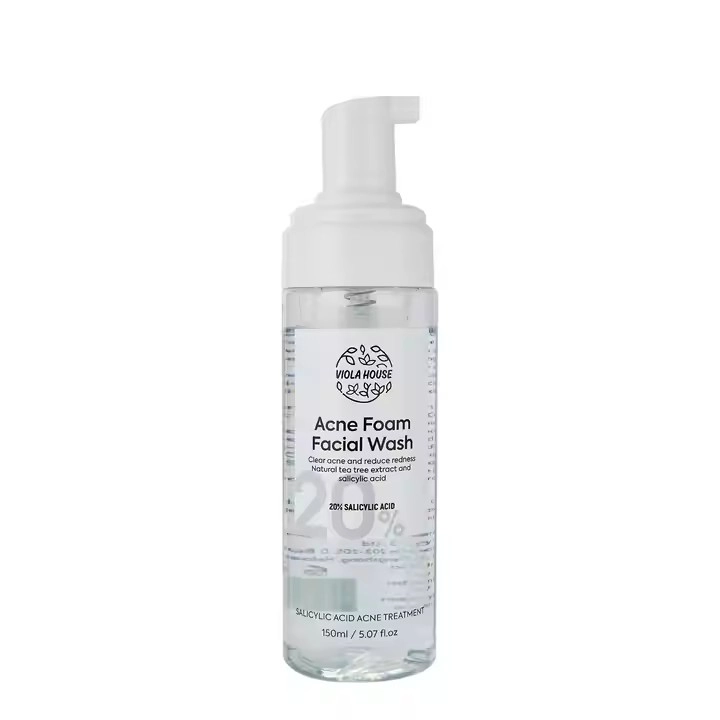
For oily skin, look for gel-based or foaming cleansers that can effectively remove excess oil without over-drying the skin. Ingredients like salicylic acid can help control oil production and prevent breakouts.
If you have dry skin, opt for cream-based or hydrating cleansers that provide moisture while cleansing. Look for ingredients like glycerin or hyaluronic acid, which help to retain moisture in the skin.
For combination skin, a gentle cleanser that balances oil and hydration is ideal. A mild gel or cream cleanser can effectively cleanse without stripping the skin of its natural oils.
If you have sensitive skin, choose a fragrance-free, hypoallergenic cleanser that is gentle and soothing. Look for ingredients like aloe vera or chamomile, which can help calm irritation.
When selecting a facial cleanser, pay attention to the ingredients. Here are some beneficial ingredients to consider:
- Salicylic Acid: Great for oily and acne-prone skin, it helps to unclog pores and reduce breakouts.
- Glycolic Acid: An alpha hydroxy acid (AHA) that exfoliates the skin, improving texture and tone.
- Hyaluronic Acid: A hydrating ingredient that helps retain moisture in the skin.
- Aloe Vera: Known for its soothing properties, it's excellent for sensitive skin.
- Tea Tree Oil: A natural antibacterial that can help combat acne.
To maximize the benefits of your facial cleanser, follow these steps:
1. Start with Clean Hands: Always wash your hands before touching your face to avoid transferring bacteria.
2. Wet Your Face: Use lukewarm water to wet your face, which helps to open up the pores.
3. Apply Cleanser: Use a small amount of cleanser and gently massage it into your skin using circular motions. Focus on areas that tend to be oilier or have more makeup.
4. Rinse Thoroughly: Rinse your face with lukewarm water, ensuring all cleanser is removed.
5. Pat Dry: Use a clean towel to gently pat your face dry. Avoid rubbing, as this can irritate the skin.
6. Follow with Other Products: After cleansing, apply toner, serums, and moisturizers as part of your skincare routine.
For most skin types, cleansing twice a day—once in the morning and once at night—is recommended. However, if you have particularly dry or sensitive skin, you may benefit from cleansing just once a day, preferably at night.
Many people believe that cleansing is only necessary at night. However, cleansing in the morning is equally important to remove sweat and oil that accumulate overnight.
Not all cleansers are created equal. Different formulations cater to various skin types and concerns, so it's essential to choose one that suits your specific needs.
Some individuals think that cleansing more frequently will lead to better skin. In reality, over-cleansing can strip the skin of its natural oils, leading to dryness and irritation.
Incorporating a facial cleanser into your daily skincare routine is essential for maintaining healthy, radiant skin. The benefits of daily cleansing—such as removing impurities, preventing breakouts, and enhancing skin texture—are invaluable. By choosing the right cleanser for your skin type and following a proper cleansing routine, you can achieve a clearer, more youthful complexion.
1. How often should I cleanse my face?
- It is generally recommended to cleanse your face twice a day, in the morning and at night.
2. Can I use body wash on my face?
- It is not advisable to use body wash on your face, as facial skin is more sensitive and requires specific formulations.
3. What should I do if my skin feels tight after cleansing?
- If your skin feels tight, you may be using a cleanser that is too harsh. Consider switching to a gentler, hydrating cleanser.
4. Is it necessary to use a toner after cleansing?
- While not necessary for everyone, a toner can help remove any remaining impurities and prepare the skin for other products.
5. Can I skip cleansing if I don't wear makeup?
- Even if you don't wear makeup, it's important to cleanse your face to remove dirt, oil, and environmental pollutants.
Hot Tags: China, Global, OEM, private label, manufacturers, factory, suppliers, manufacturing company


