
Views: 220 Author: cosmeticsinhot Publish Time: 2025-10-23 Origin: Site


Content Menu
● Understanding what a toner does
● Choosing the right toner for your skin type
>> Mature or uneven-toned skin
● Types of toners and how they work
● Preparing your skin for toner use
● How to apply toner effectively
● Layering order and synergy with other products
● Common mistakes and how to avoid them
● Special considerations for sensitive or reactive skin
● Toner formulations to consider for different goals
● Practical tips for traveling with toner
● FQAS
In the realm of skincare, toners often get overlooked or misused. A well-chosen toner can restore pH balance, prep the skin for subsequent steps, and deliver targeted benefits such as hydration, soothing properties, or a refreshed appearance. This guide explains how to use toner correctly to maximize its advantages, covering different skin types, formulations, application techniques, and common mistakes to avoid.
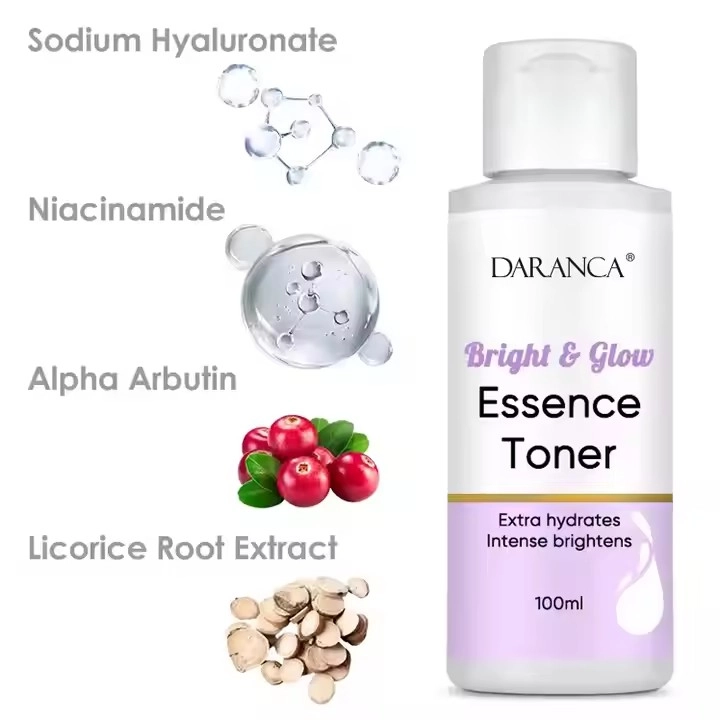
Toners are designed to address specific skin needs after cleansing and before serum and moisturizer. Depending on the formulation, toners can remove residual impurities, tighten pores, balance moisture levels, or deliver active ingredients like antioxidants, humectants, or anti-inflammatory compounds. When used properly, toners can improve texture, support hydration, and enhance the effectiveness of subsequent skincare products.
People with normal to combination skin often benefit from toners that balance moisture without an overly drying effect. Look for lightweight formulations with humectants such as glycerin or polyhydroxy acids that refresh without stripping.
Hydrating toners with soothing ingredients like glycerin, ceramides, and floral extracts can help maintain the skin barrier. Fragrance-free options are generally preferable for sensitive users.
Astringent toners containing salicylic acid, niacinamide, or witch hazel can help control oil production and minimize pores. Avoid harsh alcohol-heavy formulas that can over-dry the skin and trigger rebound oil.
Toners enriched with antioxidants, peptides, or vitamin C can provide protection and brighten tone. Light chemical exfoliants may also be incorporated in toners designed for mature skin to promote cell turnover.
- Hydrating toners: Focus on water content and humectants to attract moisture to the surface.
- Exfoliating toners: Contain alpha hydroxy acids (AHAs) or beta hydroxy acids (BHAs) to help slough dead skin cells.
- pH-balancing toners: Prepared to restore the skin's natural pH after cleansing, aiding barrier function.
- Astringent toners: Target oil control and tightness, often with alcohol or plant extracts.
- Soothing toners: Include anti-inflammatory ingredients like centella asiatica, chamomile, or aloe vera.
- Antioxidant toners: Deliver vitamins and polyphenols to combat environmental stressors.
- Cleanse thoroughly with a gentle cleanser suitable for your skin type.
- Gently pat your face dry with a clean towel, leaving the skin slightly damp to maximize absorption.
- If you use retinoids or other potent actives, consider applying toner after cleansing and before active serums to ensure proper layering and reduced irritation.
- Pour a small amount onto a cotton pad or palms.
- If using a cotton pad, sweep it across the face and neck in upward, outward motions. Avoid rubbing harshly.
- If applying with hands, pat the toner onto the skin with fingertips to promote absorption without over-wetting the surface.
- Allow the toner to fully absorb before moving on to serums or moisturizers.
- Use toner twice daily, or adjust frequency based on skin response and climate conditions.
- Cleanser → Toner → Serum → Eye cream → Moisturizer → Sunscreen (daytime)
- In some routines, toners with soothing ingredients can be used mid-day to rehydrate and refresh without adding heaviness.
- If you use exfoliating toners, limit the number of active layers to avoid irritation and start with a lower frequency (e.g., once or twice a week) and gradually increase.
- Overusing toner: Applying too much or using alcohol-heavy formulas can disrupt the skin barrier and lead to dryness or irritation.
- Skipping patch tests: New toners can cause sensitivity for some users. Perform a patch test before broad use.
- Ignoring climate impact: In very dry climates, using highly astringent or fragrance-heavy toners can exacerbate dryness.
- Not adjusting for skin changes: Seasonal shifts, hormonal fluctuations, or travel can alter toner needs.
- Choose fragrance-free formulas with minimal irritants.
- Patch-test new products on a small area, such as behind the ear or the inner forearm, before applying to the face.
- Introduce toners gradually, starting with once-daily use and monitoring for any signs of redness, itching, or burning.
- Hydration-focused: Look for glycerin, hyaluronic acid, and ceramides.
- Brightening and tone-evening: Vitamin C, licorice root extract, or niacinamide in a gentle concentration.
- Eczema-prone or irritated skin: Soothing botanicals and anti-inflammatory ingredients.
- Acne-prone skin: Salicylic acid or witch hazel in a well-tolerated formulation to minimize potential over-drying.
- Anti-aging support: Antioxidants, peptides, or ceramides to reinforce the skin barrier.
- Choose a small, travel-friendly bottle with a secure cap.
- Place it in a clear, zippered pouch to comply with airline liquid restrictions if needed.
- Keep it away from direct sunlight and heat to preserve potency.
- Can toner replace moisturizer or sunscreen?
- Does every toner contain alcohol?
- How long does it take to see results from using toner?
- Is it safe to use toner with retinoids?
- How often should I replace my toner?
Toner can be a valuable component of a skincare routine when selected with your skin type and goals in mind. By understanding the different types, applying it correctly, and avoiding common pitfalls, you can maximize the benefits and enjoy smoother, more balanced skin.

Q1: Toner can replace moisturizer, true or false?
A1: False. Toner is typically designed to prepare the skin and deliver specific benefits; it complements moisturizer rather than replacing it.
Q2: What should I do if toner causes irritation?
A2: Stop using the product, rinse the skin with cool water, and consider a patch test with a gentler formulation. If irritation persists, consult a dermatologist.
Q3: How often should I use a chemical exfoliating toner?
A3: Start with 1–2 times per week and gradually increase if your skin tolerates it, monitoring for redness or excessive dryness.
Q4: Can toner help with acne?
A4: Yes, certain toners with salicylic acid, niacinamide, or witch hazel can help manage oil and reduce inflammation when used appropriately.
Q5: Are alcohol-based toners bad for skin?
A5: Alcohol-heavy toners can be drying for many users, especially those with sensitive or dry skin. Look for alcohol-free or lower-alcohol options if needed.
Q6: How should I store my toner?
A6: Store in a cool, dry place away from direct sunlight to preserve active ingredients.
Hot Tags: China, Global, OEM, private label, manufacturers, factory, suppliers, manufacturing company


