
Views: 220 Author: cosmeticsinhot Publish Time: 2025-12-04 Origin: Site


Content Menu
● Understanding Allergic Reactions
>> What is an Allergic Reaction?
>> Common Symptoms of Allergic Reactions
● Identifying Potential Allergens
>> Common Allergens in Body Lotions
● Steps to Prevent Allergic Reactions
>> Opt for Simple Formulations
● Lifestyle Changes to Support Skin Health
Allergic reactions to body lotion can be uncomfortable and distressing. Many people use lotions to keep their skin moisturized and healthy, but some ingredients can trigger allergic responses. Understanding how to avoid these reactions is crucial for maintaining skin health and comfort. This article will explore the causes of allergic reactions to body lotion, how to identify potential allergens, and practical steps to prevent these reactions.
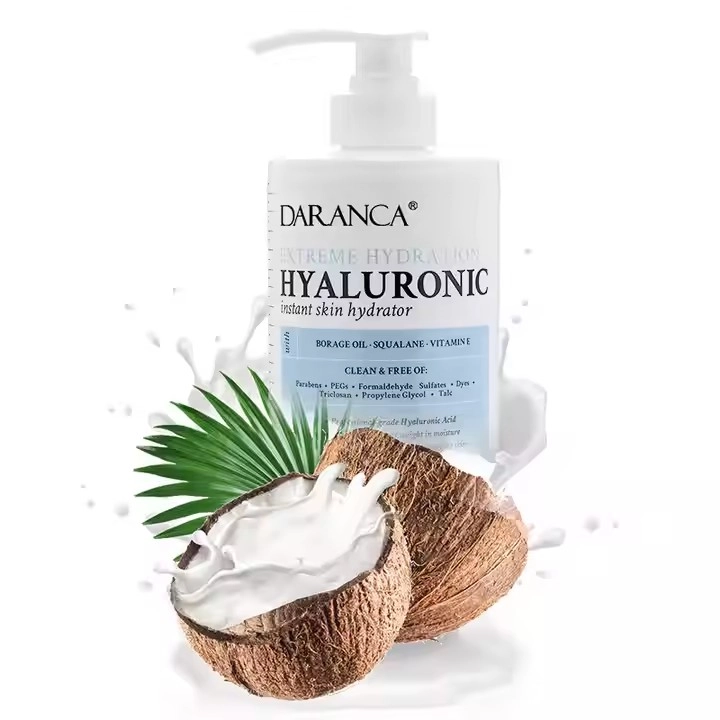
An allergic reaction occurs when the immune system mistakenly identifies a harmless substance as a threat. This can lead to various symptoms, including redness, itching, swelling, and in severe cases, anaphylaxis. Allergic reactions can be triggered by many substances, including food, pollen, and topical products like lotions.
Symptoms of allergic reactions to body lotion can vary widely. Common symptoms include:
- Redness and irritation: The skin may become red and inflamed.
- Itching: A common symptom that can lead to scratching and further irritation.
- Rashes: Hives or eczema-like rashes may develop.
- Swelling: Areas of the skin may swell, particularly around the eyes and lips.
- Blisters: In severe cases, blisters may form.
If you experience any of these symptoms after using a body lotion, it is essential to stop using the product immediately and consult a healthcare professional.
Many ingredients in body lotions can cause allergic reactions. Some of the most common allergens include:
- Fragrances: Synthetic fragrances are among the top allergens in skincare products. Even products labeled as "unscented" may contain masking fragrances.
- Preservatives: Ingredients like parabens and methylisothiazolinone are used to prolong shelf life but can irritate sensitive skin.
- Dyes: Artificial colors can also trigger allergic reactions in some individuals.
- Natural ingredients: Even natural ingredients like essential oils can cause reactions in sensitive individuals.
To avoid allergic reactions, it is crucial to read product labels carefully. Look for lotions that are labeled as:
- Fragrance-free: These products do not contain added fragrances, reducing the risk of irritation.
- Hypoallergenic: While not a guarantee, hypoallergenic products are formulated to minimize the risk of allergic reactions.
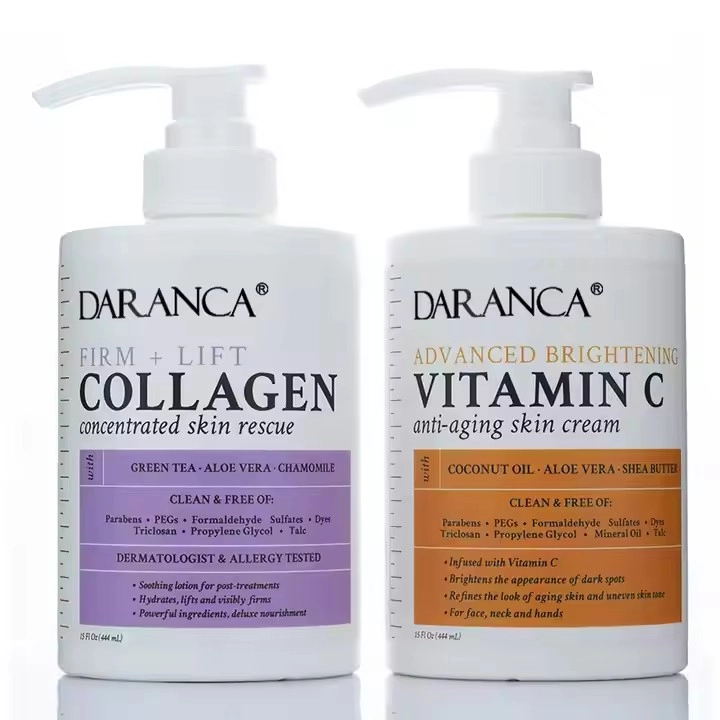
- Free from common allergens: Some products specifically state that they do not contain common allergens like parabens or sulfates.
Before using a new body lotion, conduct a patch test to check for allergic reactions. Here's how to do it:
1. Choose a small area of skin: The inside of your wrist or elbow is ideal.
2. Apply a small amount of lotion: Use a pea-sized amount and spread it evenly.
3. Wait 24-48 hours: Monitor the area for any signs of irritation or allergic reaction.
If you notice any redness, itching, or swelling, do not use the product.
When selecting body lotions, consider choosing products with fewer ingredients. Simple formulations are less likely to contain potential allergens. Look for lotions that focus on moisturizing ingredients like:
- Glycerin: A humectant that draws moisture into the skin.
- Shea butter: A natural fat that provides deep hydration.
- Ceramides: Help restore the skin barrier and retain moisture.
Hot water can strip the skin of its natural oils, leading to dryness and irritation. Instead, opt for lukewarm water when showering and limit your shower time to 10-15 minutes. After showering, gently pat your skin dry with a towel and apply lotion while your skin is still damp to lock in moisture.
Regularly applying a suitable moisturizer can help maintain skin hydration and barrier function. Look for products that are specifically designed for sensitive skin. These products often contain soothing ingredients that can help prevent irritation.
If you have a history of skin allergies or sensitivities, consider consulting a dermatologist. They can help identify specific allergens and recommend suitable products. Patch testing in a clinical setting can also provide more accurate results regarding your sensitivities.
A balanced diet rich in vitamins and minerals can support skin health. Foods high in antioxidants, such as fruits and vegetables, can help protect the skin from damage. Omega-3 fatty acids found in fish and flaxseeds can also help maintain skin barrier function.
Drinking plenty of water is essential for overall health and skin hydration. Aim for at least eight glasses of water a day to keep your skin supple and healthy.
Stress can exacerbate skin conditions and trigger allergic reactions. Incorporate stress management techniques into your routine, such as yoga, meditation, or deep-breathing exercises.
When spending time outdoors, protect your skin from harsh environmental factors. Use sunscreen to shield your skin from UV rays, and wear protective clothing when necessary. If you are using products that may irritate your skin, consider wearing gloves to minimize direct contact.
Avoiding allergic reactions from body lotion requires vigilance and knowledge about potential allergens. By understanding the ingredients in your products, conducting patch tests, and making informed choices, you can enjoy the benefits of body lotion without the discomfort of allergic reactions. Always consult a healthcare professional if you experience severe reactions or have concerns about your skin health.
1. What should I do if I have an allergic reaction to body lotion?
- Stop using the product immediately and consult a healthcare professional for advice on treatment.
2. How can I identify allergens in my body lotion?
- Read the ingredient list carefully and look for common allergens like fragrances, preservatives, and dyes.
3. Are natural body lotions safer for sensitive skin?
- Not necessarily. Natural ingredients can also cause allergic reactions. Always conduct a patch test before using new products.
4. What are some hypoallergenic body lotion brands?
- Look for brands that specifically label their products as hypoallergenic and fragrance-free.
5. Can I use body lotion if I have eczema?
- Yes, but choose products specifically formulated for eczema-prone skin and consult a dermatologist for recommendations.
Hot Tags: China, Global, OEM, private label, manufacturers, factory, suppliers, manufacturing company


