
Views: 220 Author: cosmeticsinhot Publish Time: 2025-10-30 Origin: Site


Content Menu
>> The Importance of Exfoliation
>> Step 1: Market Research and Trend Analysis
>> Step 2: Concept Development
>> Step 3: Ingredient Selection
>> Step 4: Formulation Development
>> Step 6: Regulatory Compliance
● Quality Control and Assurance
>> Step 1: Distribution Channels
>> 1. What are the main ingredients in body scrubs?
>> 2. How often should I use a body scrub?
>> 3. Can body scrubs help with dry skin?
>> 4. Are there any risks associated with using body scrubs?
>> 5. How can I choose the right body scrub for my skin type?
The cosmetic industry is a dynamic field where innovation meets consumer demand. Among the myriad of products available, body scrubs have gained immense popularity for their exfoliating and skin-nourishing properties. This article delves into the intricate process of how a top cosmetic manufacturer develops body scrubs, from concept to final product, highlighting the key stages involved in creating these beloved skincare items.
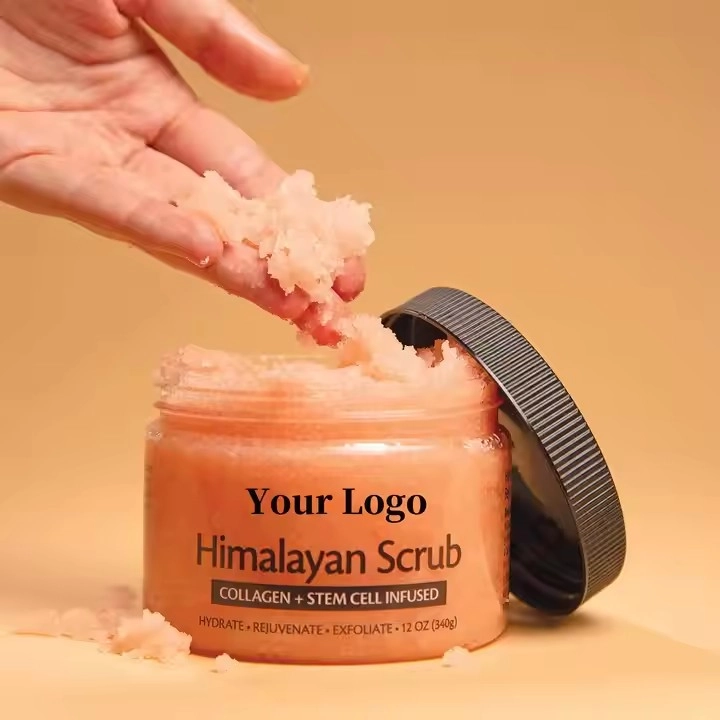
Body scrubs are exfoliating products designed to remove dead skin cells, unclog pores, and improve skin texture. They typically contain abrasive ingredients, such as sugar, salt, or coffee grounds, combined with moisturizing agents like oils or butters. The result is a product that not only cleanses but also hydrates the skin, leaving it smooth and rejuvenated.
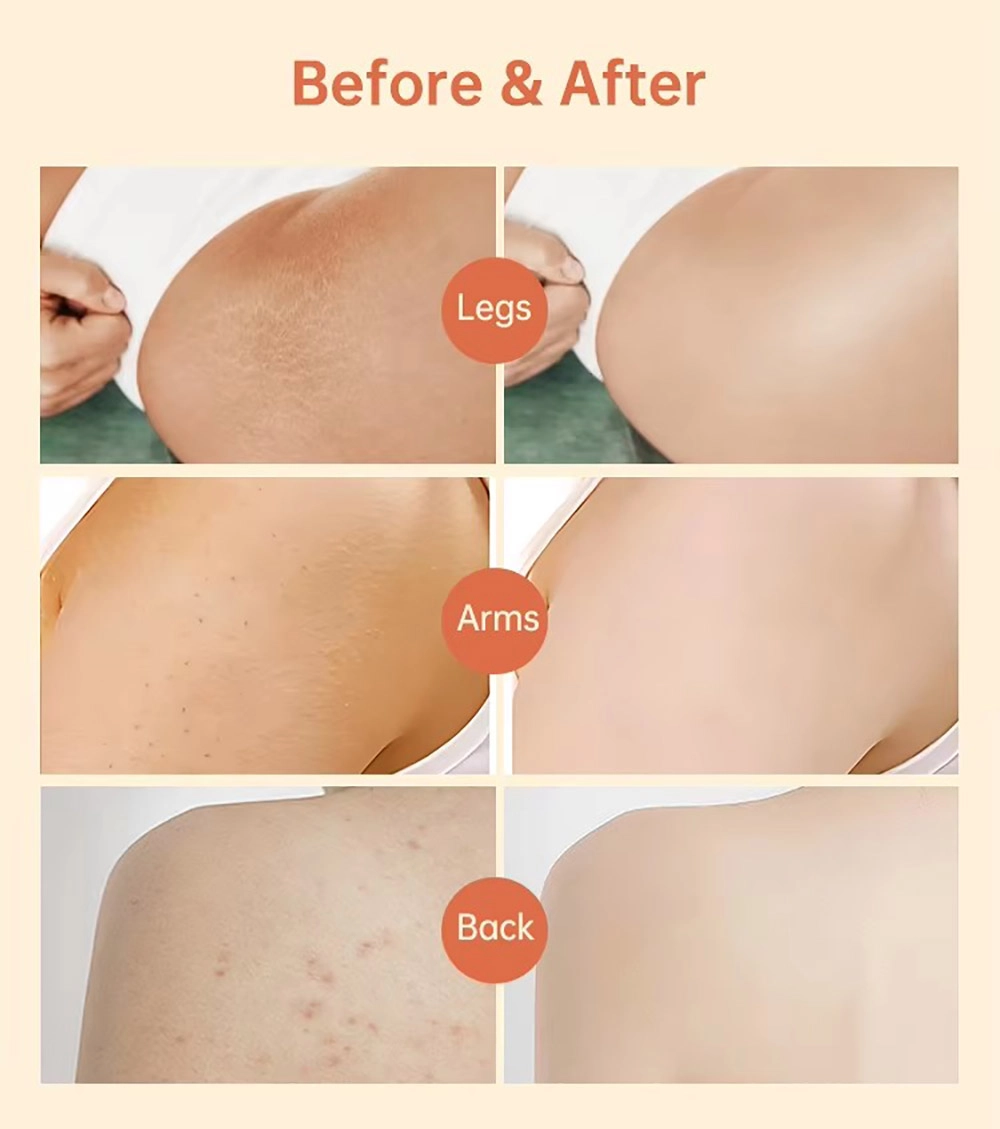
Exfoliation is a crucial step in any skincare routine. It helps to promote cell turnover, allowing fresh skin to surface while removing impurities. Regular use of body scrubs can lead to improved skin tone, reduced appearance of blemishes, and enhanced absorption of other skincare products.
Before any product development begins, manufacturers conduct extensive market research. This involves analyzing current trends, consumer preferences, and competitor offerings. Understanding what consumers are looking for in body scrubs—such as natural ingredients, sustainability, or specific skin benefits—guides the formulation process.
Once the research is complete, the next step is to develop a concept for the body scrub. This includes defining the target audience, identifying key benefits, and selecting a unique selling proposition (USP). For instance, a manufacturer might decide to create a body scrub that focuses on anti-aging properties or one that uses organic ingredients.
The choice of ingredients is critical in formulating a successful body scrub. Manufacturers often collaborate with cosmetic chemists to select high-quality, effective components. Common ingredients include:
- Exfoliants: Sugar, salt, coffee grounds, or crushed nuts.
- Moisturizers: Oils (like coconut or almond oil), butters (such as shea or cocoa butter), and humectants (like glycerin).
- Additives: Essential oils for fragrance, botanical extracts for added benefits, and preservatives to ensure product stability.
With the ingredients selected, chemists begin the formulation process. This involves mixing the ingredients in specific ratios to achieve the desired texture, consistency, and efficacy. The formulation must also be stable, meaning it should not separate or degrade over time.
During this phase, multiple iterations of the scrub may be created and tested. Manufacturers conduct stability tests, sensory evaluations, and efficacy tests to ensure the product meets quality standards. Feedback from testers is crucial, as it helps refine the formulation.
Once the formulation is finalized, attention turns to packaging. The packaging must not only be aesthetically pleasing but also functional. It should protect the product from contamination, preserve its integrity, and provide information to consumers. Sustainable packaging options are increasingly popular, reflecting consumer demand for eco-friendly products.
Before a body scrub can be launched, it must comply with various regulations. This includes ensuring that all ingredients are safe for use and that the product is labeled correctly. Manufacturers often work with regulatory experts to navigate these requirements, especially if they plan to sell internationally.
With the product ready for launch, manufacturers develop a marketing strategy. This includes identifying the best channels to reach the target audience, creating promotional materials, and planning launch events. Social media, influencer partnerships, and online advertising are common tactics used to generate buzz around new products.
Throughout the development process, quality control is paramount. Manufacturers implement rigorous testing protocols to ensure that each batch of body scrub meets the established standards for safety, efficacy, and consistency. This includes microbiological testing, pH testing, and stability assessments.
Once the product is ready, manufacturers must decide on distribution channels. This could include selling directly to consumers through e-commerce platforms, partnering with retailers, or distributing through salons and spas. Each channel has its own advantages and challenges.
After the launch, manufacturers closely monitor consumer feedback. This can provide valuable insights into how the product is received and whether any adjustments are needed for future batches. Engaging with customers through reviews and social media can also help build brand loyalty.
As consumer preferences evolve, the body scrub market continues to innovate. Trends such as clean beauty, sustainability, and personalized skincare are shaping the future of product development. Manufacturers are increasingly focusing on natural ingredients, eco-friendly packaging, and formulations that cater to specific skin types and concerns.
The development of body scrubs is a complex process that requires a deep understanding of consumer needs, ingredient science, and regulatory requirements. By following a structured approach from concept to launch, top cosmetic manufacturers can create effective and appealing products that resonate with consumers. As the market continues to evolve, staying ahead of trends and maintaining a commitment to quality will be essential for success.
Body scrubs typically contain exfoliants (like sugar or salt), moisturizers (such as oils or butters), and additives (like essential oils or botanical extracts).
It is generally recommended to use a body scrub 1-2 times a week, depending on your skin type and sensitivity.
Yes, body scrubs can help remove dead skin cells and improve the texture of dry skin, especially when combined with moisturizing ingredients.
Over-exfoliation can lead to skin irritation or damage. It's important to choose a scrub that suits your skin type and to follow usage recommendations.
Look for scrubs that cater to your specific skin concerns. For sensitive skin, opt for gentle exfoliants and hydrating ingredients. For oily skin, consider scrubs with clarifying properties.
Hot Tags: China, Global, OEM, private label, manufacturers, factory, suppliers, manufacturing company


