
Views: 220 Author: cosmeticsinhot Publish Time: 2025-12-04 Origin: Site


Content Menu
>> The Rise of Natural Ingredients
● Benefits of Natural Ingredients in Body Lotions
>> 2. Nutrient-Rich Formulations
● Drawbacks of Natural Ingredients in Body Lotions
>> 1. Stability and Shelf Life
>> 2. Efficacy
>> 3. Cost
>> 4. Allergies and Sensitivities
● How to Choose the Right Body Lotion
In recent years, the beauty and skincare industry has seen a significant shift towards natural ingredients. Consumers are increasingly aware of what they apply to their skin, leading to a growing demand for body lotions that boast natural components. This article explores the benefits and drawbacks of natural ingredients in body lotions, comparing them to their synthetic counterparts, and providing insights into what consumers should consider when choosing a body lotion.

Body lotions are topical products designed to moisturize and hydrate the skin. They typically contain a combination of water, oils, emulsifiers, and various active ingredients that provide benefits such as hydration, nourishment, and protection. The formulation of body lotions can vary widely, with some brands opting for natural ingredients while others rely on synthetic compounds.
The trend towards natural ingredients in body lotions is part of a broader movement towards clean beauty. This movement emphasizes transparency in ingredient sourcing and formulation, encouraging consumers to choose products that are free from harmful chemicals. Natural ingredients are often perceived as safer and more effective, leading to their increased popularity.
Natural ingredients are often more compatible with the skin's natural chemistry. Many synthetic ingredients can cause irritation or allergic reactions, especially for those with sensitive skin. Natural oils, butters, and extracts tend to be gentler and less likely to provoke adverse reactions.
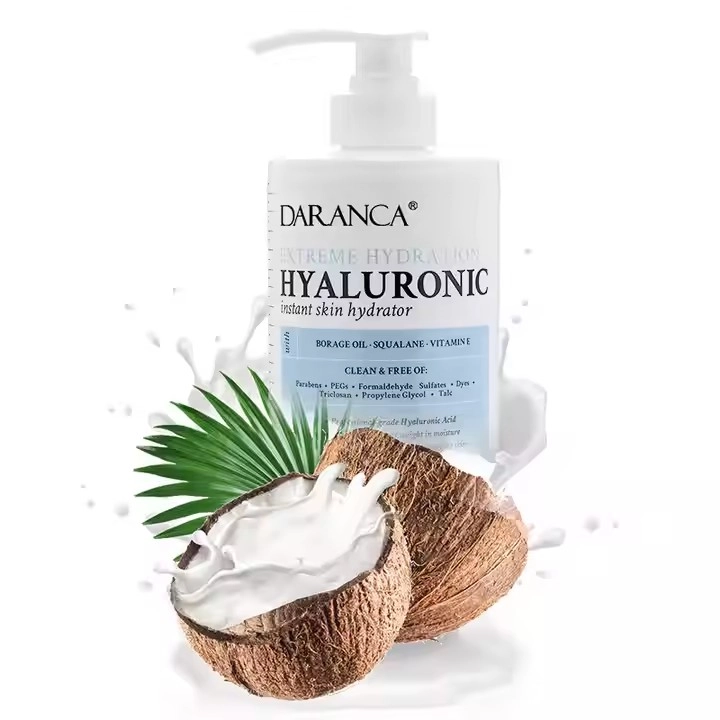
Natural ingredients are often rich in vitamins, minerals, and antioxidants. For example, ingredients like shea butter, coconut oil, and aloe vera are known for their nourishing properties. These components can help to repair the skin barrier, improve hydration, and promote overall skin health.
Choosing body lotions with natural ingredients can also be a more environmentally friendly option. Many natural ingredients are sustainably sourced and biodegradable, reducing the ecological footprint of the product. In contrast, synthetic ingredients can contribute to pollution and environmental degradation.
Natural ingredients are typically less processed than their synthetic counterparts. This means they retain more of their original properties and benefits. For instance, cold-pressed oils maintain their nutrients better than refined oils, which can lose beneficial compounds during processing.
Many consumers are concerned about the ethical implications of their purchases. Natural ingredients are often associated with cruelty-free practices and sustainable sourcing. Brands that prioritize natural ingredients may also be more likely to engage in ethical business practices.
One of the main challenges with natural ingredients is their stability. Natural oils and extracts can have a shorter shelf life compared to synthetic ingredients, which are often formulated to be more stable. This can lead to issues with rancidity and reduced effectiveness over time.
While many natural ingredients offer benefits, they may not always be as effective as synthetic alternatives. For example, certain synthetic compounds are specifically designed to penetrate the skin barrier more effectively or provide longer-lasting hydration. Consumers may need to experiment to find the right balance between natural and synthetic ingredients for their skin type.
Natural body lotions can often be more expensive than their synthetic counterparts. The sourcing and processing of natural ingredients can drive up production costs, which may be passed on to consumers. This can make it challenging for some individuals to access high-quality natural products.
While natural ingredients are generally considered safer, they can still cause allergic reactions in some individuals. For example, essential oils, which are often included in natural formulations, can be potent allergens. It's essential for consumers to be aware of their sensitivities and read ingredient labels carefully.
The term "natural" is not strictly regulated in the beauty industry, leading to potential confusion for consumers. Some products may be labeled as natural while still containing synthetic additives. This can make it difficult for consumers to make informed choices about the products they use.
Natural oils and butters, such as jojoba oil, almond oil, and shea butter, are excellent for moisturizing and nourishing the skin. They provide essential fatty acids that help to maintain the skin's barrier and prevent moisture loss.
Plant extracts, like chamomile, calendula, and green tea, offer soothing and anti-inflammatory properties. These ingredients can help to calm irritated skin and provide additional benefits, such as antioxidant protection.
Emulsifiers are necessary for combining oil and water in lotions. Natural emulsifiers, such as beeswax or lecithin, can help create a stable formulation without the need for synthetic additives.
Essential oils can add fragrance and therapeutic benefits to body lotions. However, they should be used with caution due to their potency. Look for products that use essential oils in moderation to avoid irritation.
To extend the shelf life of natural body lotions, look for products that include natural preservatives, such as vitamin E or rosemary extract. These can help prevent spoilage without the use of synthetic chemicals.
Understanding your skin type is crucial when selecting a body lotion. For dry skin, look for rich, emollient formulations with ingredients like shea butter or coconut oil. For oily or acne-prone skin, lightweight lotions with non-comedogenic ingredients may be more suitable.
Always read the ingredient labels to ensure you are choosing a product that aligns with your values and needs. Look for products that prioritize natural ingredients and avoid those with long lists of synthetic additives.
Before applying a new body lotion all over, perform a patch test on a small area of skin. This can help you identify any potential allergic reactions or sensitivities before committing to the product.
Your lifestyle can also influence your choice of body lotion. If you prefer products that are environmentally friendly and ethically sourced, prioritize brands that align with these values.
Don't hesitate to seek recommendations from friends, family, or skincare professionals. Personal experiences can provide valuable insights into which products may work best for you.
The debate over whether natural ingredients are better in body lotions is complex. While natural ingredients offer numerous benefits, including skin compatibility, nutrient richness, and environmental sustainability, they also come with challenges such as stability and potential allergens. Ultimately, the best choice depends on individual skin types, preferences, and values. By understanding the ingredients and their effects, consumers can make informed decisions that align with their skincare goals.
1. Are natural body lotions suitable for all skin types?
Yes, but it's essential to choose formulations that cater to your specific skin type. For example, those with dry skin may benefit from richer creams, while oily skin types may prefer lighter lotions.
2. Can natural ingredients cause allergic reactions?
Yes, some natural ingredients, particularly essential oils, can cause allergic reactions in sensitive individuals. Always perform a patch test before using a new product.
3. How can I tell if a body lotion is truly natural?
Look for certifications or labels that indicate natural or organic ingredients. Reading the ingredient list can also help you identify synthetic additives.
4. Are natural body lotions more expensive than synthetic ones?
Generally, yes. The sourcing and processing of natural ingredients can lead to higher production costs, which may be reflected in the price.
5. How long do natural body lotions last?
Natural body lotions typically have a shorter shelf life than synthetic ones due to the absence of strong preservatives. Check the expiration date and store them properly to maximize their longevity.
Hot Tags: China, Global, OEM, private label, manufacturers, factory, suppliers, manufacturing company


