
Views: 227 Author: iHot Cosmetics Publish Time: 2026-10-30 Origin: Site


Content Menu
● Whitening Body Lotion vs Glycolic Acid Toner: The Key Differences
● Understand Keratosis Pilaris Before Choosing a Product
>> KP Bumps and Dark Spots Are Different Concerns
>> Not Every Dark Follicular Dot Is KP
● When a Brightening Body Lotion Makes More Sense
>> Prioritize Moisture When Skin Feels Dry or Tight
>> Recognize the Limits of a "Whitening" Claim
● When Glycolic Acid Toner May Help KP and Dark Spots
>> What Glycolic Acid Actually Does
>> Why a Higher Percentage Is Not Automatically Better
● The Overlooked Risk: Irritation Can Make Dark Spots Worse
● A Conservative Routine for Rough Bumps and Uneven Tone
>> Step 1: Establish a Comfortable Baseline
>> Step 2: Test One New Product on a Small Area
>> Step 3: Introduce Exfoliation Gradually
>> Step 4: Maintain Moisture and Sun Protection
● Can You Use Whitening Body Lotion and Glycolic Acid Toner Together?
● How to Evaluate Progress Without Being Misled
>> Track Texture and Pigmentation Separately
>> Avoid Fixed "Seven-Day" Promises
● A Manufacturer's Perspective: What Brands Should Validate
>> Separate Manufacturing Credentials from Efficacy Evidence
>> Turn Real Reviews into Better Instructions
● FAQ
>> 1. Is glycolic acid toner better than body lotion for KP?
>> 2. Can whitening body lotion permanently remove KP?
>> 3. Can glycolic acid make dark spots worse?
>> 4. Should I use glycolic acid toner every day?
>> 5. Can I use glycolic acid immediately after shaving?
>> 6. Does every brightening lotion treat rough bumps?
● Develop a More Thoughtful Body-Care Product with iHot Cosmetics
At iHot Cosmetics, a practical starting point for comparing whitening body lotion vs glycolic acid toner for fading keratosis pilaris and dark spots is this: choose according to the skin concern and complete formula, not the product name.
iHot Cosmetics, operated by Guangzhou Aihuo Biotechnology Co., Ltd., is a Chinese OEM/ODM manufacturer specializing in skincare, personal care, and haircare solutions. According to company-provided information, its capabilities include more than 10 years of experience, GMP certification, a 70,000-square-meter ISO-certified facility, 15 automated production lines, and Class 100,000 cleanrooms, serving more than 2,000 brands.
Those capabilities provide manufacturing context—not proof that a particular formula treats a skin condition. For consumers and brand owners alike, useful guidance starts with realistic expectations.
The short answer: a moisturizing brightening lotion is often the more practical foundation for dry, uneven-looking skin. A glycolic acid toner may help exfoliate roughness, but it does not replace moisturizer. Some people benefit from both, introduced carefully.

"Whitening body lotion" describes a marketing category, not a standardized formulation. Here, it means a lotion intended to improve dullness and uneven-looking tone—not change someone's natural skin color.
Glycolic acid toner describes a liquid format containing an alpha hydroxy acid, or AHA. Its effects depend on the acid concentration, pH, supporting ingredients, and directions.
| Comparison | Brightening body lotion | Glycolic acid toner |
|---|---|---|
| Main purpose | Moisturization and more even-looking tone | Chemical exfoliation |
| Relevance to KP | Depends on whether it contains suitable exfoliating ingredients | May help reduce surface buildup and roughness |
| Relevance to dark spots | Depends on the brightening ingredients and supporting evidence | May help some superficial discoloration |
| Moisturizing support | Often built into the formula | Varies; moisturizer is usually still needed |
| Main limitation | "Whitening" alone says little about effectiveness | Overuse may cause irritation |
| Practical starting point | Dryness and daily body care | Carefully targeted exfoliation |
The important distinction is formulation. A lotion containing exfoliating ingredients may address both dryness and texture. A toner marketed for radiance may offer little benefit if irritation prevents consistent use.
Keratosis pilaris, commonly called KP or "chicken skin," involves keratin buildup around hair follicles. It often creates small, rough bumps on the upper arms, thighs, or buttocks.
The visible concern may include several components:
- Raised follicular bumps.
- Dry, rough skin.
- Redness or inflammation.
- Brown marks remaining after irritation.
These features do not necessarily respond to the same ingredients. Moisturizing can improve dryness without fully resolving discoloration. Brightening ingredients may improve uneven-looking tone without adequately reducing follicular buildup.
"Strawberry legs" is a descriptive phrase, not a diagnosis. Dark-looking dots can also involve shaving irritation, ingrown hairs, or other follicular problems.
Painful bumps, pus, substantial itching, spreading discoloration, or an uncertain diagnosis deserve professional evaluation. Repeated acid application is not a reliable way to identify the underlying problem.
Dermatology guidance emphasizes moisturizing as part of KP care. For someone whose arms feel rough and uncomfortable after showering, a suitable lotion or cream provides a useful daily foundation.
Look beyond the front label. Depending on the formula, helpful components may include:
- Glycerin for hydration.
- Emollients that soften dry skin.
- Barrier-supporting ingredients such as ceramides.
- Brightening ingredients selected for the intended concern.
- Keratolytic ingredients, such as urea or lactic acid, when appropriate.
An ingredient list cannot prove finished-product performance. However, it helps distinguish a basic moisturizer from a product designed to address texture or uneven-looking tone.
A lotion marketed for brightness may not contain ingredients that meaningfully address KP roughness. Conversely, an exfoliating lotion may improve texture without delivering the desired change in persistent pigmentation.
For sensitive skin, a fragrance-free moisturizer without exfoliating actives may be a better starting point than a multi-active brightening formula.
The aim is comfortable, consistent care—not the strongest possible sensation.
Glycolic acid helps remove excess dead surface cells. Dermatology guidance includes it among ingredients used to improve the rough, bumpy appearance of KP.
It may also help some dark spots. However, discoloration has different causes and depths, so exfoliation cannot guarantee an even result.
A crucial limitation: KP care generally manages the condition rather than permanently curing it. Maintenance may be necessary.
A glycolic acid percentage is only one part of the formulation.
Final pH, vehicle, application amount, frequency, and other ingredients influence how the product behaves. Two products displaying the same acid percentage may not feel or perform identically.
The FDA summarizes a Cosmetic Ingredient Review safety assessment covering consumer glycolic and lactic acid products at concentrations of 10% or less and final pH of 3.5 or greater, alongside sun-protection considerations. These conditions are not a guarantee of suitability for every person or a universal legal standard.
For consumers, the practical rule is simpler: follow the finished product's directions rather than designing a routine around percentage alone.
The biggest mistake in this comparison is treating exfoliation intensity as a shortcut.
Skin irritation can trigger post-inflammatory hyperpigmentation. This is especially relevant for people prone to persistent dark marks, including those with darker skin tones.
A routine may become counterproductive when it combines:
- Frequent glycolic acid application.
- Abrasive scrubs or vigorous rubbing.
- Multiple exfoliating body products.
- Application to freshly shaved or damaged skin.
- Inadequate moisturizing.
Burning is not evidence that pigmentation is fading. Stop an irritating product rather than trying to "push through" significant discomfort.
For many users, the better routine is the one that prevents new irritation while gradually improving existing concerns.
This framework is general guidance, not a substitute for product directions or personalized medical advice.
Start with gentle cleansing and regular moisturizing. Keep showers warm rather than hot, and avoid scrubbing or picking follicular bumps.
If the skin is already irritated, postpone exfoliating products until it feels comfortable.
Try a new product on a limited area before broader application, following its testing instructions where provided.
A small-area test can reveal some reactions, but it cannot guarantee that repeated use will remain irritation-free.
Introduce products separately so that any reaction is easier to trace.
For a leave-on glycolic product whose label permits it, a cautious introductory approach may involve one evening application per week.
Do not increase automatically. Consider frequency changes only if the label allows them and the skin remains comfortable.
Avoid adding a separate exfoliating lotion at the same time. More products make it harder to judge both tolerance and benefit.
Use a suitable moisturizer alongside exfoliation, following product instructions.
For exposed skin, use sunscreen and protective clothing. FDA guidance warns that AHAs can increase sun sensitivity during use and for a week afterward.
*Suggested visual: A simple routine diagram showing gentle cleansing, optional scheduled exfoliation, moisturizer, and daytime sun protection.*
Sometimes—but first check what the lotion contains.
| Lotion type | Practical approach |
|---|---|
| Basic moisturizer without exfoliating actives | May complement a glycolic product |
| Brightening lotion without exfoliating acids | Introduce separately and monitor tolerance |
| Lotion containing glycolic, lactic, or salicylic acid | Avoid casually adding another exfoliant |
| Prescription or medically directed product | Ask the prescribing clinician before combining |
There is no universal waiting period that makes every combination safe.
For beginners, an uncomplicated moisturizer on exfoliation nights is often easier to manage than stacking several active products. An appropriately formulated exfoliating body lotion may also make a separate toner unnecessary.
Smoother-feeling skin does not necessarily mean dark spots have faded.
Monitor:
1. Roughness and the feel of bumps.
2. Dryness, tightness, and comfort.
3. Redness or irritation.
4. The appearance of flat dark marks.
Take photographs under similar lighting, distance, and camera settings. Changes in exposure or skin sheen can otherwise exaggerate improvement.
There is no reliable universal timetable for KP-associated pigmentation. Results depend on the diagnosis, pigment depth, irritation, product formulation, and consistency.
Dark marks may take months to fade after their trigger stops. More frequent exfoliation does not necessarily shorten that process.
Seek dermatologic advice when the diagnosis is uncertain, symptoms worsen, or a tolerated routine produces little meaningful improvement.
For brands developing products with iHot Cosmetics, the strongest differentiation is not a more dramatic promise. It is a clearer product purpose supported by appropriate evidence.
A development brief should define:
- Target users and application areas.
- Whether the priority is moisture, texture, uneven-looking tone, or a combination.
- Intended frequency and relevant precautions.
- Finished-product safety, stability, and packaging compatibility.
- Evidence needed to support each proposed claim.
GMP certification, facility scale, and production capacity describe manufacturing capabilities. They do not independently demonstrate that a lotion fades dark spots.
Likewise, ingredient research does not automatically substantiate a finished-product claim.
Brand messaging should distinguish between supplier information, ingredient evidence, finished-product testing, and authentic customer feedback.
No customer reviews were supplied for this article, so no testimonials or satisfaction figures are presented.
When genuine reviews become available, categorize them by texture, pigmentation, comfort, application frequency, and product combinations. Feedback such as "my skin feels smoother" should not be rewritten as "clinically proven to remove dark spots."
Not automatically. Glycolic acid may help roughness, while moisturizer supports dryness and comfort. A suitable exfoliating lotion can provide both functions.
No. KP commonly requires ongoing management. A lotion may improve its appearance, but permanent-cure claims are inappropriate.
Yes, if it causes irritation that triggers additional pigmentation. Stop using an irritating product and reassess the routine.
Not by default. Follow the product label and your skin's tolerance. Daily application is not necessary for everyone.
Avoid applying it to freshly irritated, nicked, or damaged skin. Resume only when the skin is comfortable and product directions permit use.
No. Some focus on moisture or uneven-looking tone without providing meaningful exfoliation. Evaluate the full formula rather than the category name.
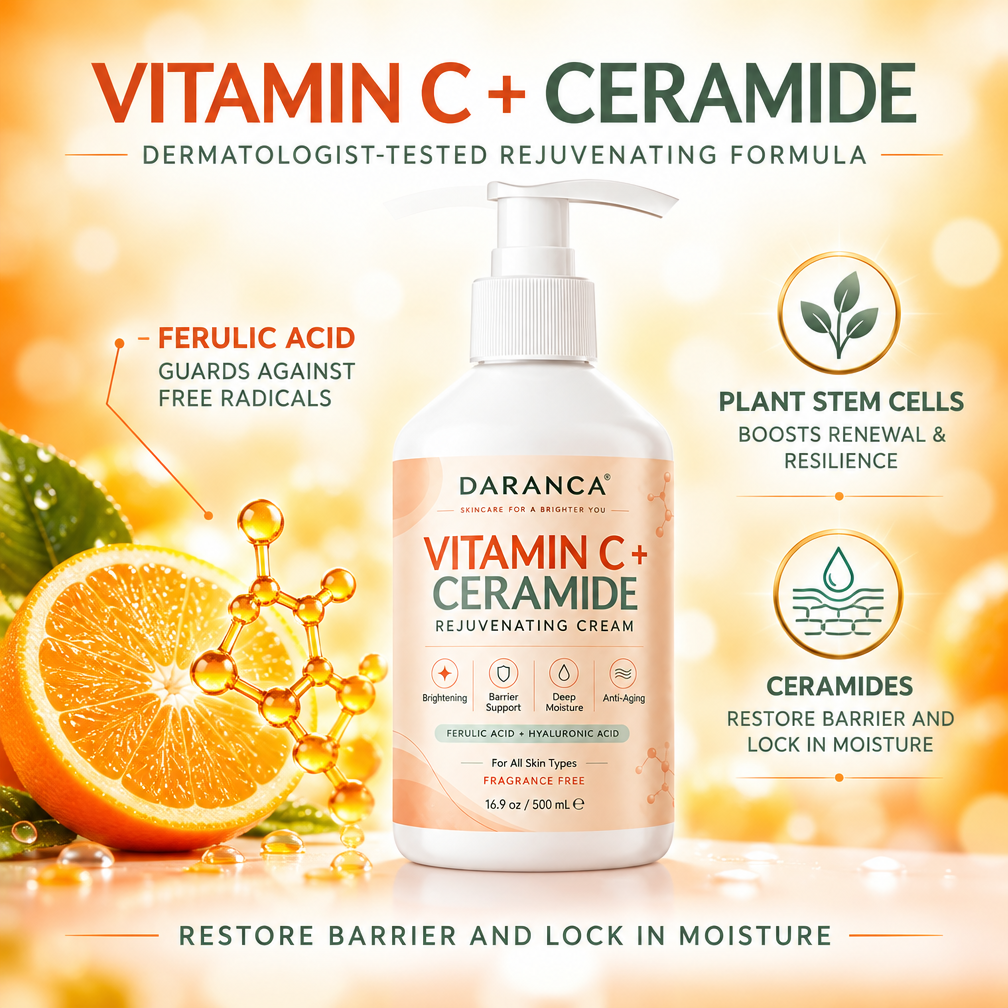
For brands planning a brightening body lotion, exfoliating body treatment, or complementary care range, start with a specific consumer need—not a trend-led ingredient list.
Contact iHot Cosmetics to discuss your target market, product positioning, texture preferences, packaging, and testing requirements. Request an OEM/ODM consultation focused on a clearly defined formula brief, realistic claims, and a user-friendly routine.
1. American Academy of Dermatology Association. "Keratosis pilaris: Self-care." Supports gentle care, appropriate keratolytics, moisturizing, and avoiding excessive exfoliation. [aad]
2. American Academy of Dermatology Association. "Keratosis pilaris: Diagnosis and treatment." Supports ingredient options, realistic treatment expectations, and maintenance care. [aad]
3. American Academy of Dermatology Association. "How to fade dark spots in darker skin tones." Supports the relationship between irritation and pigmentation, gentle skincare, and ingredients used for dark spots. [aad]
4. U.S. Food and Drug Administration. "Alpha Hydroxy Acids." Supports AHA sun-sensitivity warnings and the summarized Cosmetic Ingredient Review conditions for consumer glycolic and lactic acid products. [fda]
5. U.S. Food and Drug Administration. "Guidance for Industry: Labeling for Cosmetics Containing Alpha Hydroxy Acids." Supports sun-protection precautions during use and for one week afterward. [fda]
6. Mayo Clinic. "Keratosis pilaris: Diagnosis and treatment." Supports small-area product testing, gentle bathing, moisturizing, and avoiding friction. [mayoclinic]
7. iHot Cosmetics / Guangzhou Aihuo Biotechnology Co., Ltd. Company background supplied for this assignment. No public supporting document or verified customer-review dataset was provided.
Hot Tags: China, Global, OEM, private label, manufacturers, factory, suppliers, manufacturing company


