
Views: 226 Author: iHot Cosmetics Publish Time: 2026-11-04 Origin: Site


Content Menu
● Lightweight Face Moisturizer vs Hydrating Facial Cleanser: The Key Differences
● Why Teen Skin Benefits From a Simple Routine
>> What Simplifying Should Not Mean
● How to Choose a Hydrating Facial Cleanser for Teen Skin
>> Evaluate the Experience After Rinsing
>> Use a Gentle Cleansing Method
● How to Choose a Lightweight Face Moisturizer for Teen Skin
>> Understand Labels Without Treating Them as Guarantees
>> Apply Moisturizer After Cleansing
● A Simple Morning and Evening Teen Skincare Routine
>> Morning: Cleanse, Moisturize as Needed, and Protect
>> Evening: Cleanse and Restore Comfort
● Which Product Should You Prioritize When the Budget Is Limited?
● A Two-Week Routine Check: Observe Before Adding More
>> Days 1–3: Check Immediate Comfort
>> Days 4–7: Check Practical Fit
>> Days 8–14: Review the Routine
● An OEM/ODM Perspective: Develop a Routine, Not Just Two Products
>> What Evidence Should Support the Launch?
>> Can a Hydrating Facial Cleanser Replace a Moisturizer?
>> Do Teenagers With Oily Skin Need Moisturizer?
>> Is a Lightweight Moisturizer Enough for Dry Teen Skin?
>> Should Every Teen Use an Exfoliating Cleanser?
>> Can a Cleanser and Moisturizer Treat Acne?
>> When Should a Teen See a Dermatologist?
● Build a Teen Skincare Range With a Clear Purpose
At iHot Cosmetics, we believe effective teen skincare should begin with clear product roles—not a crowded bathroom shelf. When comparing a lightweight face moisturizer vs hydrating facial cleanser for simplifying a teen skincare routine, the answer is complementary: a cleanser removes unwanted residue, while a moisturizer helps maintain hydration after washing.
iHot Cosmetics, operated by Guangzhou Aihuo Biotechnology Co., Ltd., provides OEM/ODM solutions for skincare, personal care, and hair care brands. According to our company profile, our capabilities include more than 10 years of experience, a 70,000-square-meter ISO-certified facility, 15 automated production lines, Class 100,000 cleanrooms, GMP certification, and the trust of more than 2,000 brands.
Our approach to a teen-focused product concept starts with a practical question: what does young skin actually need every day?
For many teenagers, the answer is a gentle cleanser, a suitable moisturizer, and daily sun protection—not an elaborate collection of exfoliants and anti-aging products.
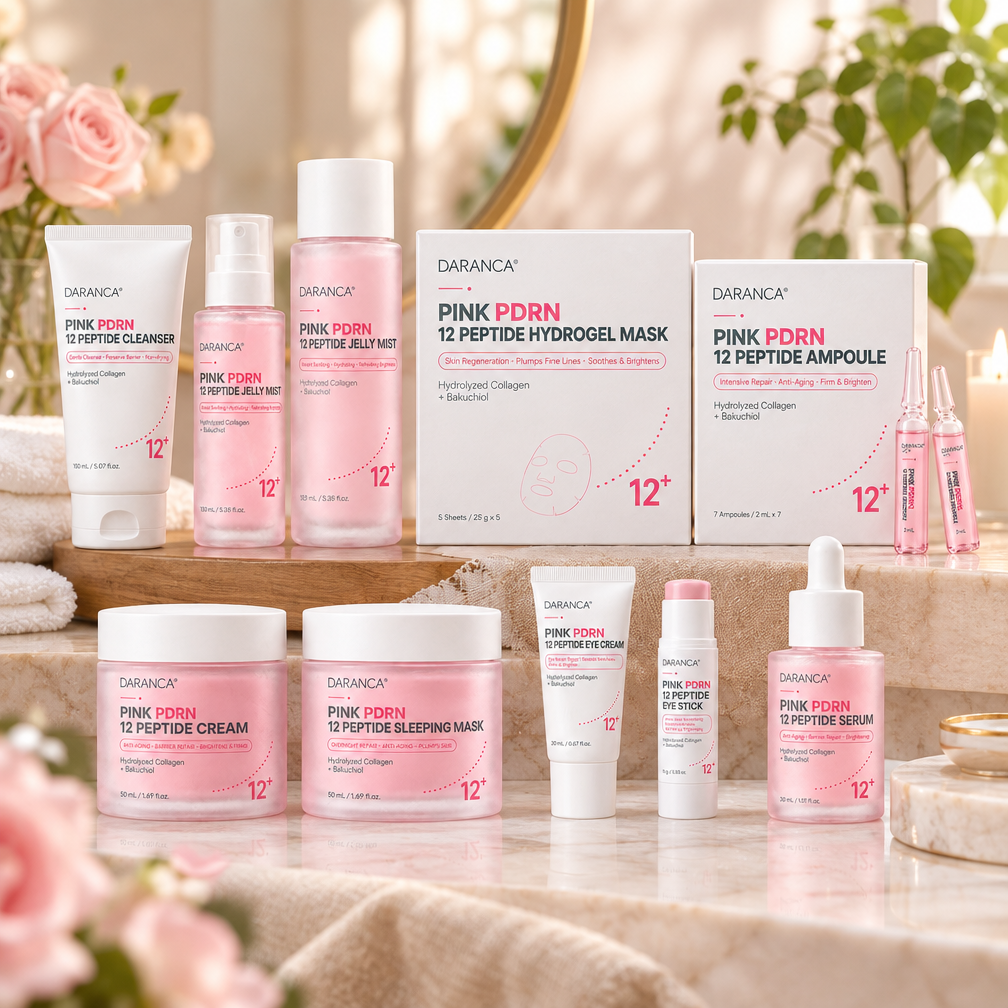
These products belong in different steps of a routine. Comparing them is useful, but treating them as substitutes creates confusion.
| Feature | Hydrating facial cleanser | Lightweight face moisturizer |
|---|---|---|
| Main purpose | Remove oil, dirt, and surface residue | Help maintain hydration and reduce dryness |
| Application | Massage onto wet skin, then rinse | Apply after cleansing and leave on |
| Desired after-feel | Clean and comfortable, not tight | Comfortable and hydrated, not excessively greasy |
| Typical format | Gentle gel, lotion, or cream cleanser | Lotion, gel-cream, or light cream |
| Important limitation | Does not replace leave-on moisturization | Does not remove accumulated residue |
| Teen-friendly priority | Effective cleansing without unnecessary irritation | Appropriate hydration with an acceptable skin feel |
A cleanser labeled "hydrating" still washes off. A moisturizer labeled "lightweight" still remains on the skin.
That rinse-off versus leave-on distinction explains why a simple routine may need both.
Hormonal changes during adolescence can increase oil production. Some teenagers develop shine, blackheads, or inflammatory acne. Others experience dry patches or irritation, particularly when using acne treatments.
These concerns can overlap. A shiny forehead does not automatically mean that every part of the face needs the same product texture.
The mistake is responding to every change with another active ingredient.
A simplified routine makes it easier to:
- Follow the same steps consistently.
- Recognize which product causes discomfort.
- Avoid unnecessary overlap between treatments.
- Keep spending focused on useful essentials.
Simple skincare is not a promise of perfect skin. It is a manageable foundation that can be adjusted when a specific concern needs treatment.
Simplifying does not mean removing sunscreen, scrubbing harder, or expecting a cosmetic cleanser to treat persistent acne.
It also does not mean every teenager must use identical products. Comfort, skin condition, climate, and prescribed treatments can all affect the routine.
A suitable cleanser should remove daily buildup without making washing feel like a stripping treatment.
Look for a gentle, non-abrasive formula. Fragrance-free options are a sensible starting point, especially when sensitivity is a concern.
Useful questions include:
- Does the skin feel comfortable after washing?
- Is there noticeable tightness, burning, or persistent redness?
- Does the cleanser rinse away easily?
- Can the teenager use it consistently without discomfort?
Foam level alone is not a reliable purchasing shortcut. A generous lather does not automatically mean better cleansing, and a creamy texture does not automatically guarantee gentleness.
The complete formulation and the individual response matter more than one marketing word.
Apply cleanser with fingertips and lukewarm water. Rinse thoroughly, then pat dry rather than rubbing.
Avoid turning cleansing into an exfoliation session with harsh scrubs or aggressive brushes.
General teen skincare guidance commonly recommends cleansing morning and evening. However, persistent dryness or irritation is a reason to reassess the product and seek individualized advice—not to wash more vigorously.
A moisturizer should make a routine easier to maintain, not feel like an unwanted layer.
For teenagers concerned about shine, a light lotion or gel-cream may feel more acceptable than a rich cream. For dry or sensitive skin, a richer texture may be more comfortable.
The best lightweight moisturizer for teen skin is therefore not necessarily the thinnest product available. It is the texture that provides sufficient comfort and is pleasant enough to use regularly.
For acne-prone skin, look for descriptions such as:
- Non-comedogenic.
- Oil-free.
- Won't clog pores.
These labels can guide selection, but they do not guarantee that a product will suit every person.
"Lightweight," "hydrating," and "sensitive-skin friendly" also need context. They describe intended characteristics; they are not substitutes for product-specific evidence.
Apply moisturizer while the skin is still slightly damp.
Use enough to spread a comfortable layer, following the product directions. Adjust the amount if the finish feels excessive or the skin remains dry.
If acne medication has been prescribed, follow the clinician's instructions about application order.
A practical routine should be easy to remember before school and realistic to repeat at night.
1. Cleanse gently, according to skin needs and professional advice.
2. Apply a suitable moisturizer if needed for comfort.
3. Use a broad-spectrum, water-resistant sunscreen with SPF 30 or higher.
An appropriately labeled moisturizer with broad-spectrum SPF 30 or higher may combine hydration and sun protection. It still needs to be applied adequately and reapplied according to its directions.
If a sunscreen already provides sufficient moisturization, a separate morning moisturizer may not be necessary.
1. Gently remove the day's surface residue.
2. Apply prescribed treatment as directed, if applicable.
3. Apply a suitable moisturizer.
A teen who wears makeup or water-resistant sunscreen may need a removal approach appropriate to those products. However, a two-cleanser routine should not become an automatic requirement for everyone.
Start by identifying what is missing or causing discomfort.
| Current situation | Practical priority |
|---|---|
| No suitable way to wash away daily residue | Choose a gentle cleanser |
| Existing cleanser is comfortable, but skin feels dry | Add a suitable moisturizer |
| Skin feels tight after every wash | Reassess the cleanser rather than only adding richer layers |
| Current routine is comfortable and consistent | Avoid buying another product without a clear purpose |
| No daily sun protection | Include sunscreen in the essentials budget |
| Painful, persistent, or scarring acne | Seek medical assessment rather than relying on cosmetic shopping |
The goal is not to declare one category the winner. It is to avoid buying a second product that performs a job already covered while leaving another essential need unmet.
A simple observation period can help identify usability problems. It is not a clinical trial or a deadline for acne improvement.
Notice whether cleansing causes tightness or whether moisturizer produces persistent stinging.
Stop using a product that causes significant irritation. Seek medical advice for severe reactions.
Ask whether the texture works under sunscreen and whether the steps fit a school-day schedule.
A product can sound excellent on paper yet be too unpleasant for consistent use.
Record dryness, redness, comfort, and willingness to continue.
Avoid adding multiple new products at once when possible. Otherwise, identifying the source of a problem becomes harder.
Do not judge an acne treatment's effectiveness by this short observation window; treatment timelines require separate guidance.
For brands working with iHot Cosmetics, a teen skincare concept should define how the cleanser and moisturizer function together.
A useful development brief includes:
- Intended user group and skin concerns.
- Desired cleansing feel and moisturizer finish.
- Fragrance preferences and sensitivity considerations.
- Packaging that supports clear, controlled use.
- Compatibility with the intended routine.
- Target-market regulatory and labeling requirements.
A strong brief might specify a gentle daily cleanser paired with a lightweight, fragrance-free moisturizer. That is a development direction—not proof of suitability or a finished-product claim.
Depending on the formula, market, and claims, brands should plan appropriate safety evaluation, stability work, microbiological assessment, preservative efficacy testing, and packaging compatibility checks.
Claims such as "non-comedogenic," "dermatologist tested," or "24-hour hydration" require relevant substantiation. They should not be inferred from the ingredient list or manufacturing credentials.
GMP and ISO credentials can support confidence in the manufacturing framework. They do not, by themselves, establish that a finished product treats acne or suits every teenager.
Not necessarily. A hydrating cleanser aims to cleanse comfortably, but it rinses off. A moisturizer stays on and helps maintain hydration. Whether a separate moisturizer is needed depends on skin comfort and the rest of the routine.
Many benefit from one, particularly when cleansing or acne treatments cause dryness. A lightweight, non-comedogenic option may be easier to tolerate. Some may find that a moisturizing sunscreen covers their morning needs.
Sometimes, but not always. Persistent dryness may call for a richer formula or a review of cleansing habits. Ongoing irritation, cracking, or suspected eczema deserves professional advice.
No. Exfoliation is not an essential step in a basic routine. Teens using acne treatments should be especially cautious about adding more potentially irritating products without guidance.
They support basic skincare but are not automatically acne treatments. Persistent, painful, or scarring acne may require evidence-based medication and professional assessment.
Seek help for deep or painful spots, scarring, persistent irritation, or acne that causes emotional distress. A routine should support well-being, not become a source of anxiety.
For teenagers, choose products by function and comfort rather than the number of steps.
For brands, build the same clarity into the product brief.
Contact iHot Cosmetics to discuss a coordinated OEM/ODM cleanser-and-moisturizer concept. Share your target market, intended users, preferred textures, packaging requirements, and proposed claims so the development discussion can begin with practical, reviewable goals.
1. American Academy of Dermatology Association. "A dermatologist's guide to skincare from growing up to glowing up." Supports a simple teen routine built around gentle cleansing, fragrance-free moisturizer, and broad-spectrum SPF 30+ sun protection. [aad]
2. American Academy of Pediatrics, HealthyChildren.org. "Viral Skin Care Trends for Tweens and Teens & What Young Skin Really Needs." Supports gentle cleansing, lightweight non-comedogenic moisturization, and daily sunscreen rather than trend-driven routines. [healthychildren]
3. American Academy of Dermatology Association. "Moisturizer: Why you may need it if you have acne." Supports moisturizer selection for acne-prone skin and application after washing while skin remains damp. [aad]
4. American Academy of Dermatology Association. "How to control oily skin." Supports gentle cleansing, appropriate moisturization, non-comedogenic product selection, and sun protection for oily skin. [aad]
5. American Academy of Pediatrics, HealthyChildren.org. "Teen Acne: How to Treat & Prevent This Common Skin Condition." Supports gentle washing and avoiding harsh or gritty scrubs. [healthychildren]
6. American Academy of Dermatology Association. "How to pick the right moisturizer for your skin." Supports choosing moisturizer texture according to skin needs and recognizing that some oily-skin users may prefer a gel or may not need a separate moisturizer. [aad]
7. iHot Cosmetics / Guangzhou Aihuo Biotechnology Co., Ltd. Company information supplied for this article. Source of the manufacturing history, facility size, production-line count, cleanroom classification, certification statements, and brand-service figures. No company source page or certification documents were supplied for independent verification.
Hot Tags: China, Global, OEM, private label, manufacturers, factory, suppliers, manufacturing company


